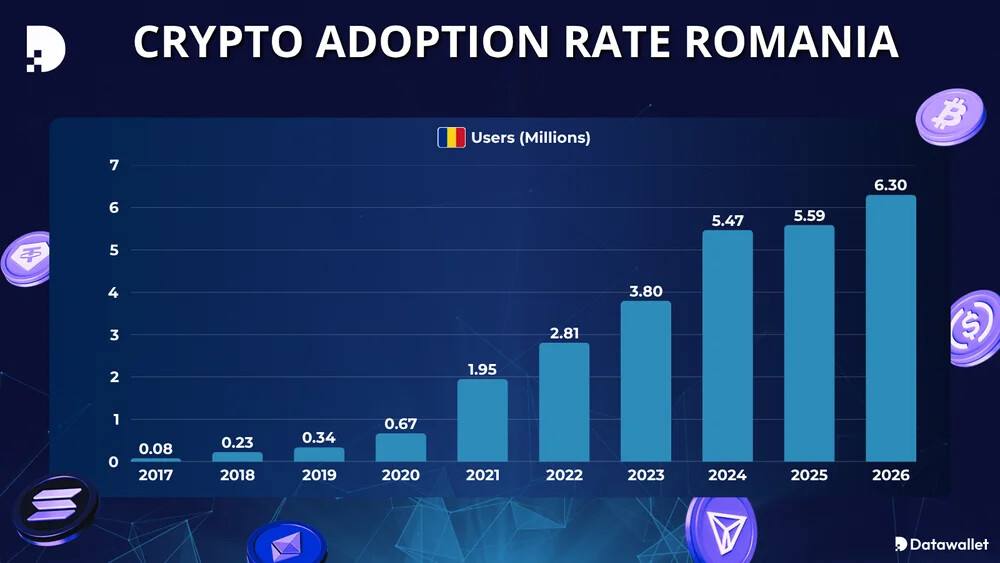
In 2025, the number of people using digital assets via blockchain has exploded, to a whopping 5 million users. Consequently, many of them have never had to file returns on crypto taxes before. Then there is a fair number of foreigners who reside in Romania, in part due to their extremely favorable regulations on virtual cash. So soon enough, they start wondering, “Do I have to pay tax for trading cryptocurrencies? And when and how am I going to be charged on everything I made?”
Interestingly, there are many business pursuits popping up all the time and capturing the fascination of existing and soon-to-be owners of virtual cash, and the Romanian ANAF is way behind coming up with official stances on these and voicing them. They state that they have made their general philosophy known, so it is up to people to correctly interpret it.
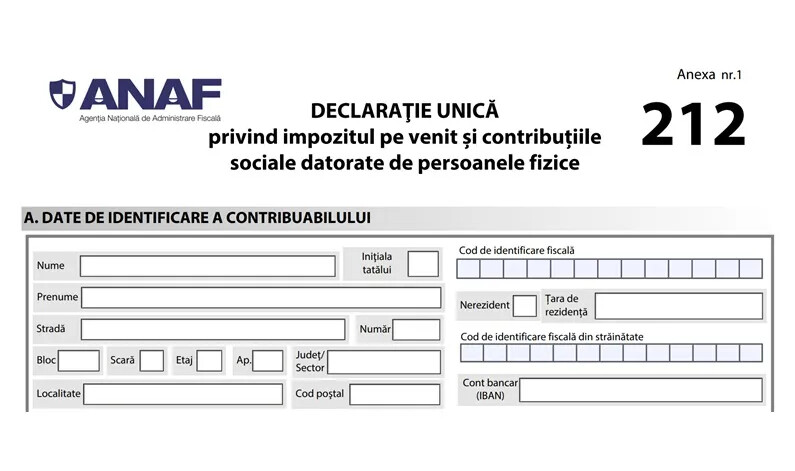
First things first – let’s take a look at how digital assets are actually reported, using the Form 212.
Before You File Your Crypto Tax Return
When it comes to reporting crypto on Form 212, documentation is not just helpful—it is your primary line of defense. In Romania, ANAF operates on a burden-of-proof system, meaning it is your responsibility to justify every number you declare. Even if a transaction is not immediately charged, it can still affect future calculations, cost basis, loss offsets, or the classification of income versus capital gains. Missing records often lead to incorrect reporting, overpaying, or difficulties during an audit.
All documents that show how, when, and why digital assets moved in or out of your control should be preserved. This includes:
- exchange trade histories
- wallet transaction logs
- deposit and withdrawal confirmations
- staking or lending reward statements
- bank statements
Bank records linking fiat on-ramps and off-ramps to blockchain activity are especially important, as they allow ANAF to trace the origin of funds and verify declared values in lei. Even internal transfers between your own wallets should be documented, as they help prove that no relevant disposal occurred.
Old purchase confirmations from years ago establish the cost basis for coins you may only sell today. Failed transactions, refunded trades, platform migrations, and exchange account closures can all create gaps that raise questions later. Screenshots or exported CSV files should be saved in case platforms change, restrict access, or shut down entirely. For DeFi activity, on-chain transaction hashes, protocol dashboards, and reward breakdowns are often the only evidence available.
Filing Your Taxes on Crypto
Like most nations, Romania’s general income and crypto tax are reported for the entire previous calendar year, and the deadline is May 25th of the year after. You can download Form 212 and turn it in at an ANAF office in person, or you can log into the ANAF portal and submit it electronically. The form used is the Form 212, the Declarația Unică, which covers everyone’s returns requirements.
Minimum Threshold
You don’t have to pay tax on individual gains under 200 RON per transaction, provided your total annual gains don’t exceed the 600 RON allowance. Filing is still often worth doing even when no charges are ultimately due after offsetting losses — if you continue trading in Romania, later you will be glad you did.
Residency
In order to owe the ANAF, you must be considered a resident. To that end, you must meet at least one of the following:
- have spent 183 days in the year in question in Romania
- have your main economic and social interests in Romania
The latter is termed your vital center of interests. This has to do with where your spouse and children live, as well as where they go to school and work. Your investment ties and banking are also big factors, as well as whether your business operates in Romania.
What ANAF Cryptocurrency Tax You’ll Pay
If you earn crypto as income, such as through mining, staking rewards, yield farming, lending interest, or other DeFi-related activities, the value of the coins is taxed at 10%. The crypto tax amount is the fair market value of the digital assets in lei on the day you receive it. This obligation arises immediately upon receipt, even if you continue to hold the assets and do not sell them right away.
For the first 7 months of 2025, up until July 31, gains realized by individuals from digital assets were declared exempt from debt to ANAF under a temporary amendment to the Fiscal Code adopted alongside the approval of OUG 107/2024. There are also thresholds and reliefs to keep in mind. Individual transactions resulting in gains under 200 RON do not need to be reported, provided your total annual blockchain earnings remain below 600 RON. If your overall earnings from blockchain and other alternative sources exceed 6 times the gross national minimum wage, you may also owe the health insurance contribution (CASS), charged at 10% of a capped base of 6, 12, or 24 minimum wages, depending on your income level.
Capital Gains Tax
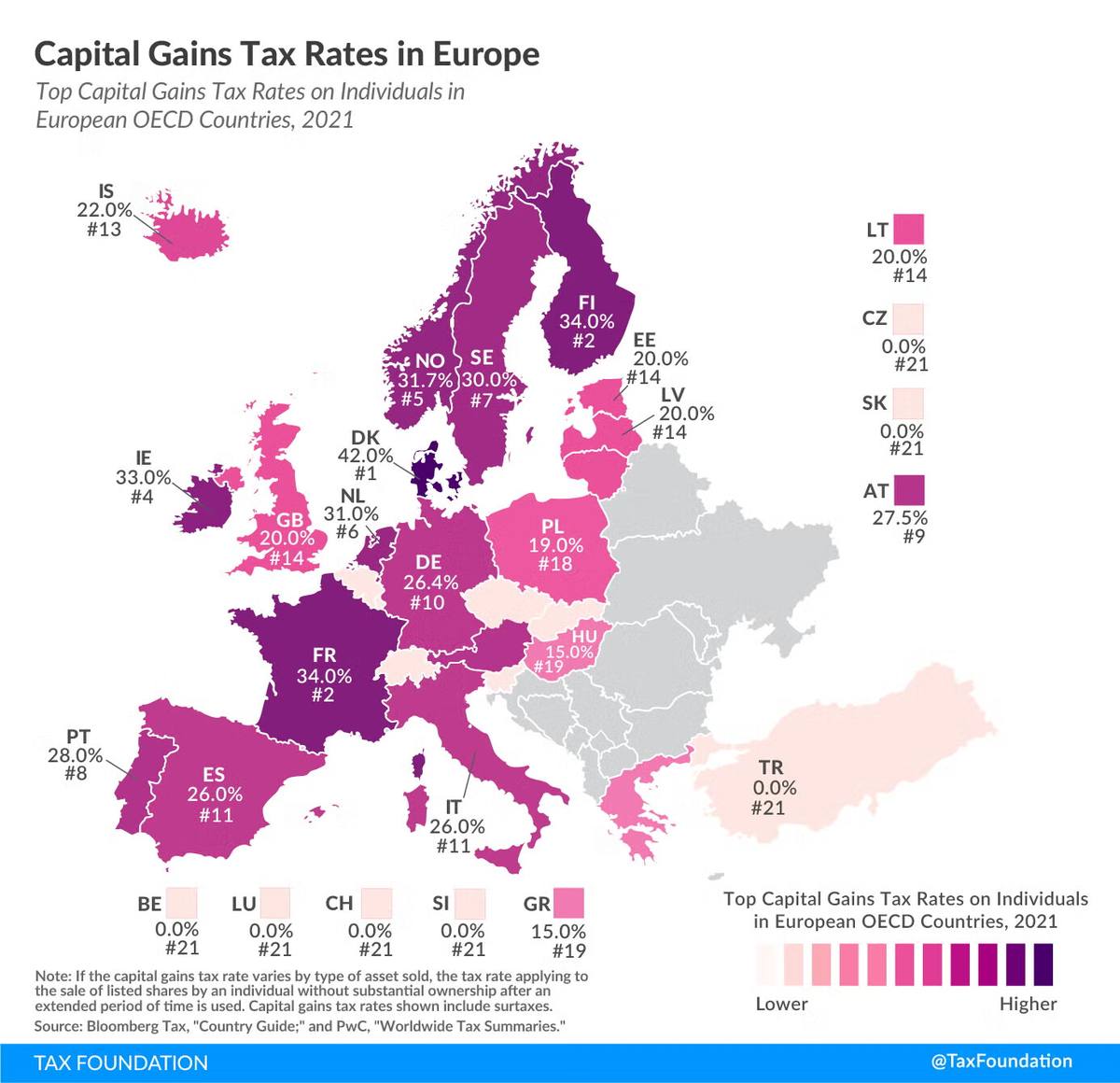
This rate used to also be 10%; however, since January 1, 2026, this rate has been raised to 16% (Law 141/2025). There is an array of cases in which this does and does not apply. You’ll need to familiarize yourself with them.
Crowdlending and Crypto Taxes
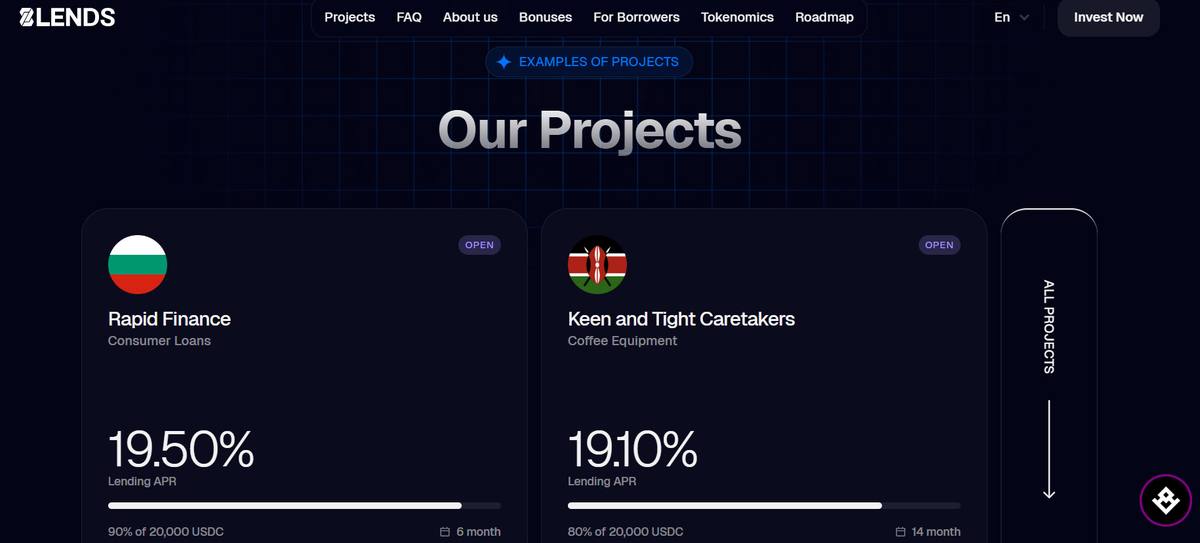
For Romanian crypto investors, crowdlending has emerged as one of the most attractive ways to generate income without constantly trading volatile coins. Unlike traditional trading, which depends on market swings, crowdlending allows you to lend your digital assets to borrowers through peer-to-peer networks or DeFi platforms, earning interest or fees in return.
One platform that stands out in Romania is 8lends. Loans on the platform are backed by real-world collateral, with every borrower assessed against 40+ due diligence criteria by Maclear AG and rated on an AAA–D scale. This reduces risk for lenders while keeping returns transparent. By primarily using stablecoins, 8lends helps keep the value of your interest payments consistent and disposal gains on the coins themselves minimal, making both your earnings and your reporting much simpler.
Making Deductions on Crypto Taxes
Of course, in some crypto tax returns, you’re going to report that you ended up losing overall for that period. The good news: where your activity qualifies as a registered independent activity, annual losses can be carried forward and used to reduce what you owe on coins that appreciated in value, for up to 7 years of returns if you haven’t fully used those losses yet for offsetting gains. For gains declared as personal “income from other sources,” the treatment of losses is narrower — confirm your specific situation with ANAF or a tax adviser.
When you earn actively, whether through mining, staking, yield farming, crowdlending, or other DeFi-related activities, the value of the coins at the moment you receive them is charged 10%. However, if these activities are part of a business or professional activity, you can deduct ordinary and necessary expenses directly related to generating that income before calculating your applicable base.
Examples of deductible business expenses include:
- Electricity and energy costs for running mining rigs or staking nodes
- Internet fees
- Hardware costs such as computers, GPUs, ASICs, or servers
- Software subscriptions like trading bots
- Professional services like accounting or legal services
- Maintenance and repair costs for mining
Making Deductions on Crypto Taxes
Of course, in some crypto tax returns, you’re going to report that you ended up losing overall for that period. The good news: where your activity qualifies as a registered independent activity, annual losses can be carried forward and used to reduce what you owe on coins that appreciated in value, for up to 7 years of returns if you haven’t fully used those losses yet for offsetting gains. For gains declared as personal “income from other sources,” the treatment of losses is narrower — confirm your specific situation with ANAF or a tax adviser.
When you earn actively, whether through mining, staking, yield farming, crowdlending, or other DeFi-related activities, the value of the coins at the moment you receive them is charged 10%. However, if these activities are part of a business or professional activity, you can deduct ordinary and necessary expenses directly related to generating that income before calculating your applicable base.
Examples of deductible business expenses include:
- Electricity and energy costs for running mining rigs or staking nodes
- Internet fees
- Hardware costs such as computers, GPUs, ASICs, or servers
- Software subscriptions like trading bots
- Professional services like accounting or legal services
- Maintenance and repair costs for mining
Common Mistakes on the ANAF Cryptocurrency Return
As complicated and full of exceptions as taxes and crypto are, traders are bound to commit errors somewhere. Watch out for these:
- Forgetting to report income from all sources – Many investors focus only on mining or trading profits, but income from staking, DeFi rewards, crowdlending interest, and airdrops also counts.
- Not filing on years without gains – File returns even with no profits, since recorded losses may be used to offset future gains where the rules allow.
- Miscalculating fair market value – Always record the market value of each coin or token on the day you receive it, using a reputable exchange or price aggregator.
- Ignoring small transactions – Some payers assume small rewards or payments don’t need to be reported. They do, and they add up.
- Overlooking deductible expenses – For blockchain operation, like exchange fees, network fees, or costs directly tied to the process.
- Confusing income with capital gains – Many investors assume all profits are capital gains. In reality, income from mining, staking, lending interest, or DeFi rewards is charged immediately at 10% PIT, and then another 16% applies if the coins grow in value and you subsequently sell them (rate in force from 2026).
- Poor record-keeping – Without complete documentation, including wallet statements, exchange histories, transaction logs, and proof of fees or lending activity, an audit becomes far harder to pass.
Conclusion
The key takeaways are clear: maintain thorough records, understand the difference between income and capital gains, track fair market values in RON, and take advantage of allowable deductions to reduce your applicable debt. By keeping detailed documentation of every transaction, reward, or lending activity, you not only ensure compliance with ANAF but also make future filings and audits far easier.
For those who are looking to achieve more stable reporting outcomes with ANAF and broaden their portfolios as well, 8lends offers collateral-backed loans with stablecoin payouts, with every borrower assessed against 40+ due diligence criteria and rated AAA–D, helping Romanian investors earn up to 25% APR while simplifying reporting. Capital is at risk, and returns depend on borrower performance.
For the full picture of Romanian rates and disposals, see our guide to how Romania taxes crypto in 2026, and for the broader European context, how P2P and crypto crowdlending income is taxed in Europe. Before committing funds to any platform, review whether P2P lending is safe and how collateral protects you first.
About 8lends
8lends is a crypto crowdlending platform where investors fund vetted, collateral-backed SME loans in USDC, with every investment, interest payment, and principal return recorded on the Base blockchain. Borrowers pass 40+ due diligence criteria assessed by Maclear AG and are rated on an AAA–D scale, with selected projects covered by BuyBack protection returning 100% of principal if a borrower delays beyond 60 days. Maclear AG operates as a financial intermediary in the non-banking sector and is a member of PolyReg SRO, under Swiss financial regulations including AML, KYC, and GDPR.