Preparing Tax and Crypto Information
No need to overpay, because Dutch levies aren’t cheap by world standards. The Supreme Court decided that you can pay on factual crypto tax gains for 2025 if you can prove it – so prove it. Make sure you have software installed to keep track of all the timestamps for every acquisition of all your holdings made from January first (the line when your assets are counted for each year) of the past year up to January 1st this year.
Keep everything precise and get them ready ahead of time.
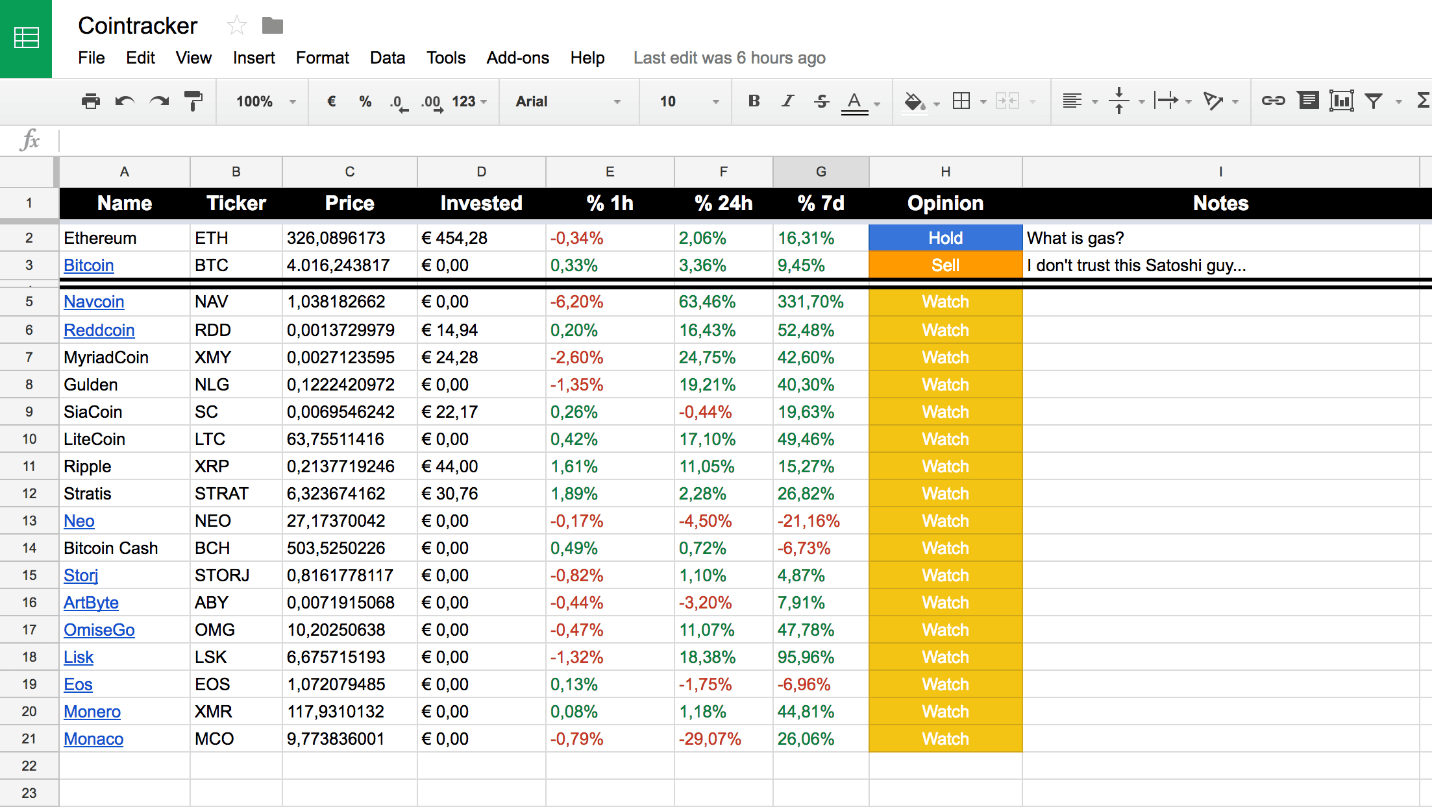
- Make a List of All Crypto Holdings: Take every type of virtual asset you own, as well as normal securities, whether they’re stored on an exchange, hardware wallet, or a software wallet.
Make sure not to forget:- smaller holdings
- tokens received from airdrops
- software wallets
- staking rewards
- stablecoins
- Sum up their value as of January 1 of the year you’re submitting in. They must be stated in euros. You can use the rates provided by Bitstamp, Binance, Kraken, or another site. Write down what you based those rates on.
- Keep a clear record for every wallet or exchange where you stash crypto. Download account statements and transaction histories with the dates posted on them.
- Organize all of that on a spreadsheet or document.
- Add columns for the location held, amount, and value.
Did you exchange crypto for euros in the year in question? Did you trade crypto for other crypto and didn’t make a profit? Did you make purchases using your crypto or buy digital assets? If so, none of that matters if your income didn’t rack up the minimum assets value of 57,000 euros in order to pay taxes and you’re not a professional. Because Netherlands uses a 57,000-euro deductible that will get you out of paying wealth tax.
Filling Out the Crypto Declaration
Most people file their tax on crypto in 2025 online on the Mijn Belastingdienst. So you’re going to need to sign up and get your DigiD. The deadline is May 1st of each year.
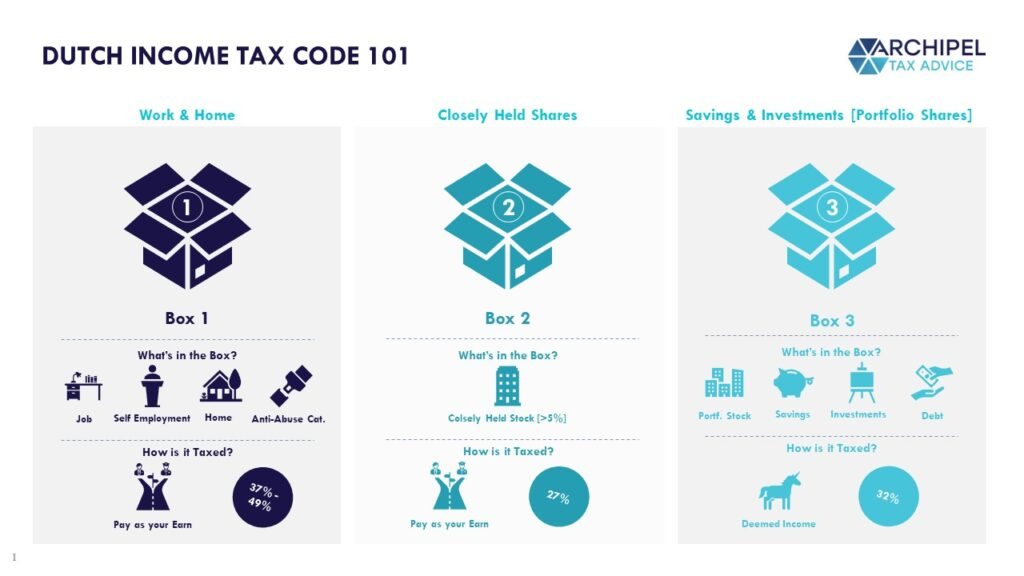
Box 1
First, start out by completing Box 1, which is your income that you made at work or at home:
- wages
- freelance income
- benefits
- primary residence value
In this area, you’re taxed based on your income level. From zero to 38,441, you pay 35.82%. From 38,441 to 76,87, you fork over 37.48%. And if you make more than that, it’s 49.50%.
Box 2
This is substantial interest that probably won’t apply to you except if you hold at least 5% of the shares in a company.
Box 3: Vermogen, a.k.a. Savings and Investments
Crypto reporting’s going mostly here, but don’t rush through it you’ll miss the deductions. Be sure to include:
- money stashed in savings accounts
- investment portfolios
- stocks
- dividends
Box 3 contains an “other assets”, or “Overige Bezittingen” section, including crypto information. That includes the type of asset in terms of the specific coins, the quantity of them you held on January 1, and their worth in euros. There’s a good likelihood that some of the same coins you hold in multiple wallets or platforms, like Bitcoin.
Deductible Debts
Given any loans or mortgages connected to assets, put them here to subtract from the tax you’ll owe. Then double-check that you entered everything right.
If you’re looking to put your savings or crypto gains to work beyond just holding them, consider exploring 8lends, a Swiss crowdlending platform that lets you invest in curated loans and earn passive interest backed by collateral with lucrative interest rates. Crowdlending can diversify your portfolio. Choose projects that match your risk appetite while enjoying a streamlined platform built for both beginners and experienced investors. Meanwhile, projects get to get off the ground that never would’ve had a chance with traditional banks.
Cost Basis to Calculate Tax on Crypto
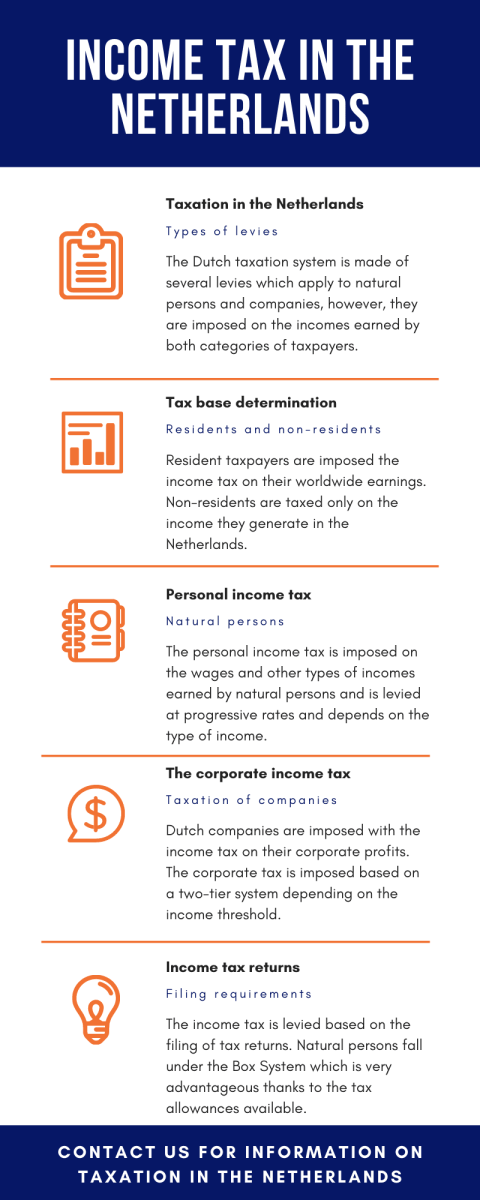
Now take a look and see if your savings and assets add up to 57,000 euros, or if you’re filing your crypto declaration as a couple and you’re combined assets total no more than 114,000 euros. If not, you’re in luck, because, as a casual investor, you pay no tax on your assets, capital gains, or passive income tax. Also consider any debt and liabilities that you’re paying for and write off fees you had to pay to exchanges and the like. If you do make more, you still get to subtract that amount and the computer will generate some math to figure out what you owe off your savings and assets.
Fictitious Returns on Assets
We’re going to want to check what your fictitious tax would be and then your actual gains in overall asset value. Fortunately, all of this is calculated by the computer, but here is how the fictitious calculations will go.
- Savings: multiple by 0.92%
- Assets, including crypto: multiply by 6.17%
- Debts: multiply by 2.46%
Now suppose that on January 1, 2025, you had 50,000 euros in your bank account and own 30,000 in crypto. Suppose that’s a mix of Bitcoin and Ethereum. You also owned 20,000 in stocks and were paying off a 10,000 loan in student debt.
Taxable Return Calculation:
- Cash: €50,000 × 0.92% = €460
- Crypto + other investments: €50,000 (€30k crypto + €20k stocks) × 6.17% = €3,085
- Deductible debt: Subtract threshold €3,700: €10,000 – €3,700 = €6,300. Multiply by 2.46%: €6,300 × 2.46% = €155
Taxable return = €460 + €3,085 – €155 = €3,390
Calculate Wealth
Total assets = €50,000 + €30,000 + €20,000 = €100,000
Deductible debt = €10,000 – €3,700 = €6,300
Net wealth = €100,000 – €6,300 = €93,700
Return percentage = €3,390 ÷ €93,700 ≈ 3.62%
Taxable basis = €100,000 – €6,300 – €57,000 = €36,700
Profit from Savings & Investments
Profit = Taxable basis × Return percentage
Profit = €36,700 × 3.62% ≈ €1,327
Tax Owed
Box 3 tax rate = 32%
Tax owed = €1,327 × 32% ≈ €424
Actual Gains
You can use this as long as you’ve been diligent in keeping good track of what you’ve actually gained in your assets. If this is less, you get to pay less than the fictitiously calculated figure which was ruled as an illegal method of taxation in 2021.
Suppose the following were your gains from January 1, 2024, to January 1, 2025:
2024 Assets:
Cash: €55,000
Crypto: €35,000
Stocks: €20,000
Debt: €6,000
2025 Assets:
Cash: €60,000
Crypto: €40,000
Stocks: €25,000
Debt: €5,000
Tax-free allowance: €57,000
After doing the math, you calculate the true gains to be 4,531 euros, which is more than the fictitious gains of 3,390. Therefore, your best move is to pay using the auto-generated fictitious gains.
Conclusion
Filling out your virtual asset totals in the third box of the Netherlands income tax form perhaps seems complex at first, but with careful preparation, clear records, and a solid understanding of the forms, it becomes a straightforward process. By conducting a list of the timestamps and payments you made, as well as jotting down all your financials and deductible debts, you can accurately work out that taxable base and decide whether to use the older fictitious or factual profits.
If part of your crypto income comes from lending rather than trading, the treatment changes. That distinction is covered in how P2P and crowdlending income is taxed in Europe.
- Filing Dutch Crypto Tax 2025 Online Using DigiD (Step-by-Step)
- How to Report Crypto on the Danish Annual Tax Return
Beyond compliance, it’s also worth thinking about how to make your assets work for you. If you’re looking to grow your savings or crypto gains, 8Lends offers a Swiss crowdlending platform where you can invest in curated, collateral-backed loans with attractive interest rates. Diversify your portfolio, earn passive income, and support projects that might never have seen the light of day through traditional financing.