
Tax on Crypto: Liability Breaks
In Portugal, crypto IRS obligations depend on whether your digital cash activities are considered occasional and private or regular and profit-oriented.
Average Joes
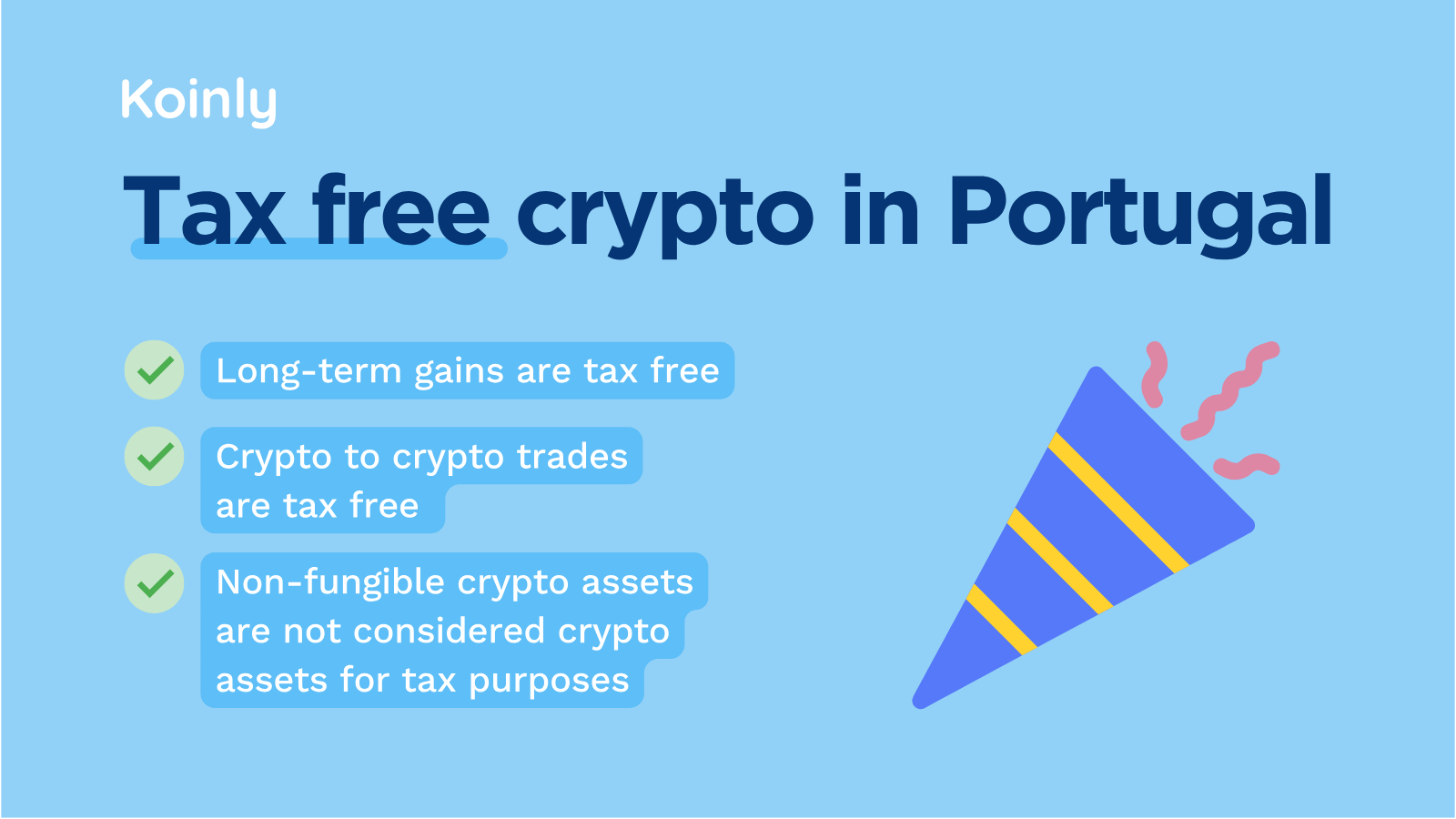
If you are investing in crypto to hold it for a long time as an asset, you likely won’t end up paying any tax on it, as the government encourages long-term holdings and steady financial markets.
Pro Traders
These are the people who make a whole lot of operations in crypto. This could either be where their primary field of business lies, or this can be one of their main ways of making money. These people do get taxed, just as anyone else gets taxed, using the same forms and figures. That said, Portugal does subtract levies substantially with a simplified regimen.
IRS Crypto Tax Regimens

For most individuals, asset appreciation under 12 months is getting hit with a 28% tax on crypto gains as a constant, while holding off for the long haul is a big zero. What is the long haul? Precisely 365 days. If you unload your virtual cash before that as a casual trader or customer, whether for goods or fiat, you pay a 28% tax. This would fall under the first category of transactions below.
Annex G
In this category, the person is not dealing with digital cash to pursue his primary income source and is not a professional. They could be selling their crypto, exchanging it, staking it, lending it, or buying something with it. If they do so within a year of having bought that asset of which they’re disposing, they’re required to pay 28%.
Annex E
Also levied at 28%, this refers to passive income, and tax is paid on it the same way as an ordinary investor pays for any form of income that comes to them without it having to be actively worked for. This includes dividends and stock.
Annex B
This is for individuals or businesses for whom crypto earning in any form is their primary means of making money or they do it in a professional, specialized fashion. The rate ranges from 14.5 to 53% whatever your income is minus your expenses, or using the standard deduction if you make under 200K euros a year. 0.15 of turnover is used from crypto asset operations, 0.95 – from crypto mining income. The corporate tax rate is 21%.
Common Crypto Tax Scenarios
Beyond the familiar buying, selling, and usage of cryptocurrencies, there is a plethora of other types of coins and situations in which digital assets are obtained. These have grown rapidly with the rise of DeFi and blockchain-based rewards. It’s crucial to understand how relevant IRS crypto treats them to stay compliant.
Staking
Here, the individual invests in a digital coin to support its stability and foster its growth, getting compensated at the end of a lock-in period. This falls under Category E and is not taxed if the investor isn’t doing it as a frequent and commercial activity and holds onto the rewards for at least a year.
NFTs
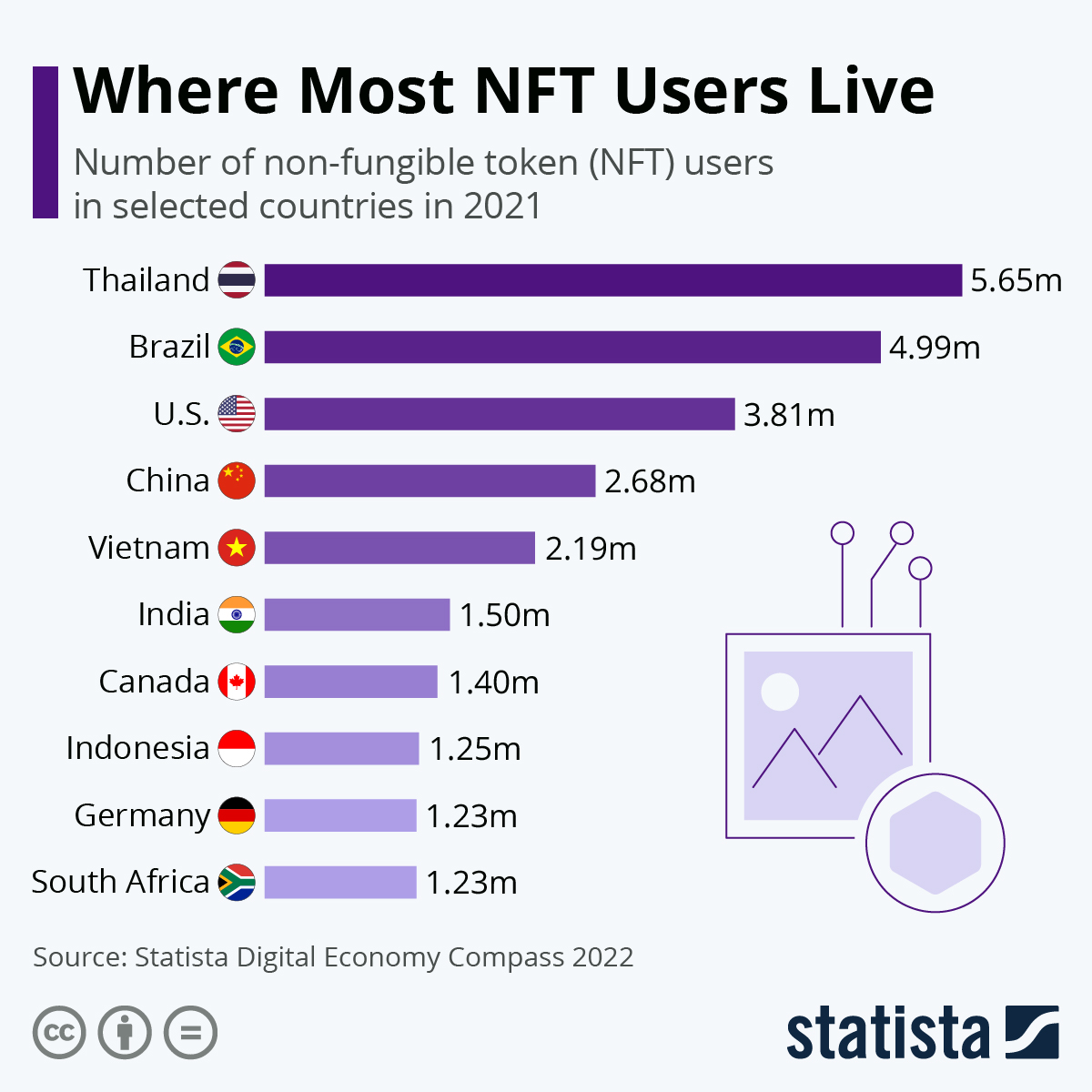
These are tax-exempt in all cases.
Receiving Crypto as Payment
Taxed the same way as if you were paid in Euros.
Airdrops and Gifts
These are treated as income valued at the euro equivalent as of that day. If done often enough or in large amounts, they could still trigger taxation if they give the appearance of a business.
Future Gains
These are taxes separately based on how long they are held before disposal.
Mining
This involves providing liquidity to decentralized exchanges for token rewards, interest, bonuses, or tokenized incentives in exchange. These are taxed under Category E.
Common Mistakes to Avoid in Handling Crypto Taxes
Friendly as this nation is to virtual money, mistakes in reporting or classifying your earnings and appreciation in assets can quickly get ugly if you’re careless about tax on crypto. We’re talking about penalties, interest, and unexpected audits. That’s true no matter who you are. Here are some common costly gaffes many newcomers commit.
Misclassifying Their Activities as Non-Commercial
It’s quite common for people to believe they’re not a professional or pursuing digital cash for commercial purposes. Yet, if they’re making frequent trades, this can trigger scrutiny. They also might think that their intensive staking and pursuit of rewards is done just to hold onto them, but the authorities can disagree. Especially if they’re converting into fiat money a lot.
Not Keeping Detailed Records
This is a big problem, because if you get audited, the burden of proof is on you, and if you can’t demonstrate what you paid, you may have to pay based on an unfavorablely determined original cost basis. You can’t ignore the euro value of crypto when you engage in crypto-related activities or forget about trading and pool fees, since you need that to deduct from your tax burden.
Forgetting to Report Crypto-to-Crypto Trades
Even if your gains are non-taxable, as they are in this case, reporting errors causes red flags and draws authorities’ attention.
Not Using Software
Passive income, like staking, airdrops, and gifts, especially if they’re forgotten, are often overlooked. You may end up spending them and forgetting about them, and the number of them can be pretty large.
Missing the Filing Deadline and Using the Wrong Forms
You have to file by June 30th and use the proper form with passive income listed on Annex E and active, non-professional income listed on Annex G.
If you’re looking to grow your capital in a way that goes beyond crypto, platforms like 8lends offer an alternative path. 8lends is a crowdlending platform that connects everyday investors with promising businesses that often struggle to secure funding through traditional banks.
All loans on the platform are backed by collateral, and the company uses a cutting-edge credit scoring model based on the practices of the world’s top three credit agencies. For investors, this opens the door to attractive, stable interest rates that can complement a broader wealth strategy, especially for those who want opportunities with predictable returns alongside their crypto activities.
Gold Visas: Easing of IRS Crypto Tax

A lot of people would love to live in Portugal due to the culture, language, and beauty it offers in addition to maintaining one of the most generous policies on crypto income tax and treatment of expats. EU residents are able to come without a visa, but after staying for three months, they have to register as a resident at a town hall or police station.
There are numerous ways to receive residency, such as being a student or a worker. But one of the most advantageous routes for many new arrivals is the Golden Visa. It’s granted in exchange for particular investments in the nation.
Benefits are:
- Residency for you and your family
- Visa-free travel across Schengen countries
- Pathway to permanent residency and citizenship after having spent five years there
- One of the best digital cash tax regimes to file in
There are several routes to qualify for a Golden Visa.
Real Estate Investment
Purchase property with a minimum value of €500K, or €350K for urban regeneration areas.
Capital Transfer
Transfer a minimum of €1.5 million to Portugal, which could be comprised of investments in stocks, bonds, or business ventures.
Job Creation
Create at least 10 new jobs in a Portuguese company (fewer if in a low-density region).
Scientific, Cultural, or Artistic Investment
Invest in research, arts, or cultural heritage projects recognized by the Portuguese government.
Unless you live in the United States, which taxes its citizens even if they live abroad, you will not owe taxes on any foreign-earned income as a resident in Portugal. And you won’t have to worry about double taxation as countries have signed agreements with Portugal to avoid that issue.
Other Crypto Tax Havens
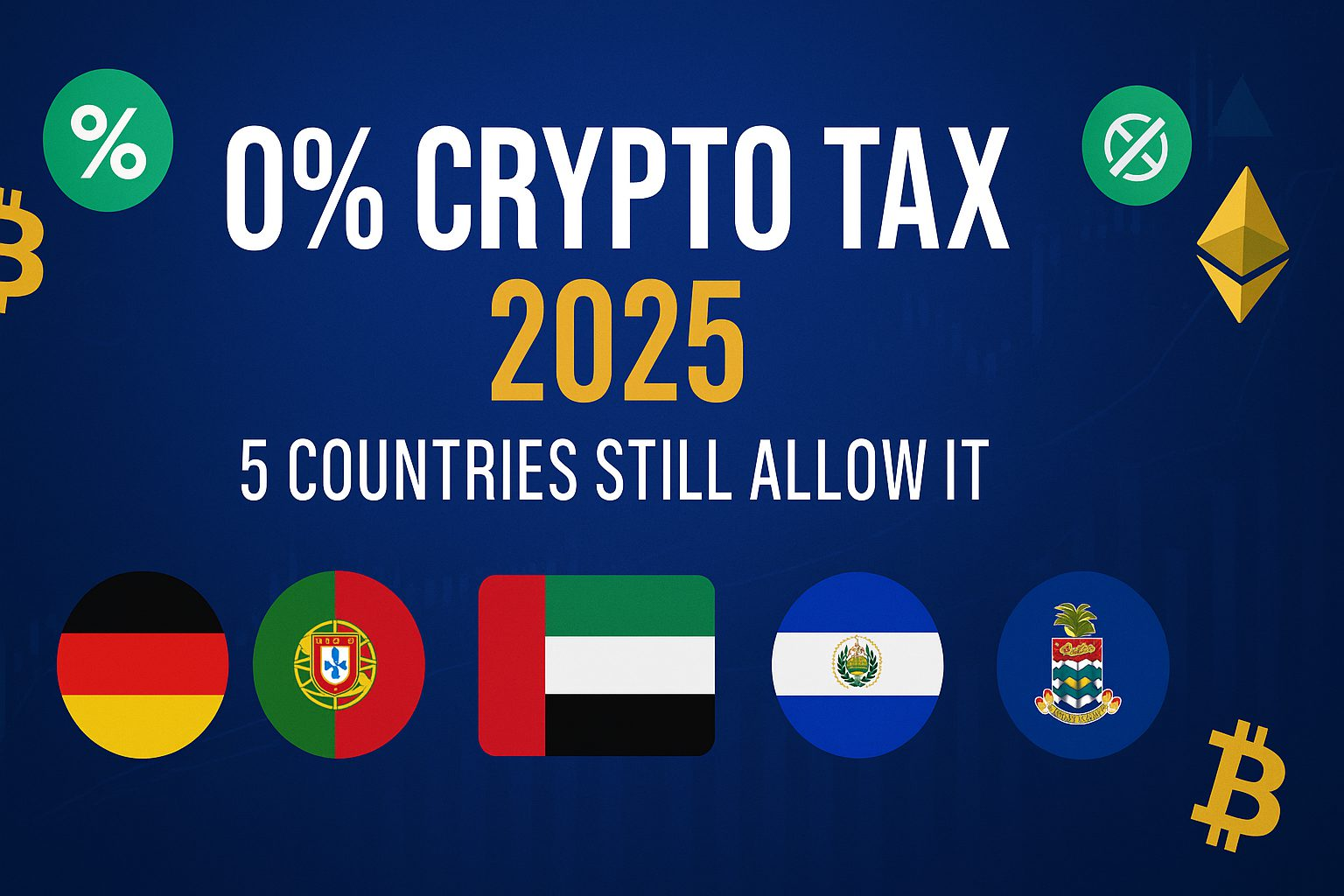
Currently, Germany offers the same HOLD 1-year period, where ordinary people don’t have to declare crypto income tax on disposals as long as they perform said transactions only in the long term. Malta is another tax haven, while Singapore, the UAE, and Bermuda do not charge any tax on capital gains for individual investors.
Conclusion
Portugal remains one of the most favorable jurisdictions in the EU for crypto investors, offering zero tax on long-term gains for casual holders, clear rules for professional traders and miners, and structured options like the Golden Visa for new residents. Whether you’re staking, trading, mining, or simply holding, understanding the 2025 tax regime is key to keeping more of your profits legally.
By staying informed, maintaining accurate records, and using the right tools, you can maximize your crypto returns while staying fully compliant with Portuguese law. Through collateral-backed loans, strong risk assessment models, and access to growing businesses, it can serve as a stable complement to more volatile crypto investments.
Platform interest is usually taxed as income, not as a capital gain — including for Portugal residents. The full European overview is in how P2P and crowdlending income is taxed in Europe.
- How MiCA and EU Crypto Laws Affect Portugal’s Tax Rules
- Crypto Tax Loopholes Portugal Has Closed and That Still Exist in 2026
If you’re ready to diversify your portfolio and support high-potential companies while earning attractive interest rates, explore what 8lends has to offer. It’s a smarter, safer way to grow your capital alongside your crypto strategy.