Kripto Vergisi Ödemeniz Gerektiğinde
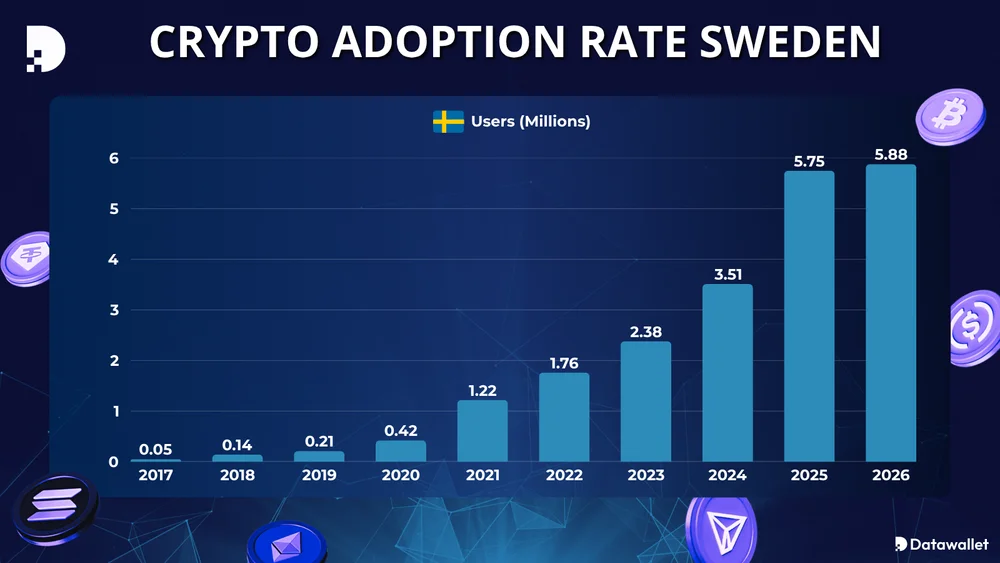
Skatteverket kripto görüşleri, sanal paraların gerçek, gerçek para olduğunu, sadece sahip olduğunuz bir şey olduğunu savunuyor. Dolayısıyla, neredeyse her kriptoyu boşaltdığınızda, bu nedenle vergilendirilebilir bir olay oluşturur. Sıradan insanlar kriptoyu “dijital para” olarak düşünseler de, Skatteverket onu daha çok mülk gibi davranır ve emlak satışlarının her zaman vergi etkileri vardır.
Vergiler dijital olarak 2 Mayıs'ta veya basılı olarak dosyalamayı seçerseniz Mart ayında ödenmelidir.
Kripto Bildirmeye Yardım Edin
Aşağıda listelenen her şey beyan edilmelidir ve kripto vergisi gerektirir:
- Sanal paraları fiat ile değiştirirseniz, bu bir kazanç oluşturur
- Değiştirilen kriptolar: Skatteverket'in gözünde bir satış. Bir varlığı elden çıkardınız ve bir başkasını satın aldınız.
- Kripto para kullanarak bir şeyler satın almak: ister kahve ister dizüstü bilgisayar olsun, herhangi bir şey
- Eylemlerinizle kazanılan kripto: ayrıca sermaye işlemlerinizden farklı olarak beyan edilmeli ve raporlanmalıdır.
Vergisiz
Mali ofis HODLing'i teşvik eder ve bu nedenle sadece satın almak veya saklamak, satış yapana kadar (eğer kâr ettiyseniz) vergi gerektirmez. Bu aynı zamanda, birisine hediye olarak kripto gönderdiyseniz, hiçbir koşul olmadan saf fedakarlıktan, bunun sizin veya onlar için vergiye tabi olmadığı anlamına gelir. Airdrop ve yeni jetonlar almak da hediye olarak kabul edilir ve satılana kadar bunları aldığınız için hiçbir borcunuz yoktur.
Kesintiler
Aynısı hayır kurumları için de geçerlidir; ancak, bu tür bağışları talep etmek söz konusu olduğunda, bu hayır kurumunun devlet tarafından onaylanması gerekir ve her bağış en az 200 SEK olmalıdır ve yıl için toplam 2.000 SEK bağışlamış olmanız gerekir.
Vergi yükünüzü azaltmak için kullanılan genel kesintilere gelince, bunu yapabilirsiniz, ancak bunların sadece% 70'ine kadardır. Kriptonuz kaybolursa veya çalınırsa, ne yazık ki bunların hiçbiri borcunuzu vergi kazançlarından azaltmak için kredi olarak kullanılamaz. Özellikle, DeFi kredilerinden elde edilen faiz sermaye kazancı olarak kabul edilir ve bölüm 7.2'de aynı% 30 oranında vergilendirilir.
Kripto vergilerinizi dosyalamak uyumluluğu sağlarken, sermayenizi çalıştırmayı düşünmek için de iyi bir zamandır. 8ödünç genellikle geleneksel bankalardan fon sağlayamayan gelecek vaat eden projelere teminat destekli krediler sunar.
Her proje, önde gelen üç ajansın derin incelemesinden ve kredi puanlamasından geçer, böylece güvenle yatırım yapabilirsiniz. 8lends ile fonlarınız yenilikçi girişimleri desteklerken yüksek faiz kazanabilir ve paranızın sizin kadar akıllıca çalışmasını sağlayabilir.
K4 Formu Kripto
Kripto için K4 Formunu doldurmaya başlamadan önce yapmanız gereken ilk şey, tüm kayıtlarınızı toplamaktır.
Adım 1: Hazırlık
Evet, acılar, ama onları eklemeniz gerekiyor ve eğer Skatteverket sizi denetlemeye karar verirse, kanıtlayamazsanız, önemli olmayacak. Ayrıca, önümüzdeki yıl için AB tarafından kabul edilen yeni Piyasalar ve Kripto Varlıklar yasasıyla, herhangi bir cüzdanı veya saklamayı gizlemeye çalışmanın bir anlamı yok, çünkü sahip olduğunuz her şeye anında erişebilirler. Ayrıca, İsveç hükümeti, yalnızca İsveç merkezli değil, dünya çapında herhangi bir gelir için ödeme yapmanızı gerektirir.
Bir araya getirilecek belgeler:
- İşlem geçmişi
- Madencilik, likidite havuzları ve ICO'lar için kazanılan nakit
- Her işlem için veriler, tutarlar ve döviz kurları
- Bakiyeler
- Finansal tablolar
Adım 2: Skatteverket'in Çevrimiçi Vergi Portalına Erişin
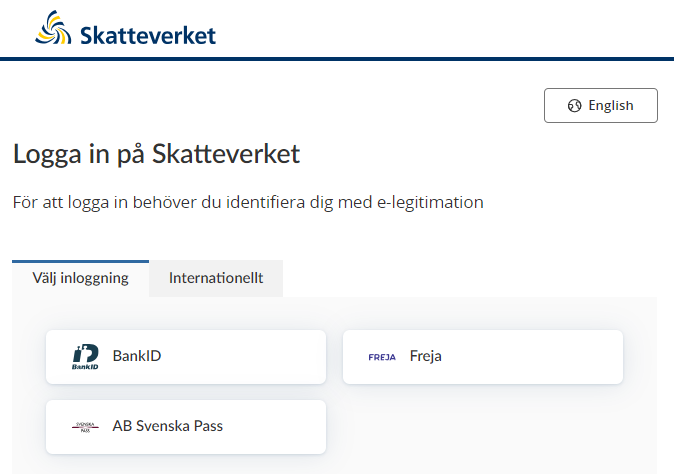
Resmi Skatteverket web sitesine gidin https://www.skatteverket.se. Sağ üst köşedeki “Oturum Aç” (Giriş Yap) seçeneğine tıklayın ve ardından aşağıdaki yöntemlerden birini kullanarak giriş yapın:
- BankID (güvenli erişim için önerilir)
- Mobil BankID
- Güvenlik kartı (varsa)
Oturum açtıktan sonra, “Geldiniz Bildirimi 1” seçeneğini seçin. Kriptolar için işletme, çalışan veya profesyonel olarak tamamlanan herhangi bir faaliyet normal gelir olarak listelenmelidir. Bu, sermaye kazançlarından farklıdır, çünkü işiniz başka bir varlık değil, işlem yaptığınız şeydir.
Adım 3: K4 Form Bölümünü Doldurun
Bu, sermaye kazanç ve zararlarını doldurmaya adanmış bölümdür. Gelir beyannamenizi girdikten sonra “Kapital” (Sermaye) bölümüne gidin. “K4 — Hisse senedi ve kripto varlıkları satışı” üzerine tıklayın. Listelemeye gideceksin:
- elden çıkardığınız her varlık türü
- Takvim yılında bu varlığa toplam ne kadar harcadınız
- satın aldığınız varlığın kaç birimi
- birimleri ne için sattın
Belgelerinizi kanıt olarak ekleyin.
Maliyet Esasları
İnsanlar orijinal olarak farklı fiyatlarla kripto varlıkları satın alır ve sonra satarlar, öyleyse satın alma fiyatının belirlenmesi gereken orijinal ödenen tutar nedir? Bazı ülkeler ilk giren ilk çıkış yöntemini ve sonuncu-son çıkış yöntemini kullanır.
İsveç hükümeti ortalama maliyeti tercih ediyor. Oldukça basit: yıl boyunca o madeni paraya harcadığınız toplam parayı alır ve kaç birim satın aldığınıza bölersiniz. Toplam kazançları hesaplamak için satış fiyatını ortalama maliyet fiyatından çıkarın.
Adım 4: Her Şeyin Doğru Olduğunu İki Kez Kontrol Edin ve Gönderin
Doğruluk için girilen tüm bilgileri dikkatlice inceleyin. Her şey doğruysa, tıklayın “Kaydet ve devam et” (Kaydet ve devam et). K4 formunuzu tam Gelir Deklarasyonunuzla birlikte gönderin 1.
Gönderim tamamlandıktan sonra Skatteverket"ten bir onay alacaksınız..
İşletme ve Çalışan Gelirleri Üzerine Kripto Vergisi
Bir kez daha, kripto para birimi karşılığında ticaret yaptığınız kripto vergisi 2025 faaliyetleri, bir T2 formu gerektiren aynı parantezler kullanılarak sadece gelir olarak değerlendirilir. Madencilik ve maaşınızı kripto olarak almak buna örnektir.
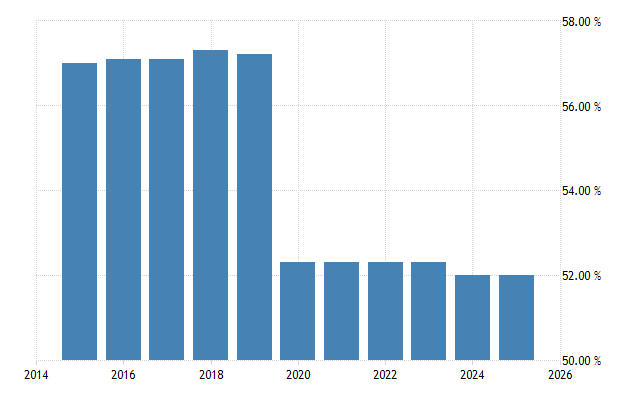
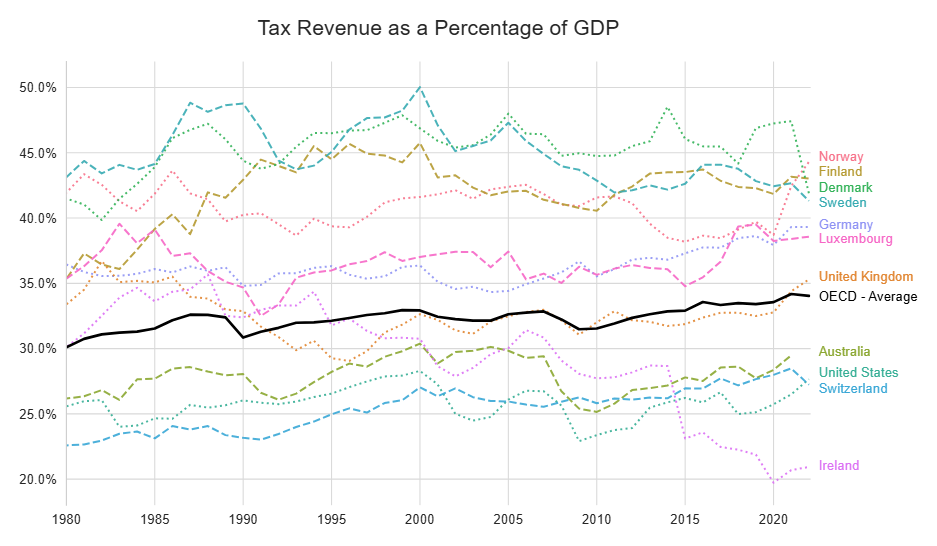
İsveç'in diğer ülkelerden öne çıktığı büyüleyici bir ayrıntı, çoğu insanın ulusal gelir vergisi ödememesidir. Aksine, genellikle ödedikleri vergi belediyeye aittir. Belediye vergileri ortalama% 32 ile %29-35'tir. Ulusal gelir vergisi ödeyen tek kişi, yılda% 20 tutarında 598.500 SEK'den fazla kazananlardır. Inkomstdeklaration 1, maaş veya ücret gibi kişisel geliriniz için ana vergi formudur. NE-Bilaga, serbest çalışan iseniz veya küçük bir işletme işletiyorsanız kullanılan bir ektir. İşletme gelirlerinizi ve giderlerinizi buradan raporlarsınız. Ancak, bir şirket oluşturursanız, ödeyebilirsiniz %20.6 kurumlar vergisi.
Stockholm'de serbest çalışan bir kripto madencisi olan Erik, 2025'te madencilikten 200.000 SEK kazanıyor. Elektrik ve ekipmanlardan 20.000 SEK işletme giderlerini düşürdükten sonra, vergilendirilebilir net geliri 180.000 SEK olur. Stockholm'ün belediye ve bölgesel vergi oranı% 30.60'lık Erik'in belediye vergisi olarak 55.080 SEK borcu var. Geliri devlet vergi eşiğinin altında olduğu için ulusal vergi borcu yoktur.
Sonuç
Kripto vergilerinizi İsveç'te dosyalamak korkutucu olmak zorunda değil. İşlem kayıtlarınızı dikkatlice düzenleyerek, hangi faaliyetlerin vergiye tabi olaylar olarak sayıldığını anlayarak ve K4 formunu ve Gelir Bildirimi 1'i doğru bir şekilde doldurarak, hataları ve cezaları en aza indirirken uyumluluğu sağlayabilirsiniz.
Vergileri doğru bir şekilde dosyalamak, kripto portföyünüzü yönetmenin bir parçasıdır - ancak sermayenizin verimli çalışmasını sağlamak başka bir şeydir. 8lends, geleneksel bankaların genellikle gözden kaçırdığı dikkatlice incelenmiş projelere yüksek faiz oranlarına sahip teminat destekli krediler sağlar. Titiz kredi puanlaması ve derin inceleme ile 8lends, yenilikçi girişimleri desteklerken paranızın büyümesine yardımcı olarak güvenle yatırım yapmanıza olanak tanır.