
When Crypto Declarations Are Tax Exempt
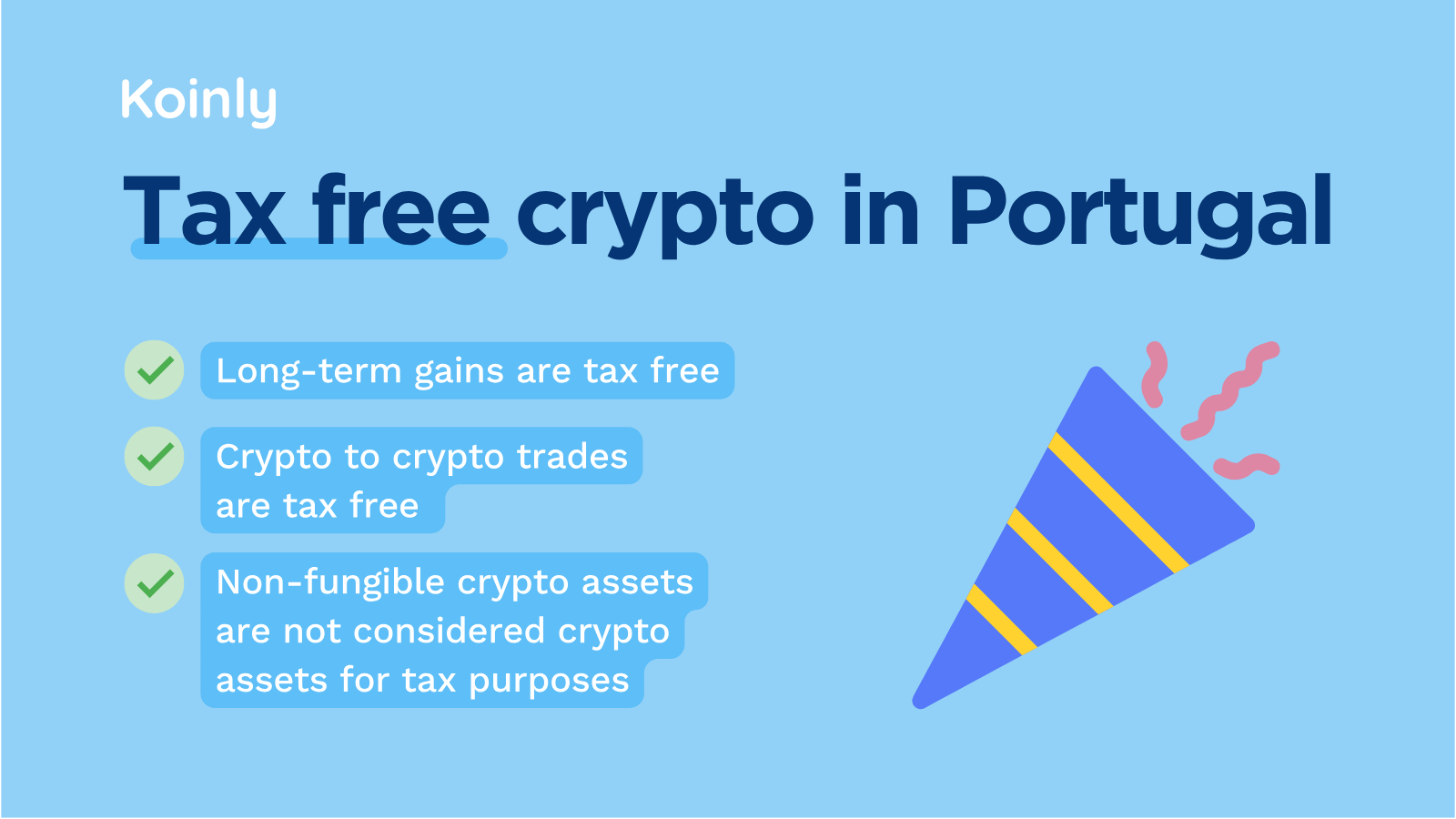
The first, simplest condition for no crypto income tax is that you’ve HODLed for at least a year. If you trade over the course of 365 days, the government views this as similar to trading stocks. Its objective here is to encourage more long-term trading and discourage speculation. This results in greater market stability and responsibility. If traders are going to take quick advantage of short-lived fluctuations in price, the government wants to take a piece of it. Ordinary income, whether in crypto or fiat currency, meanwhile, is taxed.
Thus, Portugal distinguishes between private investors who manage personal portfolios and professionals or businesses engaged in trading, mining, or receiving that crypto as income. These correspondingly require different tax forms when you file as well, on which only the G appendix has the potential to negate obligation. So, if you’re a business or a high-frequency trader, you’ll be required to use the B and E appendices.
The digital asset you hold doesn’t matter particularly that much. You could be holding Bitcoin, Ethereum, altcoins like Dogecoins or Monero.
Residency
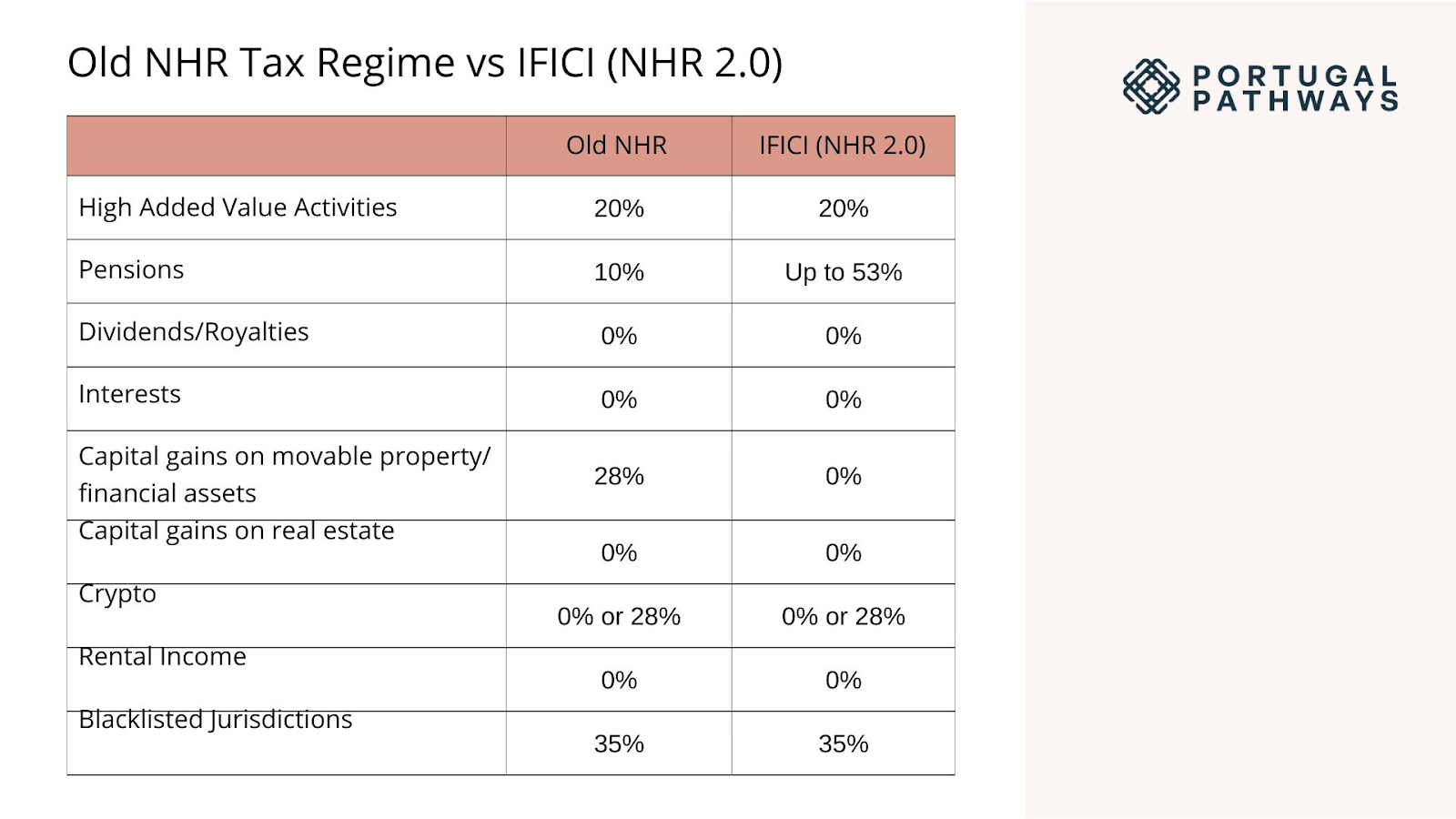
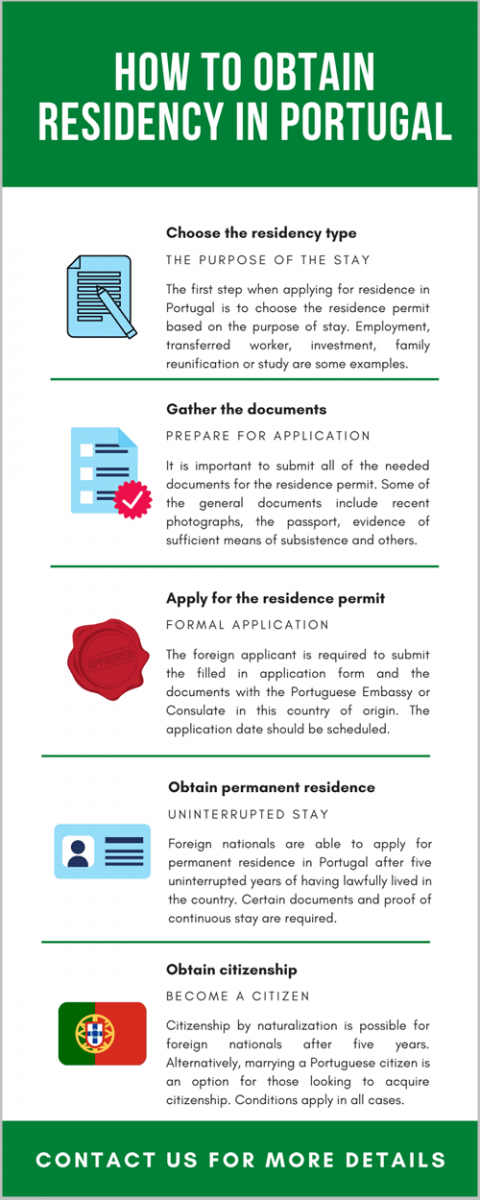
You also must be a Portuguese resident to enjoy that benefit, since otherwise you’ll owe taxes to the jurisdiction where you live, not to this country. To qualify, you’ll need to have spent 183 days there at least during the year in question, own a home there, or demonstrably hold your primary economic interests there.
Lucas Scenario
Imagine Lucas, a 32-year-old software engineer who recently moved to Lisbon from Berlin. He loves crypto and has been investing steadily since 2020. He works remotely, enjoys the sunny Portuguese coast, and plans to stay long-term. He wants to build his wealth in Bitcoin, ADA, and Ethereum without triggering taxes.
Suppose he:
- Purchased 1 BTC on March 1, 2023, for €25K
- Bought 10 ETH on July 15, 2023, for €1,800 each (€18K total)
- Acquired 2,000 ADA on October 10, 2023, for €0.50 each (€1K total)
Then, on March 6, 2024, he sells them all of for a profit:
- BTC at €40,000 for €15K
- ETH at €30,000 for €12K
- ADA at €3,000 for €2K
Total gains: 15,000 + 12,000 + 2,000 = €29K.
Because he is a private investor, not a professional trader, a resident, and he kept an accurate purchase record, he pays not a single cent.
When You Pay 28% Crypto Income Tax for Gains
When you get too clever, rather than investing just to invest in the market, that’s when the crypto IRS asks for a tribute. So suppose you’re a private individual mostly dabbling in digital coins and you sell them off the next week or only a few months down the line for a profit – the tax you’ll get is a flat 28%. Keep in mind that this is not the case of a professional business operation, nor does this apply to somebody in the thick of trading regularly as a profession. They’re typically charged more.
Liquidity
If you’re holding crypto to qualify for Portugal’s 365-day exemption, you might still need liquidity before that year is up. 8lends offers a way to borrow against your crypto or other assets, letting you access funds without triggering a taxable sale. It’s a smart option for investors who want to preserve long-term tax benefits while covering expenses or seizing new opportunities.
Passive digital coins as rewards
Aside from appreciation in one's virtual cash and reaping the rewards, a separate consideration is when you enjoy passive rewards off of your crypto-related activities.
- Staking rewards
- Crypto interest
- Airdrops
- Rewards from platforms
In these cases, you pay the 28% flat tax when you receive the tokens and, later, if you sell them, you pay capital appreciation tax if you sell them for a higher amount.
IRS Crypto Taxes for Businesses
While private investors are given special treatment from the government on long-term crypto investments, the rules for tax on crypto are quite different for those engaging in crypto as a profession.
Here is how these people “signal” commercial activity in the tax agency’s eyes:
- Their trading volume and frequency
- Use of professional infrastructure like platforms, bots, and designated offices
- Digital cash serving as their primary income: such as mining or crypto-related services
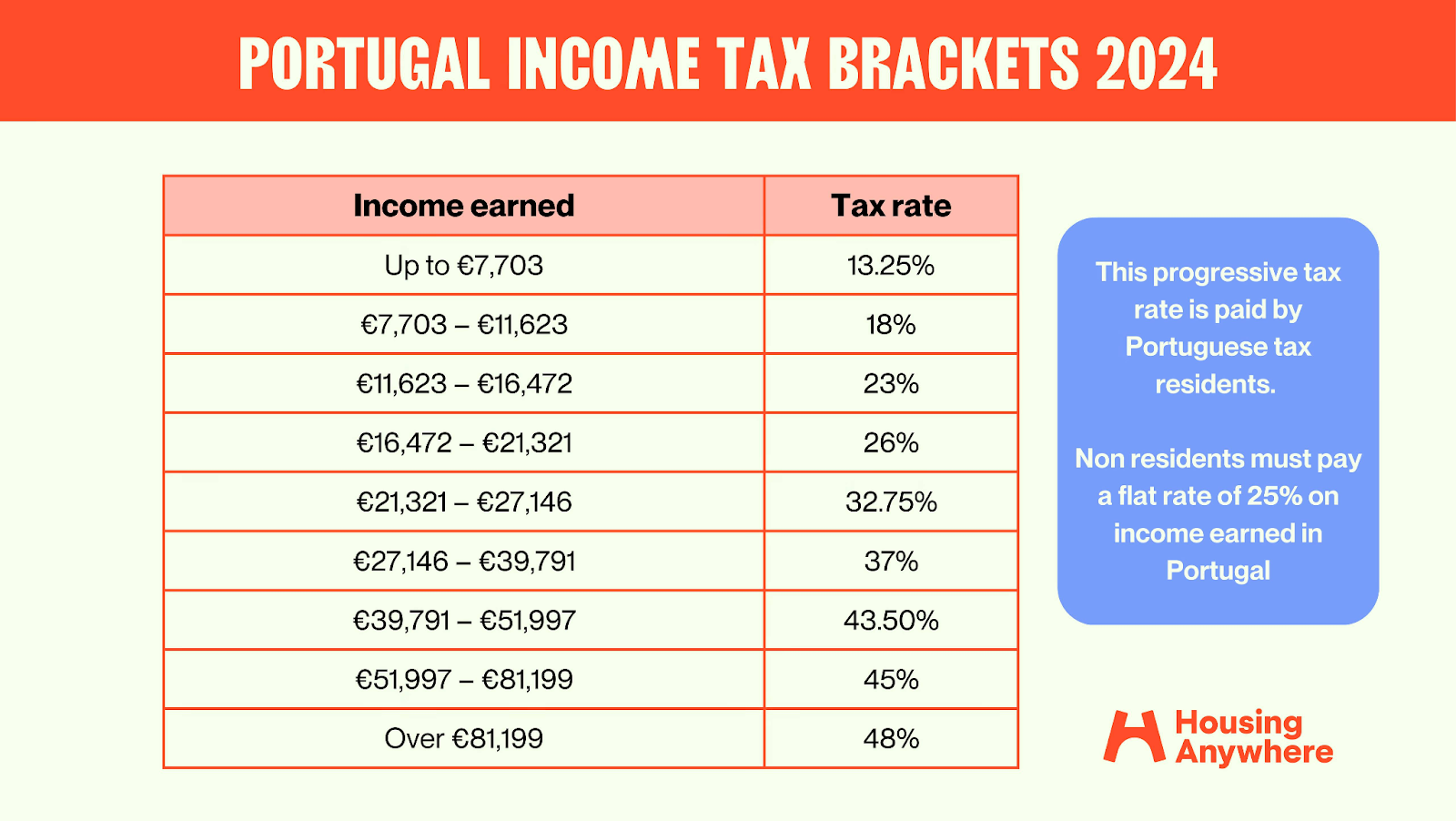
You need not run an office or fancy equipment though. If this is your main operation, you’ll be taxed as a full-blown income, from 14.5% to 48%. Social security contributions also apply. Fortunately, Portugal also offers such a state debt obligation regime as the simplified tax regime.
It’s called simplified since the write-offs don’t require counting expenses but instead a fixed percentage is used depending on the activity. To be eligible for it, people or businesses only need to have a gross annual income of below 200K euros.
Taxable in this case are:
- 75% of income from services
- 35% of income from other, not stated professional services
- 15% of income from selling goods & products.
Meet Ana
Ana, a 29-year-old freelance crypto consultant in Porto, earns crypto both from client payments and active trading. She receives BTC for her consulting services, flips ETH and ADA frequently for profit, and stakes Ethereum to earn additional tokens. Because her activity is classified as business income, all consulting payments, trading profits, and staking rewards are taxable at her progressive IRS rate, and the long-term 365-day exemption does not apply.
Her consulting income is worth €20K, trading profits €15K, and staking rewards €10K. She also works part time as a substitute math teacher, making €12K that year. The 2025 personal income rate is 44.60%. Notwithstanding relevant write-offs, she would owe 25,422 euros in taxes under the bracketed system. But she can save in taxes under the simplified system if her expenditures aren’t particularly large.
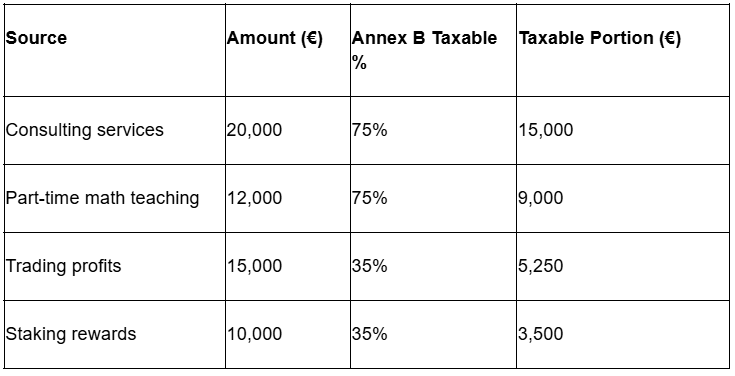
Thus, the taxable portion ends up being only 32,750. The rate at that bracket is 34.90%. So 32,750 * .03490 = 11,432 euros.
Meanwhile, the corporate tax rate is 21%.
The First In, First Out System for Crypto Declarations
An important note is that European nations require declaring crypto income tax differently when it comes to the gains that investors make. One consideration is if you bought 1 BTC for 25,000 euros first and then bought another satoshi for 30,000, and then you sold 1 bitcoin for 35,000, what’s the basis for the taxable gains – 30K or 25K? Countries determine this differently.
Portugal, however, uses a first-in-first-out approach, which means that the first digital coin deemed sold is the first one you bought. Therefore, in Portugal, you would be taxed on 10,000 euros in gains, not 5,000. And if you made several purchases of an asset before you later sold it, the first coin sold would be considered the oldest one you hold, the second one – the second-oldest, and so on.
For that reason, the responsibility is on you to diligently keep a record of the dates you make each purchase and how much the price was. Avoid mixing old and new holdings if you want to ensure a favorable tax season, and better yet, acquire crypto tracking tools to handle that stuff for you. Because if you get audited, you’ll be required to prove your case.
Crypto Tax on Special Coins
Stablecoins, despite being pegged to fiat currencies, are still treated as digital coin assets. So if you don’t wait the 365 days before selling them, you’ll have to pay the 28% crypto income tax on them, assuming it’s not part of your primary job or business. You’ll also have to pay a tax for swapping, for instance, USDT for EURS, but not when buying crypto for euros. NFTs are meanwhile tax-exempt. The coins that are taxed at the same rate for casual investors, though but do not enjoy the exemption after 365 days are any acquired virtual cash passively acquired or acquired in exchange for works actively performed.
Final Thoughts
Navigating crypto taxes in Portugal doesn’t have to be confusing. By understanding the rules – from the 365-day holding requirement for private investors to the simplified tax regime for self-employed professionals – you can make smarter decisions about when to sell, stake, or trade your digital assets. Tools and services like 8lends make it possible to access liquidity without triggering taxable events, letting you preserve long-term gains while funding opportunities or covering expenses.
Whether you’re a casual investor like Lucas or a freelance professional like Ana, knowing your options can save you thousands in taxes and keep more of your crypto working for you.
Investors who earn monthly interest on a crowdlending platform face a different reporting path than traders. The country-by-country breakdown is in how P2P and crowdlending income is taxed in Europe.