Types of Crypto Transactions to Declare
The digital coins world is no longer limited to swapping Bitcoin for Ethereum. This ecosystem has substantially expanded catering to niche group tastes, functionality, transactions, and celebrities. They allow a variety of ways to move, convert, and leverage digital assets. For crypto income tax purposes, it is essential to understand the different kinds that exist.
However, the following apply to cases of potential capital gains. It is these events that can be rendered tax-free, as long as the asset used to acquire them was held for at least 365 days before the operation and the person isn’t a professional trader.
Direct Swaps
Here, one cryptocurrency is exchanged for another on a centralized exchange. A trader could trade Doge coins for Monero, and it would usually be executed instantly. Such events are free to execute if the currency used to trade for the other coin was acquired after a year had passed and the individual of interest is not a commercial, professional trader.
If, however, this was done within one year, or this is a business or person heavily concentrated on profit making the trade, capital gains tax applies, in the amount by which the asset appreciated since the traded virtual coin was, in this case, a Doge coin, was originally acquired. The same applies to the rest of the transactions on this list.
Stablecoin Conversions
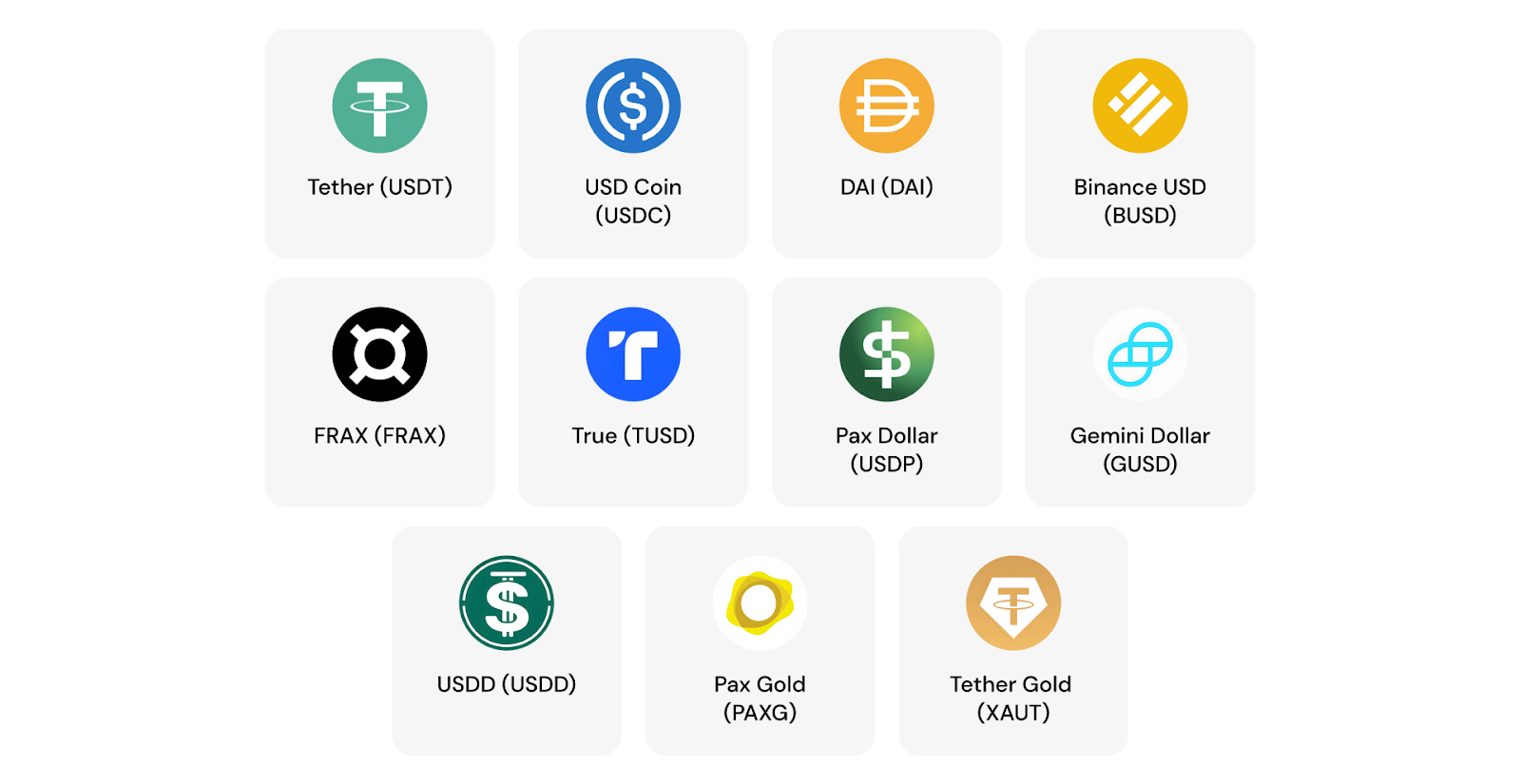
Investors often convert volatile crypto coins like altcoins, ETH, and BTC into stablecoins, which are pegged to fiat currencies. Even though these digital assets are neutral media, each conversion is technically a disposal for tax purposes if the original asset gained value, though, by definition, fluctuations in their value are very minimal.
Wrapped and Synthetic Assets
They allow tokens to function across different blockchains and protocols. Likewise, synthetic tokens represent off-chain or derivative assets, such as tokenized USD or securities.
Cross-Chain Swaps
Such transactions are becoming increasingly common. Investors might convert assets from Ethereum to Solana via bridging protocols or wrapped tokens.
Passive Income Always Requires Declaring Crypto
Now, we move beyond tax on crypto capital gains and we take a look at cases of passive income. These, by contrast, are always subject to tax. The only difference is whether the person executing it is a commercial trader or not. Consequently, that will determine if the person gets a 28% flat tax, if they are not, and a progressive income tax or corporate tax (21%) if they are.
Staking Derivatives
These represent tokenized forms of staked coins. Simply holding crypto in a proof-of-stake network allows the blockchain to generate new coins for you automatically. You don’t actively trade; the network rewards you for holding. Thus, these rewards are considered income at the moment they are credited.
Lending Interest
Depositing crypto into a lending protocol or centralized platform earns interest over time. Your assets are loaned out and generate interest without your active intervention.
Yield Farming and Liquidity Mining
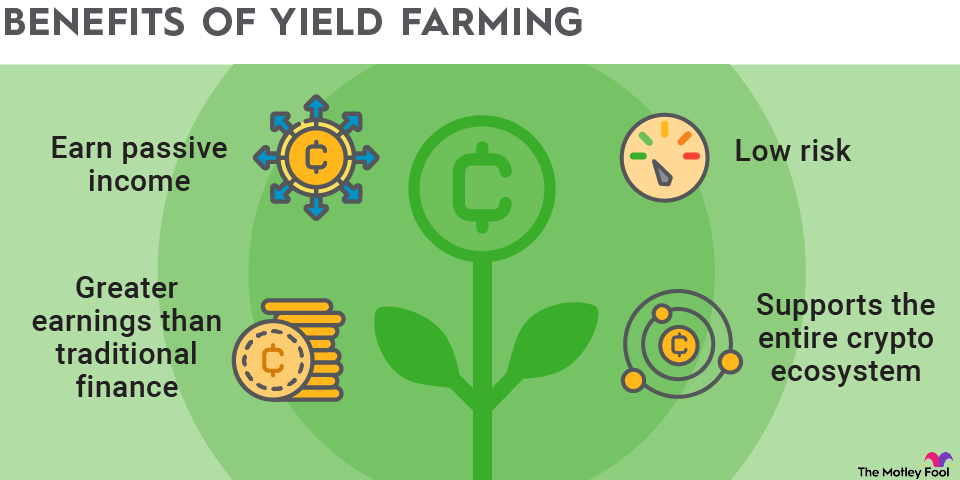
Providing liquidity to DeFi pools generates fees or reward tokens. Your deposited tokens work in the pool to earn rewards automatically. 95% of mining rewards are subject to the tax.
Governance Token Rewards
Participating in a protocol’s governance system can earn you extra tokens for voting or staking. You gain tokens simply by holding staked assets and participating in protocol mechanisms.
Masternode Rewards
Running a masternode generates rewards for maintaining network operations.
How to Maximize for IRS Crypto
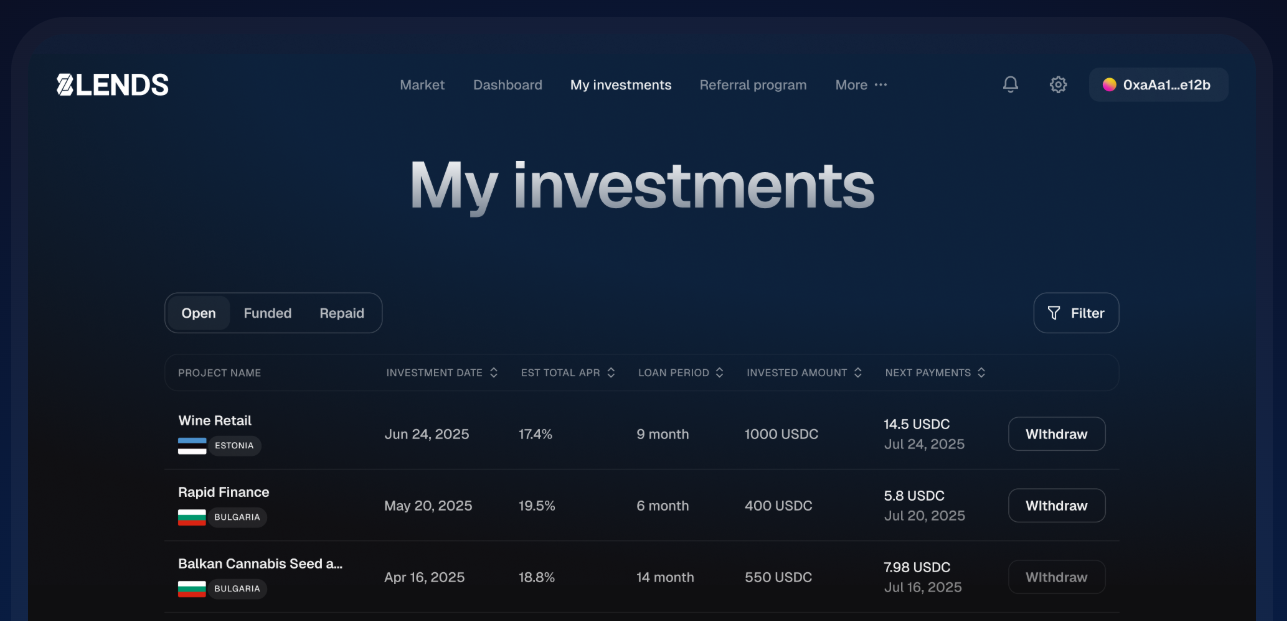
Navigating Portugal’s crypto tax landscape can be tricky, especially with so many nuances around crypto-to-crypto trades, passive income, and professional trading. That’s where 8lends comes in.
Whether you’re a casual investor or a frequent trader, 8lends provides you an amazing method to profit and diversify your portfolio. The resource offers lucrative interest rates and all loans are backed by collateral. It also gives promising projects a chance that never could’ve obtained traditional financing. 8lends makes tax reporting far less stressful, leaving you free to focus on your investments.
Special Cases in Crypto Income Tax
Portugal has declared NFTs to be exempt from taxes. When it comes to corporations, they get a 21% tax. Gifts are also not taxable up to 5,00 euros, and then entail a 10% stamp duty. Foreign-based income is not subject to tax either, only money made in Portugal. This won’t apply to US citizens though.
None-Habitual Residence 2.0
This new law replaced the old, more favorable NHR status for digital nomads in 2024. Back then, it afforded massive tax exemptions. Now, newcomers can enjoy a 20% flat tax on particular Portuguese income for up to 10 years and no wealth tax at all. All they have to do is be in Portugal for 183 days a year.
Commercial Determination for Crypto Tax Purposes
As we’ve mentioned multiple times on crypto declarations, you are taxed differently if you are more of a casual investor versus an individual or business who is heavily pursuing digital coins for the point of making profits.
A commercial enterprise, in this context, is defined by activity that goes beyond occasional investment. If the Autoridade Tributária determines that your crypto trading resembles a professional or business operation, your profits may be taxed under Category B as business income. This classification applies even if you have not formally registered a business. The tax authority looks at the nature, frequency, and organization of your activities to make this determination.
Key factors include:
- Trading volume and frequency: High-frequency trading, daily or weekly token swaps, or large-volume trades signal a structured, profit-oriented operation.
- Organized infrastructure: Using algorithmic trading bots, automated strategies, or coordinated reinvestment plans indicates business-like behavior.
- Reinvestment of profits: Continuously reinvesting gains and expanding positions systematically demonstrates that the activity is intended for profit generation.
- Professional appearance and resources: Maintaining detailed records, specialized software, or employing tools typical of trading businesses.
Real-World IRS Crypto Scenarios
Let's demonstrate different situations of how these crypto IRS matters play out.
João
Imagine João, a graphic designer and casual investor living in Lisbon. He bought Bitcoin during a market dip and later decided to diversify his portfolio. João purchases 0.5 BTC for €10,000. Six months later, the price increases, and his Bitcoin is now worth €15,000. Excited by Ethereum’s rise in the DeFi space, he swaps his 0.5 BTC for ETH. Even though no euros entered his wallet, the tax authority views that swap as a disposal. His €5,000 gain is taxable at 28% because he held the asset for less than one year.
Rico
Rico, an automechanic, buys 0.3 BTC for €6,000. He holds it for a long time, watching the market and studying Ethereum’s roadmap. Fourteen months later, the value of his 0.3 BTC climbs to €9,000. He decides to convert it into Ethereum for staking. Because he held the Bitcoin for more than 365 days, the €3,000 profit is tax-exempt.
Melisa
Melisa, a lawyer in Braga, buys Solana worth €2,000 during a hype cycle. Months later, the market corrects, and her position is worth just €1,200. She swaps her Solana into a stablecoin to avoid further declines. In this case, there is no tax to pay. The trade results in a loss, which she can use to offset other crypto gains made in the same tax year.
Miguel
This man in Funchal treats crypto trading like a full-time occupation. He buys Bitcoin, Ethereum, and various altcoins frequently, monitoring price charts daily and executing trades on multiple exchanges. He uses automated bots to rotate assets, reinvests all profits immediately, and even participates in yield farming and liquidity pools to maximize returns.
Every transaction is planned, timed, and aimed at generating profit rather than long-term investment. Even when he holds a particular asset for more than 365 days, his continuous trading and reinvestment behavior signals to the Portuguese tax authority that he operates as a professional trader, effectively running a commercial enterprise.
Conclusion
Crypto-to-crypto trading in Portugal offers tremendous freedom, but it also demands clarity. Long-term holders enjoy some of Europe’s most generous exemptions, while short-term traders, active swappers, and passive-income earners must navigate rules that can quickly convert routine transactions into taxable events.
The good news is that you don’t have to manage this complexity alone. 8lends gives you a powerful way to grow your portfolio safely, earn attractive returns, and rely on a platform where every loan is backed by collateral. By using 8lends, you gain a structured, traceable flow of crypto activity, something that not only strengthens your investment strategy but also makes staying compliant with Portugal’s evolving tax rules far easier.