1. Understand the Implications of Perception in the K4 Form Crypto
Before you carry on diving into a whole bunch of different types of money-making crypto endeavors, it’s prudent to know what you’re going to owe the government on them when you declare crypto with the Skatteverket. Taxes in Sweden are pretty easy to calculate, but many people confuse what counts as capital gains and what counts as earned income. The former is obtained passively and is the result of one asset being exchanged for another, while the latter is acquired actively – the acquirer’s efforts being what’s exchanged for the asset.
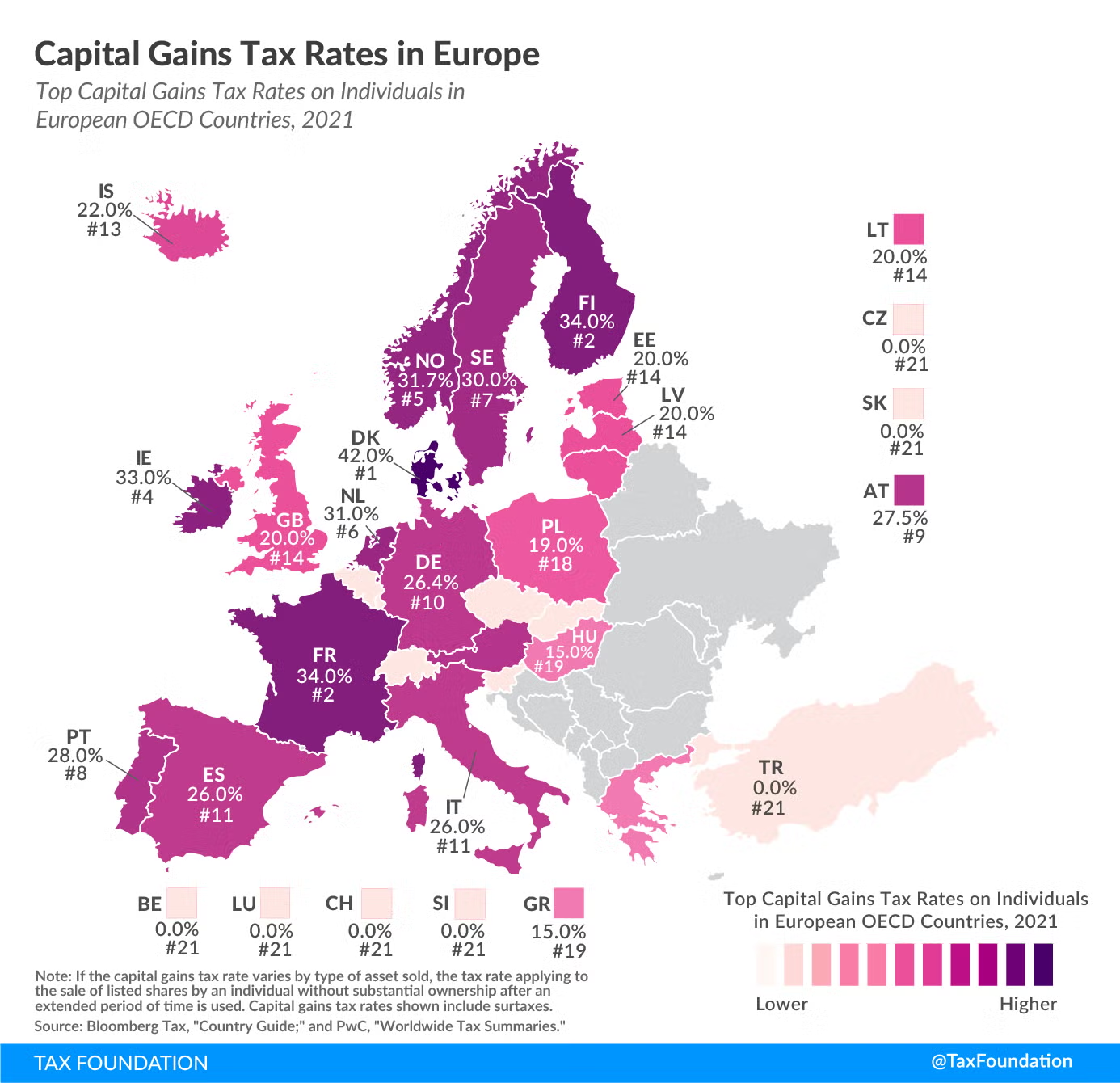
Capital gains are simple as can be – it’s taxed at a flat 30%, no matter if you’re a crypto millionaire or a novice. You can HODL for as long as you like, but the moment that you dispose of that crypto, exchange it for another virtual coin, or use it to buy something (thus entailing a conversion into fiat currency), you owe tax.
Then, crypto is going to be taxed as income at a rate of 29-35% municipal tax whenever you resemble a business, and also potentially 20% national tax on top of that. That’s going to depend on the frequency and regularity of your operations and how specialized you are.
2. Take Advantage of Cost Basis on Crypto Capital Gains
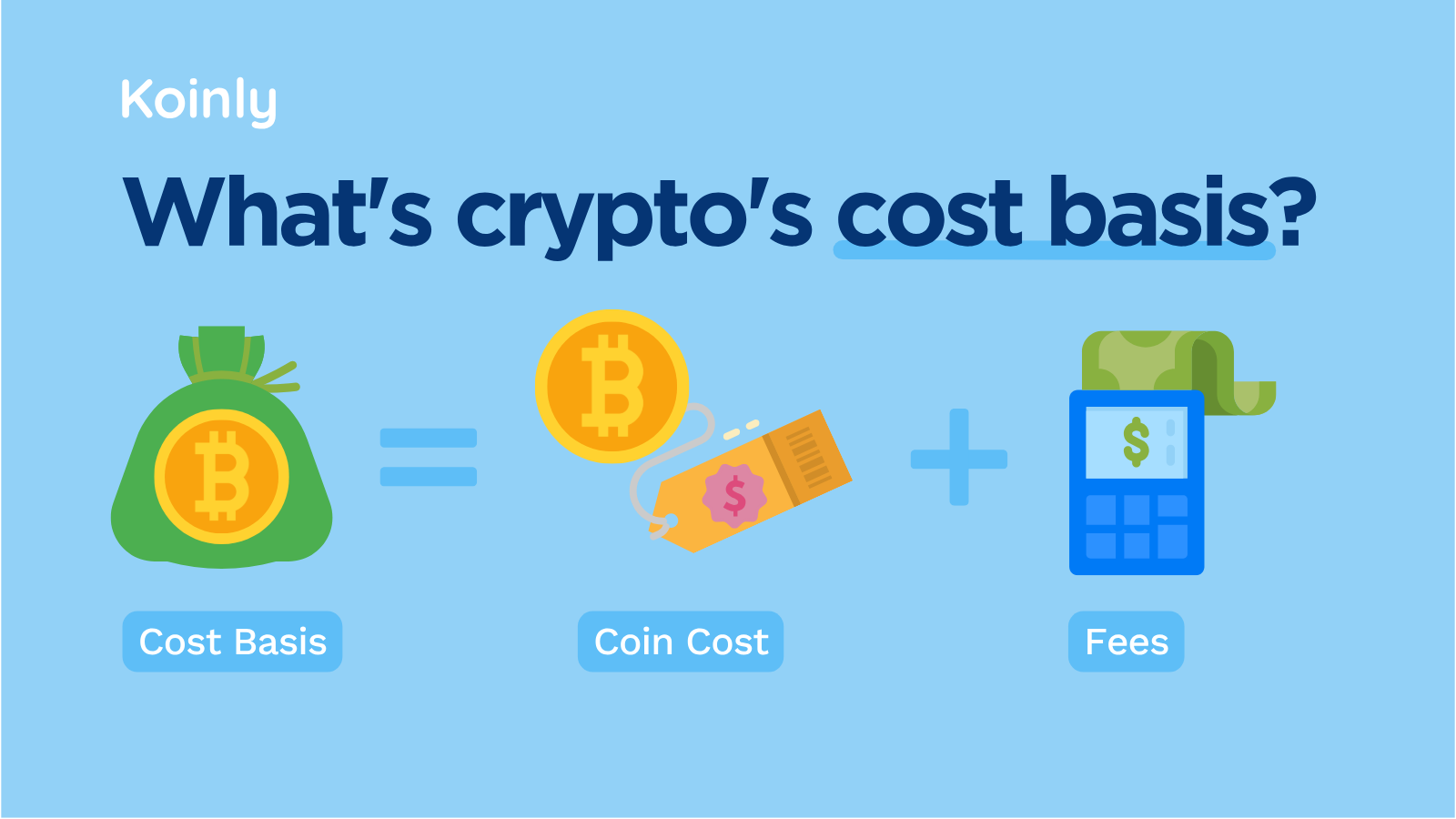
You have different options for how you’d like to establish the cost basis of your crypto capital gains. You can use last-in-first-out, first-in-first-out, or average-cost. If you use FIFO, that means that the first coins you sell will be considered to be the earliest ones that you bought. In LIFO, the last coins that you bought will be considered the first ones you sell. If your purchases tended to be cheaper longer ago, FIFO is probably not going to be favorable to you.
The Skatteverket most prefers average cost as the basis for the initial value at which you acquired your assets. That’s the most simple. It’s determined by simply adding up all of your payments to acquire the particular virtual coin divided by the total units of it that you acquired in doing so.
3. Keep Detailed Records of Every Transaction for the Crypto Skatteverket
Accurate record-keeping is the foundation of compliant and efficient treatment for Skatteverket crypto. Skatteverket requires that all taxable events—including trades, sales, exchanges, and payments made with crypto – are reported precisely.
Without clear records, you risk misreporting, penalties, or even audits. For all transactions, you must jot down the date that you acquired the crypto coin, how much you paid, the date you disposed it, and what you got for selling it. Download your statements and transaction histories for every wallet and from every exchange.
4. Track Gains and Losses Separately for the K4 Form Crypto
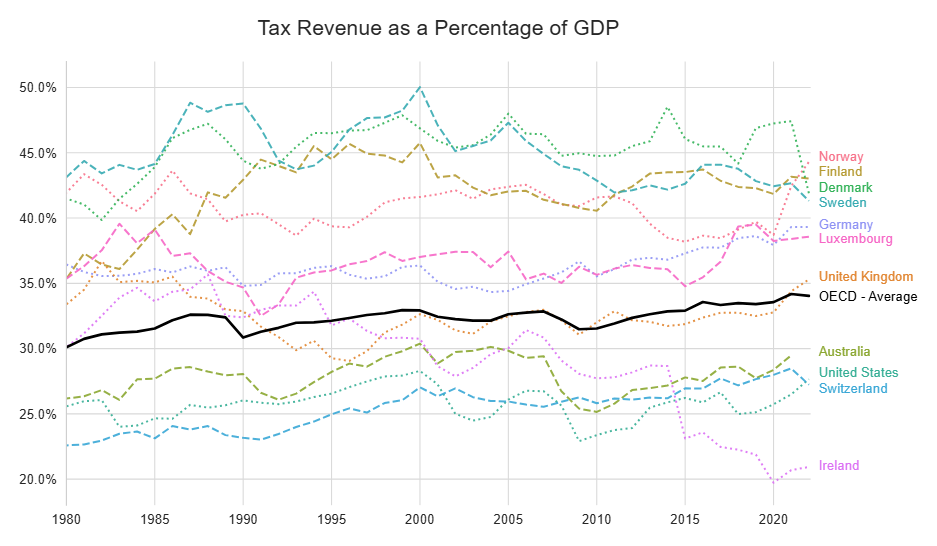
Each sale, swap, or crypto-to-fiat transaction must be recorded with its individual gain or loss for tax on crypto. Losses from one crypto can offset gains from another—but only if they are properly tracked and documented. They can even be rolled over into the next year, although only 70% of them can be used to negate taxes. However, detailed separation of gains and losses makes it easier to justify your calculations if the Skatteverket requests verification.
5. Take Advantage of Crowdlending
Crowdlending has become an increasingly popular way for Swedish investors to earn returns on their crypto holdings. In a crowdlending arrangement, you lend your cryptocurrency to a platform or borrower in exchange for interest payments. While this can generate passive income, it’s important to understand how Skatteverket taxes these earnings. Income earned from crowdlending is considered capital income and thus taxed at a flat 30% capital gains rate.
For investors looking to diversify their crypto portfolio and earn passive income, 8lends offers a compelling option through collateral-backed crowdlending. By lending digital assets on the platform, you can access high-interest rates while your investment remains secure. 8lends allows you to earn predictable returns in addition to your regular trading activities, rendering it a practical way to maximize the utility of your crypto holdings in Sweden.
6. Comprehend the Crypto Tax Treatment of Labor-Intensive Activities
Staking involves locking up cryptocurrency to help secure a blockchain network and earn rewards. In Sweden, the rewards earned through staking are considered tax on crypto business conduct. Liquidity pools involve providing cash liquidity in exchange for rewards as additional tokens. Thus, they're taxed within ordinary income taxes at 29-35% municipal.
Imagine you stake 1,000 ADA in the Cardano network and earn 50 ADA as rewards over the year. If the market value of ADA at the time of receipt is 5 SEK per ADA, the total value of your staking rewards is 250 SEK. Since these rewards are treated as ordinary income, they are taxed accordingly by municipal tax, typically ranging from 29% to 35%.
At a 32% rate, you would owe 80 SEK in taxes on this staking income. If you also made above 598,500 SEK that year, you’d also owe 20% for national tax, which would be 130 SEK for ADA.
7. Beware of “Hidden” Crypto Tax in 2025
In Sweden, not all taxable crypto activity is obvious. Many investors focus only on trades or sales, but the crypto Skatteverket considers several other events as taxable, even if no fiat currency is involved.
First and foremost, gifting cryptocurrency appears non-taxable on the surface, but as soon as the recipient goes and spends or exchanges it, that’s when they’ll owe for capital gains if the asset appreciated. Aidrops and forks work in the same way because they’re deemed gifts by the Swedish government. Furthermore, although it’s non-taxable to purchase crypto, you will get hit with taxes for spending it in the same way.
Then there are NFTs, which entail no tax when you buy them and may indeed never bring about any tax for you if you bought them just because you’re an art aficionado. But if you sell them and make a profit, the tax service will have a bone to pick with you if you don’t report your profit.
8. Be Extra Open on Skatteverket Crypto
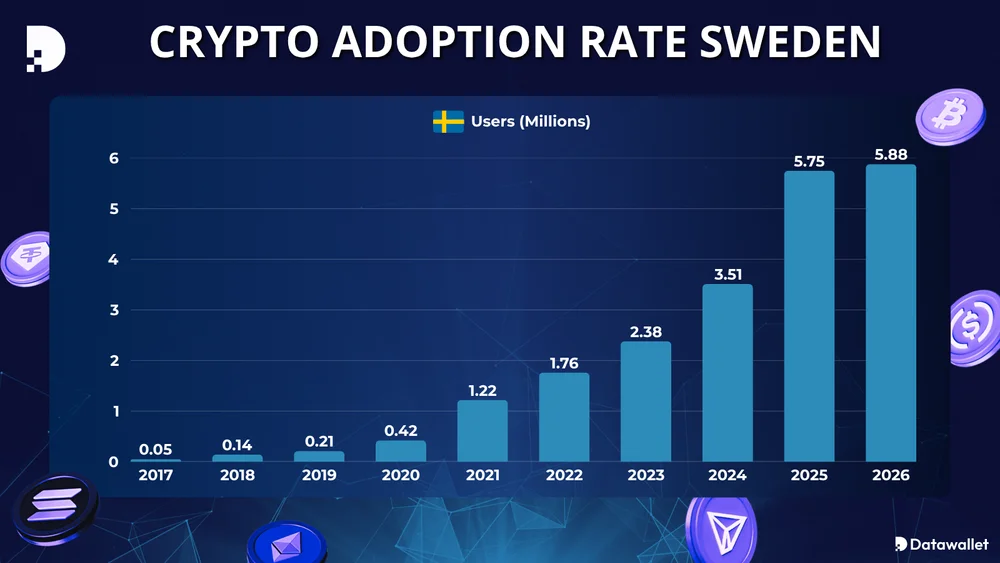
Transparency is one of the most important principles for Swedish crypto investors. Skatteverket crypto assessment values accurate and complete reporting, and being open about your crypto-related income can save you from audits, fines, or interest charges. Even if some gains seem small or transactions appear insignificant, reporting them properly ensures compliance and peace of mind. This will allow you to build credibility too and your future interactions with Skatteverket will be smoother.
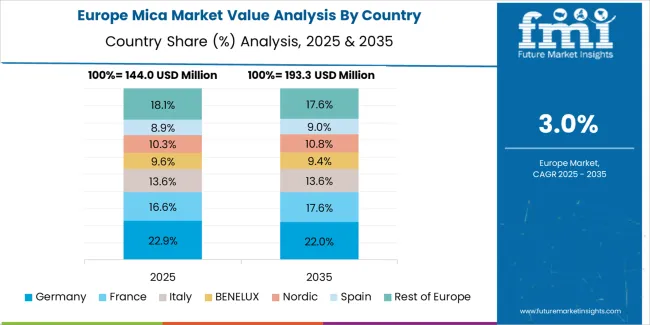
On top of that, Markets in Crypto Assets was just passed, along with the DA8C. The former enforces transparency and fair warnings to consumers to protect them from abuse as well as preventing money laundering. So it enforces very stringent rules. Meanwhile, the DA8C forces a whole new level of government reach when it wants to demand any information on your crypto activities from exchanges and platforms.
9. Stay Updated on Crypto Skatteverket Regulatory Changes
The cryptocurrency landscape is evolving rapidly, and Skatteverket crypto laws are no exception. For crypto investors, staying informed about regulatory updates from Skatteverket and broader EU legislation is huge because they change very fast. What’s legal or untaxed today might become taxable tomorrow, and regulatory clarity may open avenues for tax optimization, legal deductions, or exemptions.
10. Seek Help Declaring Crypto (for Taxes)
How you pay tax on crypto very confusing, so it makes all the sense in the world to spend a little bit of money to somebody who focuses solely on this topic. You can rest assured that you comply with Skatteverket regulations while optimizing your tax strategy and accurately completing the K4 form and other declarations. Furthermore, proper guidance and documentation reduce the likelihood of errors that could trigger audits or fines.
Final Thoughts
Navigating crypto taxation in Sweden can be tricky, but doing a little bit of homework will straighten things out for you. By being willing to continue learning all the time and remaining alert to the quickly changing fiscal laws, you’ll be able to make the most out of the Swedish crypto takes system. Maintaining transparency, keeping detailed records, and staying updated on regulatory changes further protects against errors, penalties, or audits.
At the same time, Swedish crypto investors can explore ways to grow their portfolios beyond trading. Platforms like 8lends offer collateral-backed crowdlending opportunities, providing high-interest returns while keeping investments secure. By integrating crowdlending into your strategy, you can earn predictable passive income alongside regular trading activities, rendering it a practical and lucrative addition to your crypto portfolio.