
How Crypto Gifts Are Treated Under Skatteverket Crypto Law

So the crypto Skatteverket sees that on your birthday, you find that you got some crypto as a present. The sender actually doesn’t have to pay a tax, and for a time, neither do you. It seems like the government is totally out of your hair. But after a while, you’re going to want to use that money, whether it’s to order a service or buy some other coin or spend it at an online casino. Suddenly, the government learns about this and tells you you do, in fact, owe taxes on it, because when you used it, it was worth more than when you got it.
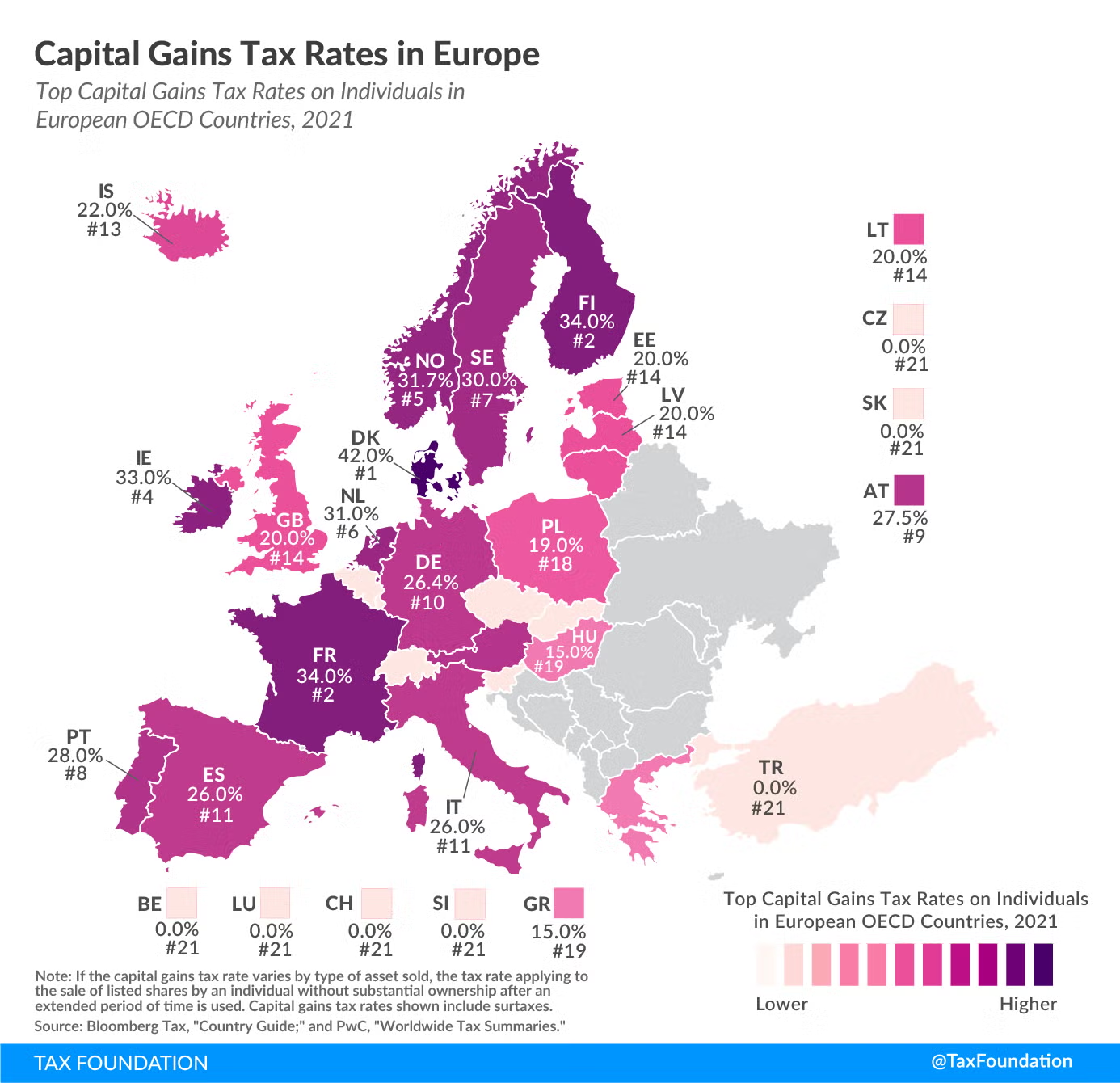
Sweden may not have a dedicated gift tax, but that doesn’t mean they’re automatically untaxed – especially digital cash. Skatteverket classifies it as property, so every disposal triggers capital gains debt, the reference value being set by the market.
Surprise Tax
Given gift capital appreciation, pay 30% tax of gains. If it went down, write off depreciation, which can offset up to 70% from other investments. Those may be carried over into subsequent years too. Just don’t let your money get stolen, because those cases aren’t eligible to relieve obligation.
Suppose you bought 0.5 BTC in 2022 for 100,000 SEK. In 2024, you gift it to your sister when it’s worth 200,000 SEK. Her cost basis is the same as yours: 100,000 SEK. If she sells it later for 250,000 SEK, she’ll have to report a gain of 150,000 SEK – and pay a 30% tax on that.
Both the giver and the recipient should keep records showing:
- The date
- The then market rate
- The original purchase cost, and
- Transaction details (wallet address, transaction hash, screenshots, etc.).
These details are essential in case Skatteverket requests verification or if the recipient later needs to prove their cost basis when selling.
Donations to Charities and Nonprofits
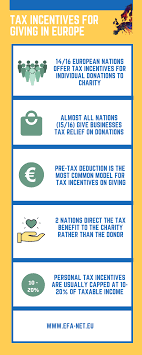
A similar situation to giving your sis virtual coins, but it’s an organization. Write-offs are often permitted for doing this, but only under these conditions:
- The charity must be one approved by the tax agency
- You must have donated 2,000 SEK at least for the year
- Donations have to be at least 200 SEK
Often approved charities are those that operate for a public benefit, such as humanitarian aid, research, and social welfare.
When Gifts Aren’t Exempt from Crypto Tax 2025
If a person or business gives you crypto as a “gift,” but it’s really payment for work or services, it’s not a genuine gift under crypto tax 2025.
Suppose that:
- A company “thanks” a developer in digital cash after fixing a bug.
- An influencer receives virtual coin presents upon providing exclusive content.
- A freelancer receives a “gift” from a client after delivering a project.
In all such cases, that’s income. On the day it’s received, it all must be declared as such, taxable under either employment income or business income rules.
If you’re looking to make your crypto work for you beyond gifts and donations, platforms like 8lends can help you earn interest or participate in crowdlending opportunities. By lending your crypto or investing in other projects, you can potentially grow your assets while staying compliant with tax rules at lucrative interest rates and backed by collateral. Just remember to keep careful records of all transactions for Skatteverket reporting.
Smart Moves When Gifting to Minimize Crypto Tax
While crypto Skatteverket treatment of crypto gifts and donations is clear in principle, in practice, it can get messy, especially when values fluctuate quickly or when intentions aren’t well documented. Following a few simple best practices can help you avoid confusion and stress.
Always Record the Market Value When You Transfer
Crypto prices can move dramatically even within minutes. To avoid disputes later, capture a snapshot of the market value (in SEK) at the exact time you send or receive the crypto.
Take a screenshot from a major exchange or blockchain explorer showing:
- The date and time of the transaction
- The coin’s market rate in SEK
- The wallet addresses involved
Clearly State the Intent Behind the Transfer
One of the key differences between a gift and a payment is intent.
To make that clear:
- Include a short note or message (e.g., “gift for graduation” or “crypto donation to X Foundation”) when transferring funds.
- If it’s a donation, keep written confirmation from the recipient organization acknowledging it as a charitable contribution.
This makes it easier to prove that the transfer wasn’t part of a business transaction or compensation, which could otherwise trigger income or VAT implications.
Avoid Mixing Personal and Business Transactions
If you operate a business that accepts crypto, keep personal gifts and donations entirely separate. Using the same wallet for both can cause serious mishaps. The Skatteverket might treat a “gift” as business income if the wallets are linked or the pattern of activity looks commercial.
Ideally:
- Maintain dedicated wallets for personal and business crypto.
- Use clear labels or categories in your transaction logs.
Be Careful With Cross-Border Gifts
Gifting crypto to someone outside Sweden can create cross-jurisdictional tax implications.
For instance, while Sweden doesn’t tax the recipient, the foreign country might, either treating it as income or a taxable acquisition. Always check the recipient’s local tax rules before transferring large amounts.
Don’t Assume Small Gifts Are Automatically Exempt
Even though small crypto gifts are rarely scrutinized, they’re not automatically exempt from tax if they involve appreciated assets. For example, sending someone 0.05 BTC you bought for SEK 10,000 that’s now worth SEK 30,000 still counts as a taxable disposal – the gain must be reported. The size of the transaction doesn’t determine whether it’s leviable.
If Your Gift Is Deemed Commercial: Tax on Crypto
If it’s deemed not an authentic gift, the tax agency will say you’ll pay tax on crypto. There are two main types of taxes for crypto income. There’s the 30% capital gains tax, which the recipient would have to pay anyway as soon as they use or swap the crypto. Fortunately, there’s a good chance that you acquired that crypto recently, and if you buy the crypto, send it, and then they exchange it right away, the capital gains tax will be pretty much negligible. The way to look at this is just to avoid the potential hazard of having to overpay the government.
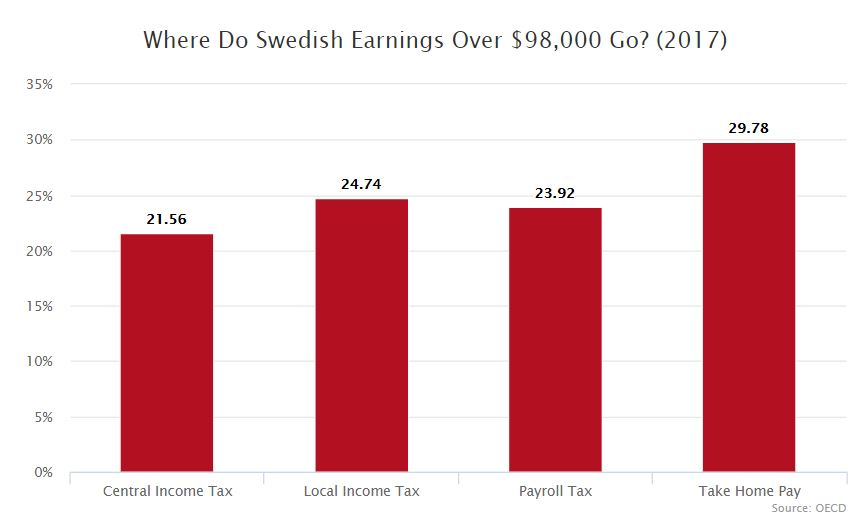
The other issue to look out for though is if it’s considered commercial income, because in that case, the recipient will likely end up owing a lot more. And it will be due the moment they receive it under Swedish income tax. Income tax in Sweden is usually paid not nationally but to the municipalities, with an average rate of 32%. If the person makes more than
598,500 SEK that year, they will be charged an extra 20% national tax though.
Conclusion
Gifting or donating crypto in Sweden may seem simple at first, but the tax implications can quickly become complicated. Whether you’re sending Bitcoin to a sibling, donating Ethereum to a charity, or receiving crypto from a friend, keeping detailed records and understanding Skatteverket’s rules is essential to avoid unexpected tax bills. By clearly documenting market values, intent, and transaction details, you can ensure that your gifts and donations are handled correctly and stay compliant with Swedish law.
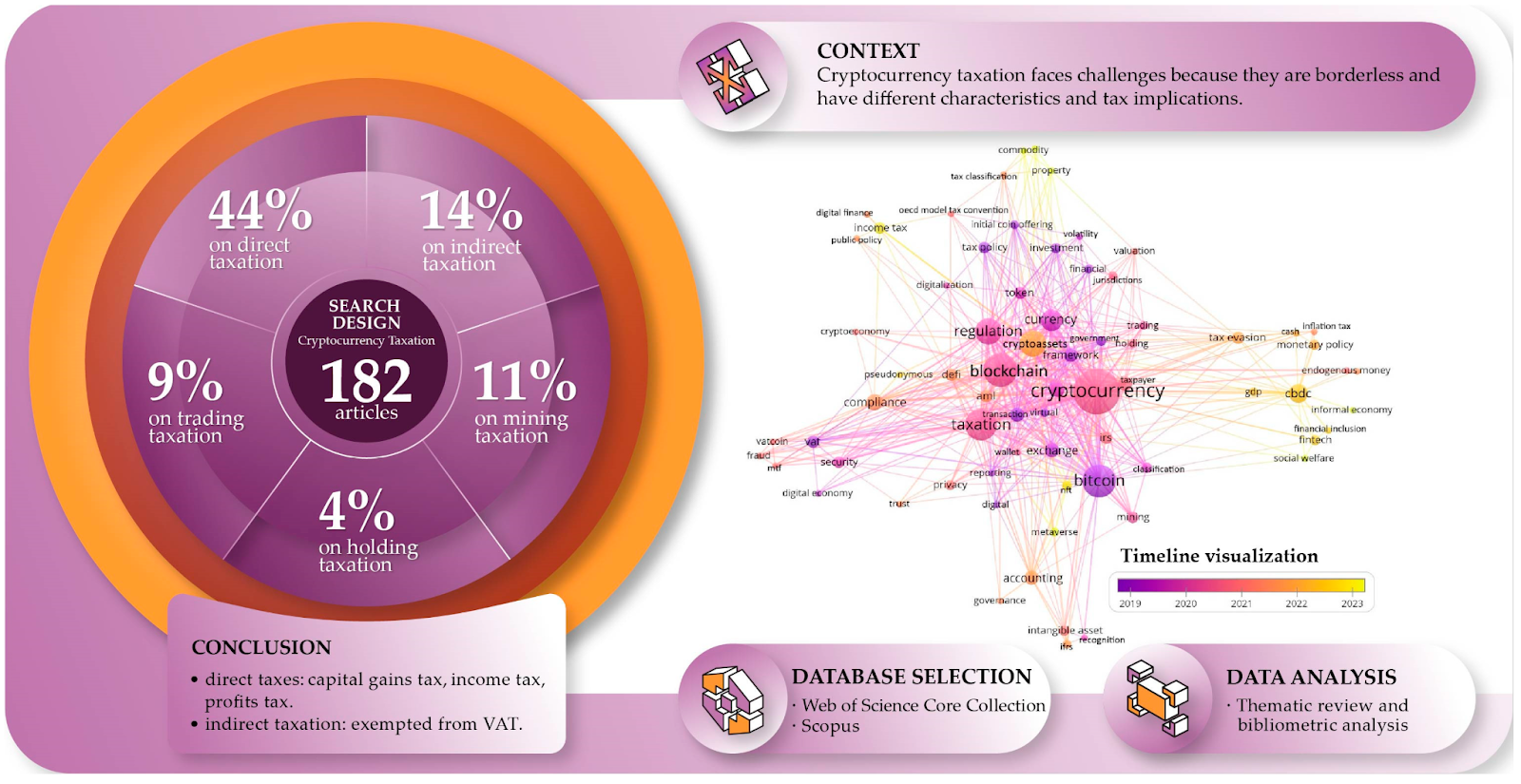
Investors who earn monthly interest on a crowdlending platform face a different reporting path than traders. The country-by-country breakdown is in how P2P and crowdlending income is taxed in Europe.
Read next on 8lends
To become an ace at managing crypto while staying on the right side of taxes, consider 8lends crowdlending. The platform allows you to invest or lend your digital assets safely, helping you grow your holdings responsibly.