Residency: Do You Owe the Crypto IRS?
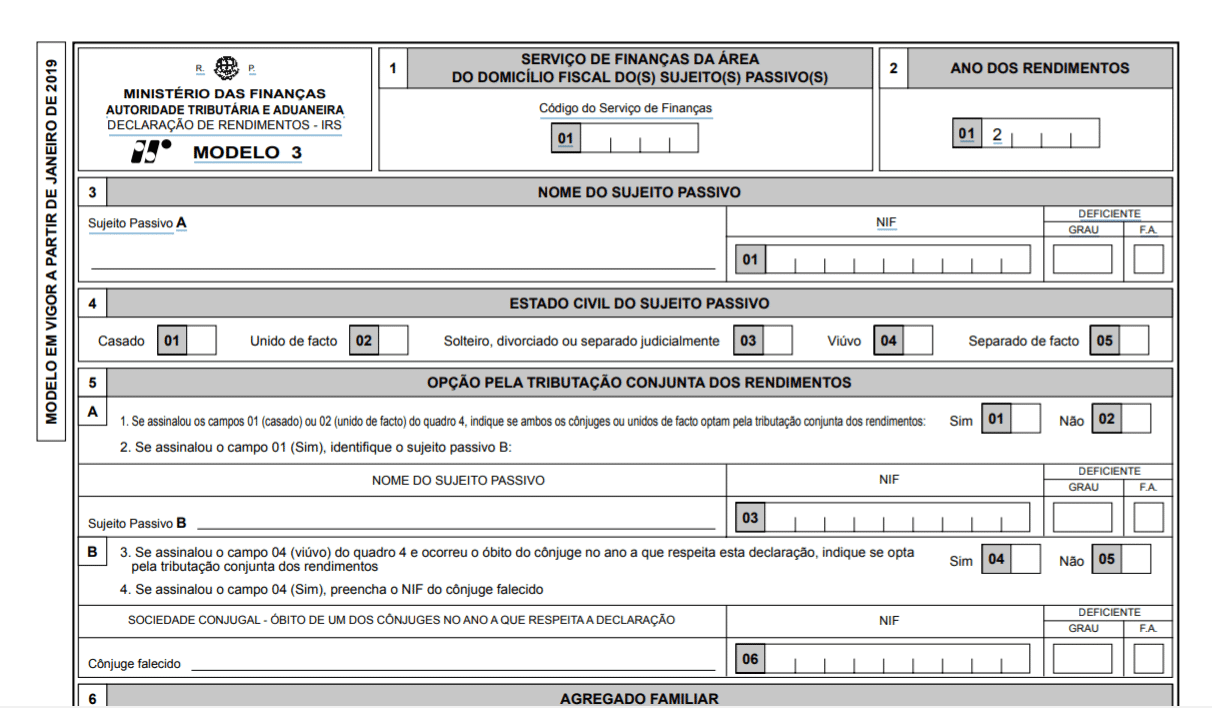
If you are a resident of Portugal, you’re obligated to declare crypto in 2025 on absolutely everything. If you’re not, you have to submit paperwork anyway, but that’ll only be applicable to income, whether from a local job or blockchain-related online, and crypto gains you’ve made in the nation. Whatever appreciation you’ve engineered with your crypto from foreign sources are irrelevant here.
As for residency determination, here are the conditions:
- Have you spent 183 days in Portugal for the year in question?
- Do you keep a home there, suggesting ongoing intent to make the land your permanent residence?
- Is the country somewhere that your economic interests are primarily based?
Portuguese Crypto Declarations: Starting with Modelo 3
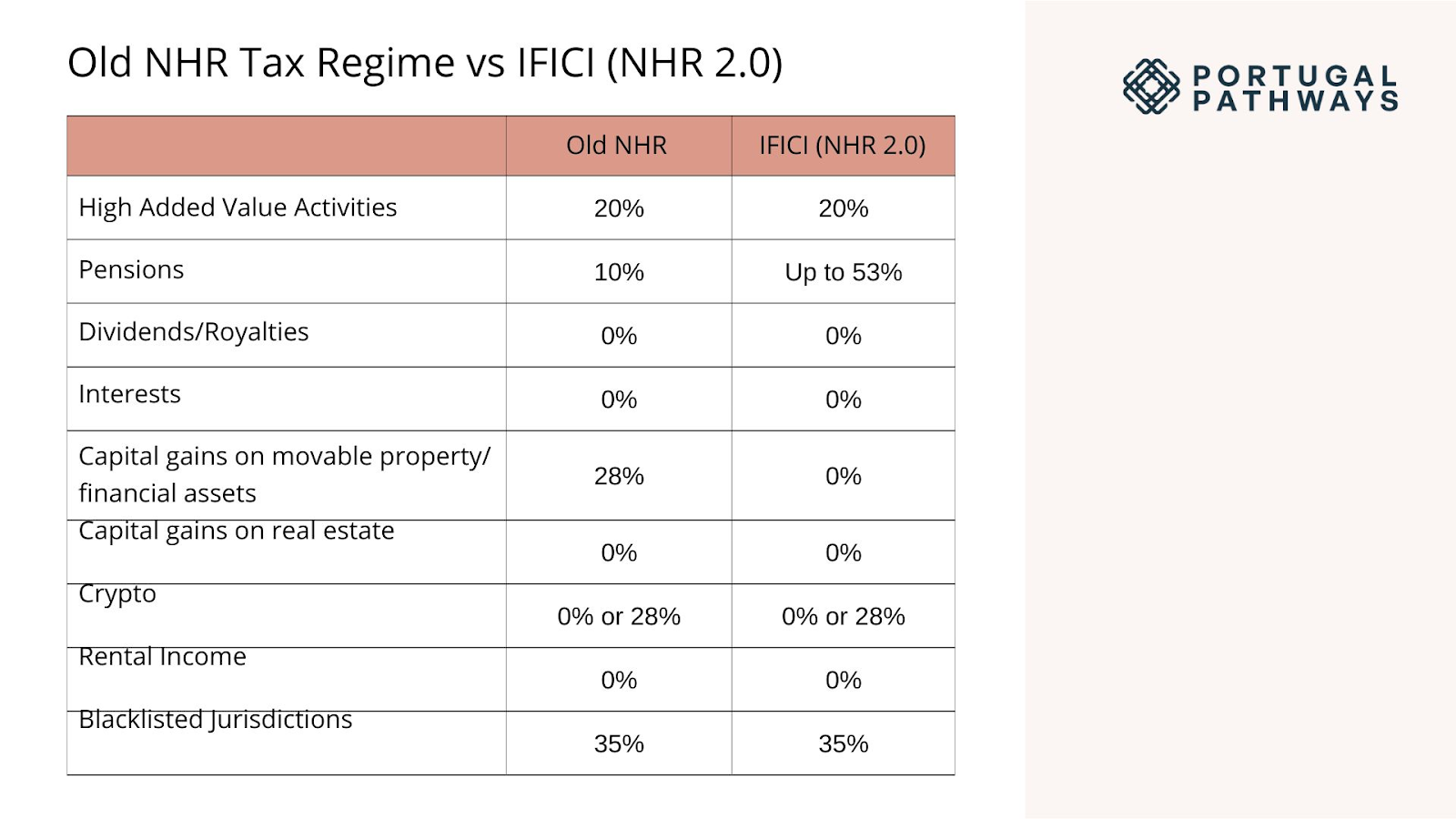
The main form for crypto income tax you will have to use annually, wherever you’re pulling in income from, including from digital coins, is the Modelo 3. Even if you owe nothing. All you do on that one is fill out fundamental info about yourself, your intentions, and it directs you as to the further forms to attach. Personal income tax is referred to as IRS there, and there are 12 appendices total, lettered from A to L. Of these, the only relevant ones to crypto holders are B, E, or G, depending on the person.
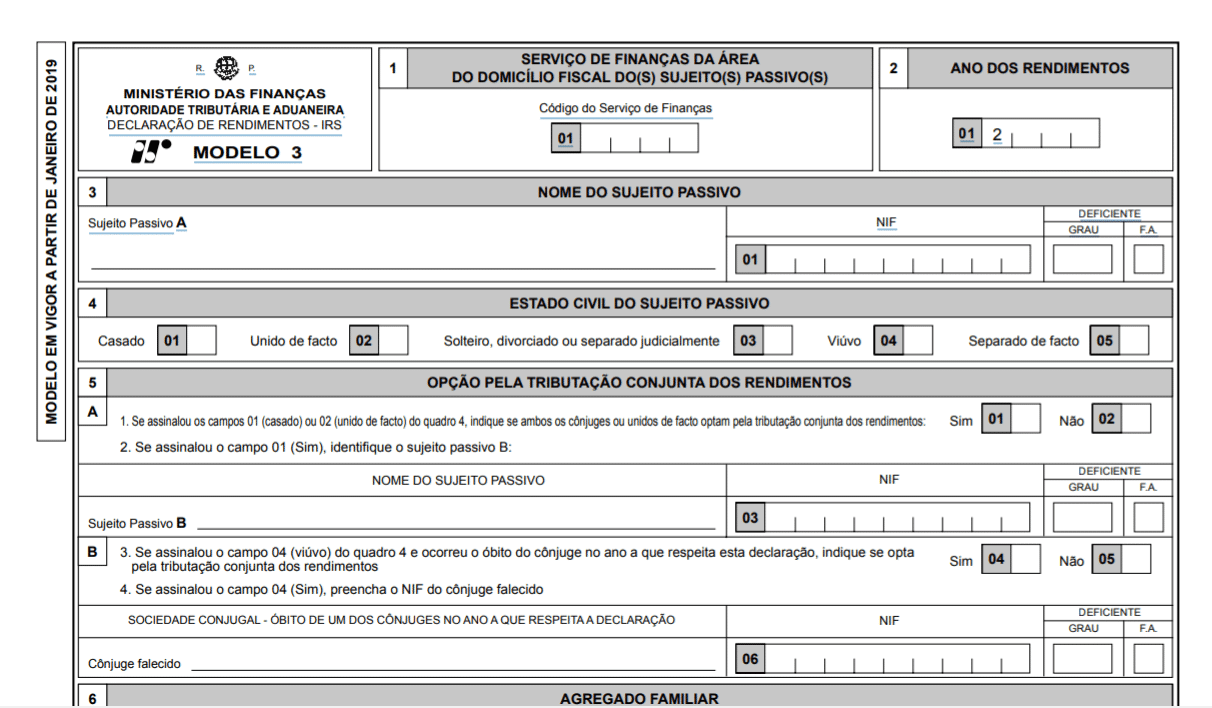
Its lines contain:
- Your NIF (Portuguese taxpayer ID)
- Your marital status (single, married, joint filing vs separate)
- Dependents
- Address and tax residency confirmation
- Whether you are opting into aggregate taxation (progressive rates) instead of flat rates
- Bank account details for refunds
- Selection of annexes you're submitting (e.g., Annex G, Annex E, Annex B)
This is also where you decide if you’re opting into the 28% gains tax or electing the progressive rates instead. And keep in mind, you still have to submit it:
- Even if you owe nothing on digital currency gains, due to the 365-day holding period exemption.
- You’ve earned virtual cash by staking or scooping up airdrops, at any time at all that year.
- If you trade frequently or have mined. That’s a no-brainer.
Annex G: Gains
This is where you break down how much additional value you’ve extracted from your digital coins, which you have to pay on but only if you’ve done so within a year. Meanwhile, as the basis for the initial asset you bought, the state uses the first-in, first-out method.
This applies to:
- Selling or exchanging digital cash for fiat money
- Used crypto for purchases in fiat
- Swapping for another virtual coin type
- Realized losses you’d like to carry forward or offset against appreciation
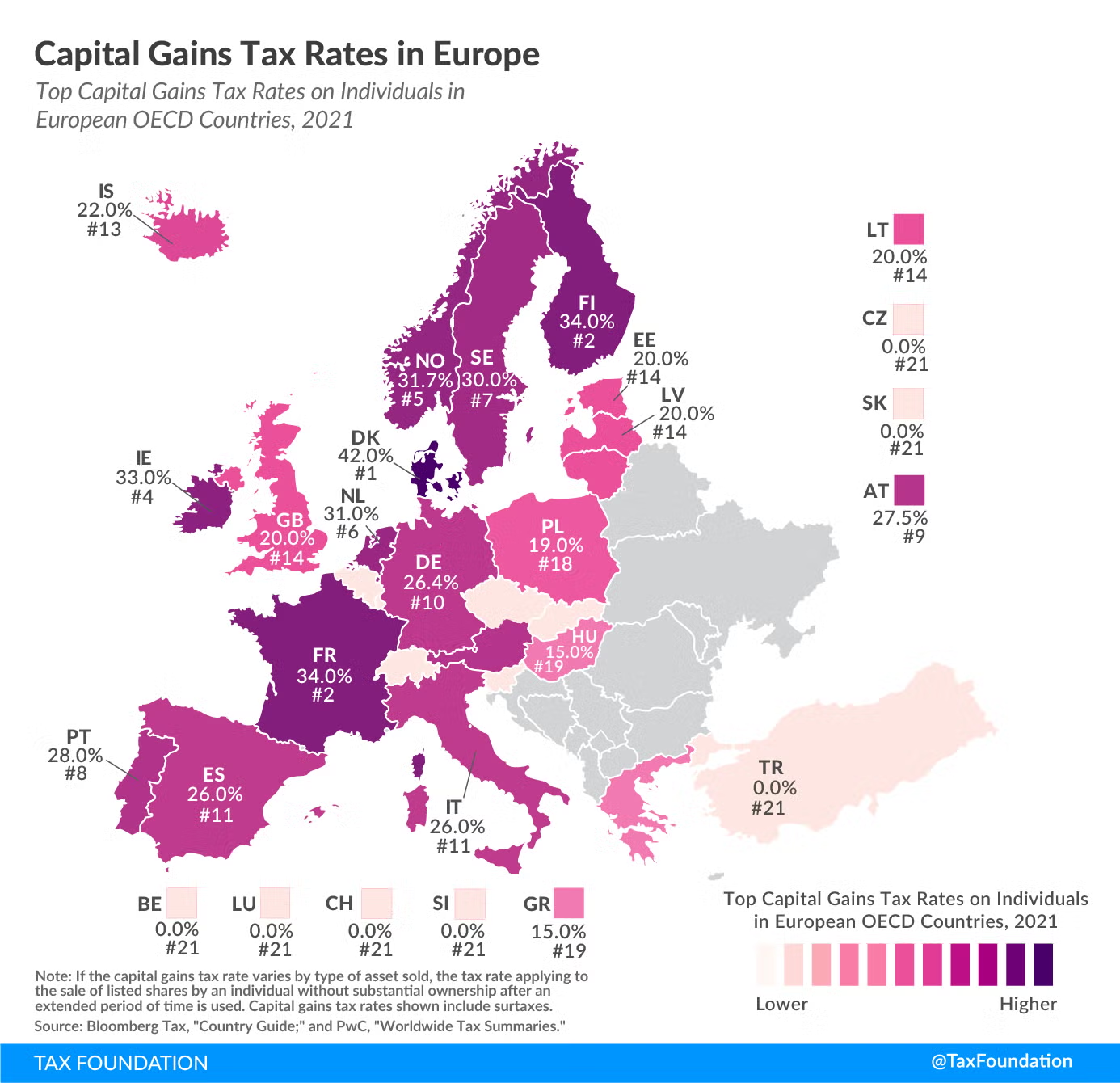
Such short-term appreciations of value have to be paid on as a 28% flat rate. Unless your overall income is really low, in which case you could take advantage of a lower bracket. As for getting tax breaks on the back of losses, you have to keep track of the values and dates, and they must be the same type of asset.
It’s important not to mix capital gains up with other forms of income commonly made off digital coins, such as trading as a profession, mining, staking, and other special events.
Annex E: Money from Staking, Airdrops, Yield, and Passive Activities
For all Portuguese residents, no matter if they’re getting money out of stocks, dividends, or digital investments, this is the form to use. Anything you get while you kick back and let the money pour in is to be indicated here. In this case, you’re not actively running a business behind the process. Here, you also get to choose between paying the flat 28% or going for bracketed taxes.
Other crypto income you’ll list here includes:
- Airdrops
- Lending interests
- Liquidity pool rewards
- Exchange/staking “earn programs” like Binance Earn and Coinbase staking
You will need some disciplined accounting for these activities, as Annex E also includes:
- The type and source of income
- Date you received the tokens
- EUR value on the exact date received
- Total taxable amount
Because many crypto platforms don’t provide Portugal-formatted tax statements, you must have:
- Wallet/exchange logs
- Price data for each token on the receipt date
- Good record-keeping practices
As a disambiguation, the Annex E is NOT where you declare money generated from mining, running a validator as a business, or earning crypto for services, since those are active revenue sources.
Annex B: Business & Professional Activity
If your earnings are organized, continuous profit making, that’s business income. You don’t even have to have a formal company, as you could be deemed by the authorities as a self-employed earner. That’s where such money would be listed, and, once again, the 365-day holding period exemption does NOT apply here.
This is the source of the greatest confusion for most expats filing. But really, it’s not complicated – if you’re just providing services as an independent contractor or running a business, as opposed to making occasional gains or making money passively, the Annex B is where it goes.
Let’s just break down each activity:
- Mining of any form
- Running nodes or validators
- Buying or selling frequently
- Using leverage, bots, and multiple platforms
- Engaging in something reminiscent of arbitrage
- Getting paid for your work in crypto as compensation for active deeds
In this case, you either pay in the form of income brackets – from 14.5 to 53%, or you can opt for the simplified regime, which is the default if your annual income is below 200,000 euros. Here, there’s no need to deduct expenses since they’re assumed automatically. If you make more than that, you deduct your real business expenses and will need a certified accountant. Notably, NFTs are tax-exempt.
Burden of Records in Declaring Crypto Income Tax
To declare crypto correctly in Portugal, you need clean, traceable records in EUR for each taxable event. That means keeping track of:
- Wallet-to-wallet transfers (for audit trail clarity)
- Buy/sell transactions
- Crypto-to-crypto trades
- Staking/yield income with timestamps
- Fair market value in EUR on the date of each event
For investors with only a few transactions, a spreadsheet is enough. But if you use multiple wallets, central exchanges, or DeFi platforms, manual tracking can quickly become time-consuming – and easy to get wrong.
For many investors, the challenge isn’t only managing crypto taxes – it’s balancing long-term holdings with real-world liquidity needs. That’s where 8lends comes in. Instead of selling assets prematurely or breaking long-term investment plans, investors can put a portion of their capital to work by funding real businesses. 8lends connects individual lenders with vetted borrowers and uses a scoring model inspired by major rating agencies to evaluate creditworthiness. For anyone looking to diversify beyond crypto volatility, 8lends offers steadier, interest-based returns without interfering with your overall tax strategy.
How to File Your Crypto Declaration
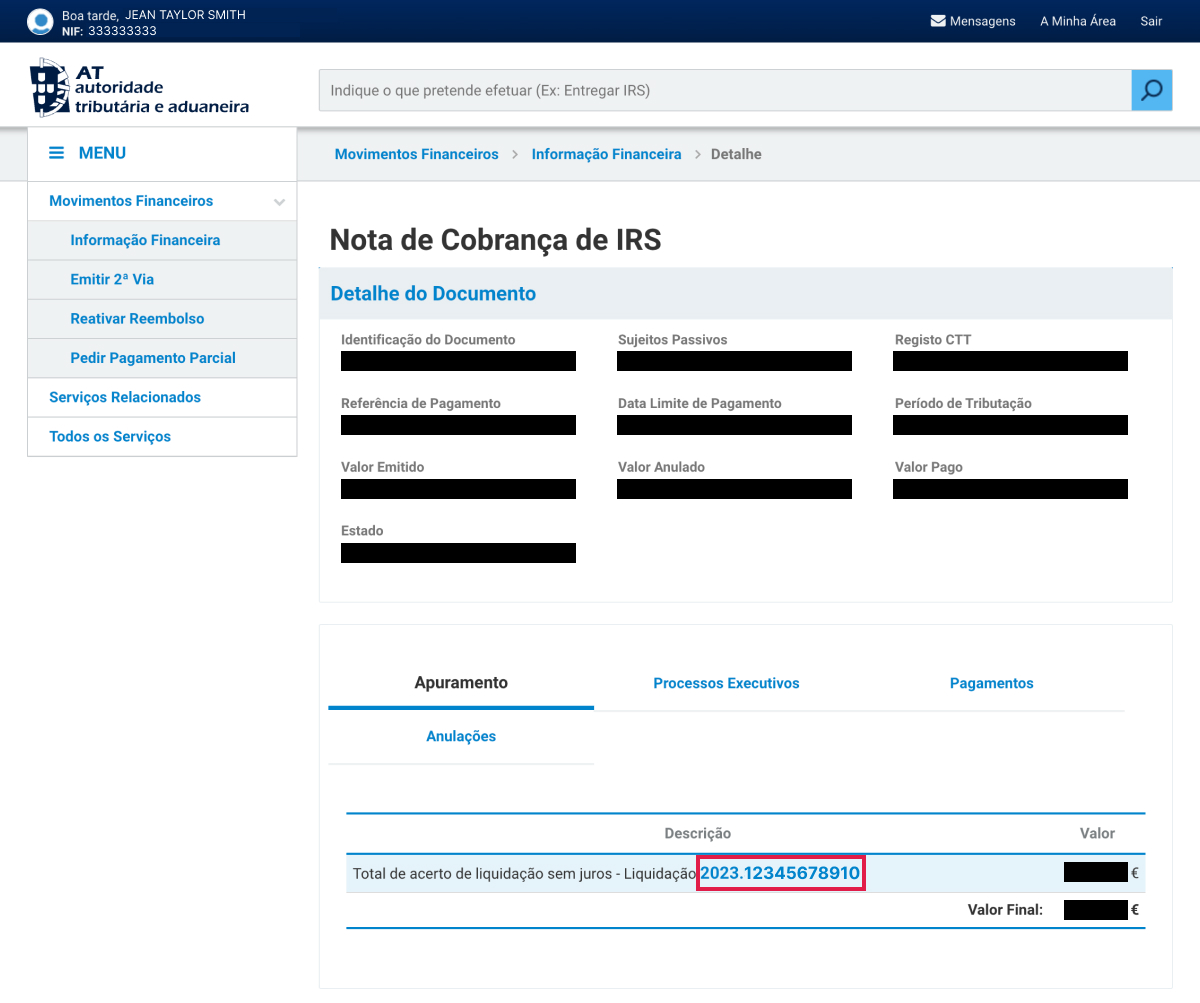
You can submit your crypto taxes online by visiting the government web portal. You will need your NIF and passport or digital certificate to log in. Online, all the math calculations are completed automatically.
- Choose the correct tax year.
- Select if you’re filing online or printing for submission.
- Fill out the Modelo 3 and then whatever appendices are applicable to your particular type of crypto income.
- Include exchange reports, staking statements, or wallet export logs.
- Review your totals and make sure all the annexes are complete.
- Submit it.
- Save the confirmation receipt.
- Pay any tax owed by the deadline via bank transfer, MB Way, or direct debit.
You can be audited on crypto transactions, so keep records for up to 5 years back. It’s also very wise to use software tools for crypto debt calculations. It will save you a lot of headache.
Important Filing Dates to Keep in Mind
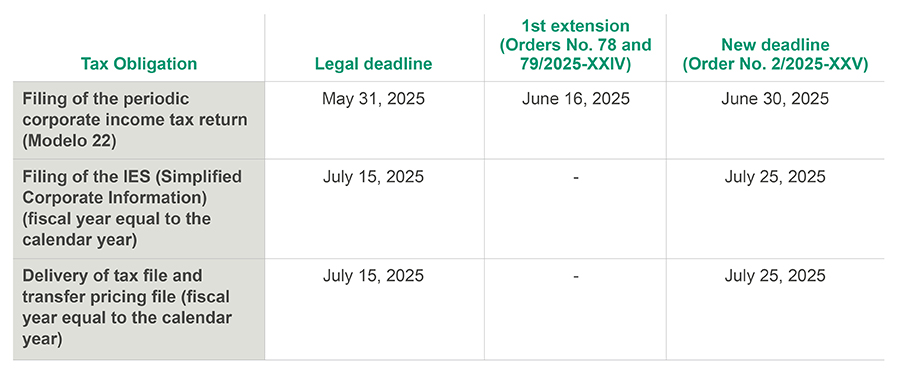
You have to keep your records organized and also file on time if you want to avoid getting any penalties, interest, or an audit. You can file your Modelo 3, along with whatever other Annexes apply, as soon as April 1st of the following year and the deadline is June 30 of that following year for all of them.
Conclusion
Portugal remains one of the most attractive destinations for crypto holders – offering residency options, quality of life, and a tax system that still treats long-term digital asset gains favorably. But don’t mistake “crypto-friendly” for “no rules.” Filing is mandatory, record-keeping matters, and knowing which annex applies to your earnings is key to staying compliant and avoiding problems. If you follow the guidance above, organize your transactions, and take a structured approach to Modelo 3 and the annexes, filing becomes manageable – and far less stressful.
Platform interest is usually taxed as income, not as a capital gain — including for Portugal residents. The full European overview is in how P2P and crowdlending income is taxed in Europe.
And if your goal is to strengthen your financial position without relying solely on crypto markets, 8lends offers an additional path. As a crowdlending platform, it lets investors fund promising businesses and earn attractive, interest-based returns, backed by a modern credit evaluation framework. It’s a practical way to diversify while keeping your long-term crypto plans intact. You want your money working in more than one place, with returns that don’t bounce around like token prices.