Portugal’s National Tax on Crypto
The nation has long stood out for its favorable approach to crypto income tax and regulation and been a magnet for digital nomads, those who dabble in crypto, and blockchain startups. This has been due to its lenient attitude toward digital assets and taxing them. One of the primary approaches Portugal has taken toward virtual assets is distinguishing between individual and casual investors and those seriously engaged in crypto as a business or as a form of speculation.
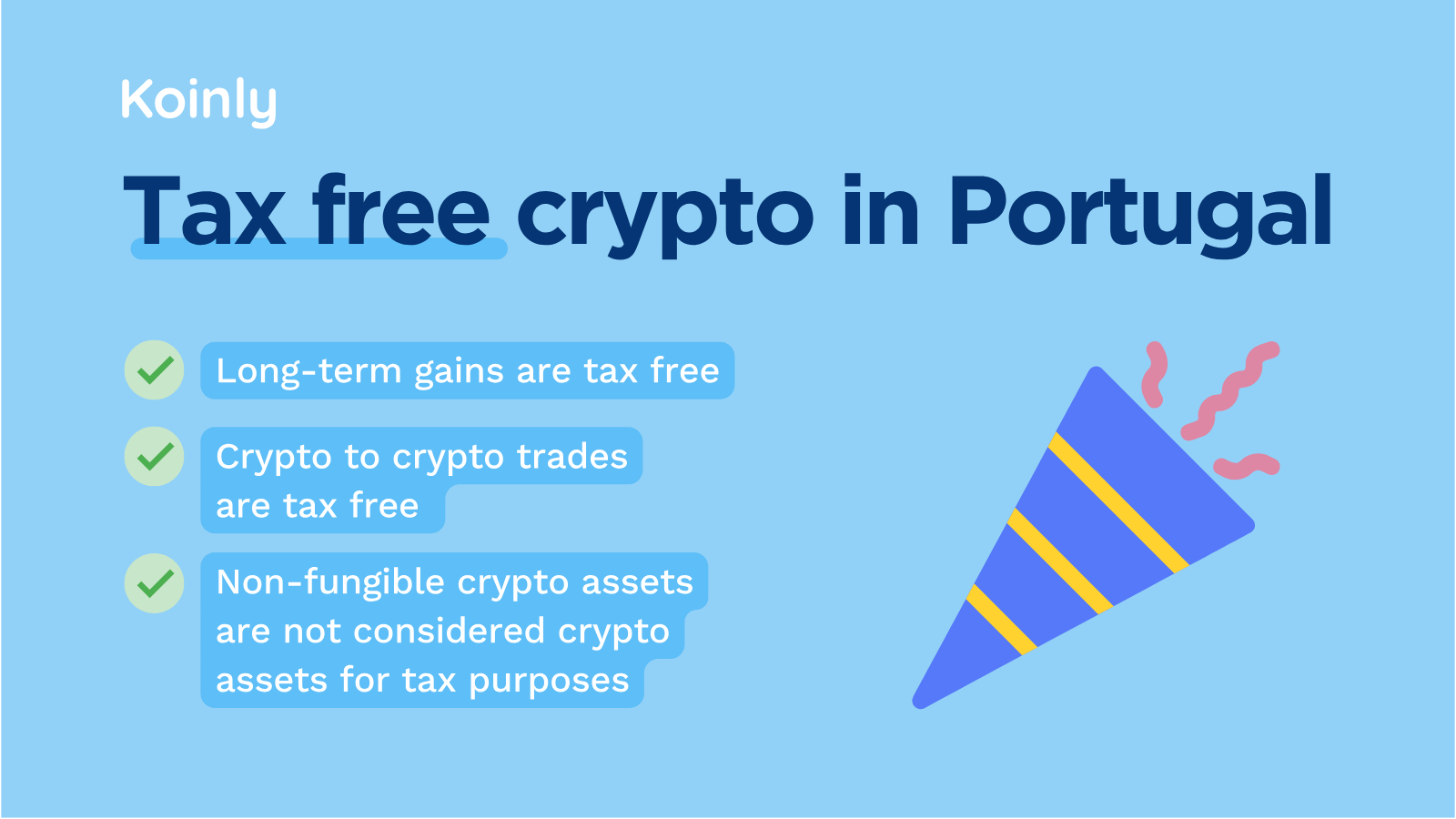
The government encourages long-term holding for the population as a whole. The primary way it does this is not charging any capital gains tax on those who HODL their assets for at least a year, assuming that’s not a specialized venture for them.. Anyone who makes a profit on crypto exchanges before that time frame on any swap involving fiat money has to pay a 28% tax.
As for people who obtain passive income off of their ventures have to pay 28%, and those who do it as a business have to pay up to 48% income taxes, with a potential standard deduction or corporate tax. There is no wealth tax in place. NFTs and gifts of crypto are, meanwhile, tax-free up to a certain value.
Crypto exchanges, wallets, and other service providers have to register with the Banco de Portugal to comply with AML and counter-terrorist financing laws.
EU Impact on IRS Crypto Declaration
This law, complemented by a host of others, is geared to enforce transparency, reporting, and stopping money laundering when declaring crypto in 2025. This is going to reshape the crypto ecosystem in Portugal and beyond.
MiCA 101
This is the first bill across the European Union to create a consistent legal framework throughout the union for crypto assets and crypto asset providers. A lot of areas have been undefined legally, like stablecoins, utility tokens, and security tokens.
Here are some requirements:
- Crypto companies must be licensed. They have to register and be approved prior to starting to operate in the EU.
- Stablecoin issuers have to keep 1:1 reserves and adhere to transparency rules.
- Consumer protection: exchanges have to clearly state the risks consumers take on and arrange mechanisms so that people are compensated.
- Market integrity; every nation has to institute anti-market manipulation and AML bills.
- Supervision: the ESMA of the EU will oversee that matters are enforced.
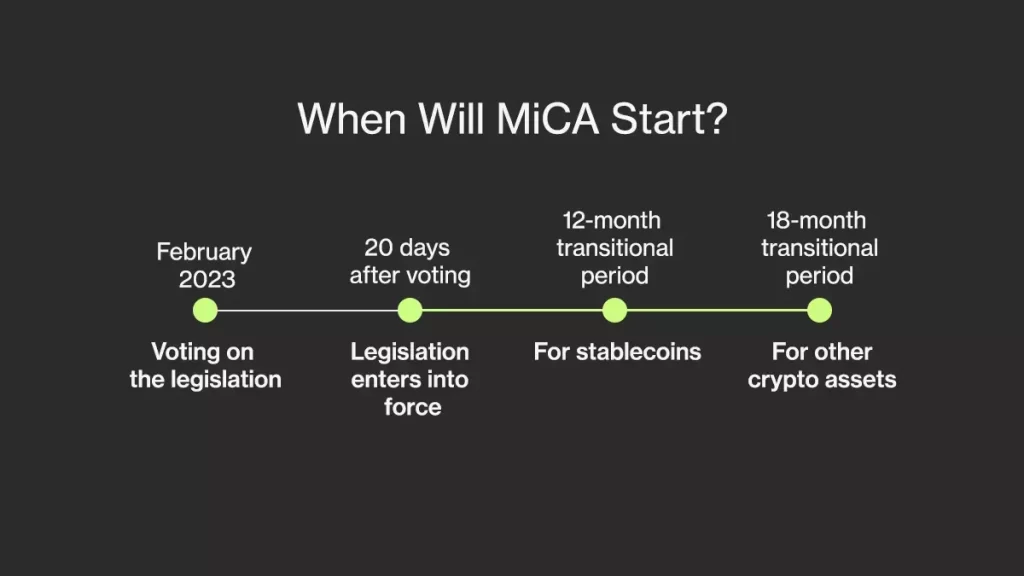
Though passed in 2023, the laws have primarily started going into effect in 2025. Other laws passed include amendments to the Directive on Administrative Cooperation, or DAC8, which focus on automatic reporting of crypto transactions to tax authorities, and Transfer of Funds Regulation, designed to enhance AML oversight.
Avoiding Mistakes
As MiCA tightens oversight and Portugal aligns with EU-wide rules, many investors are looking for ways to steady their financial strategy without exiting the crypto space entirely. Crowdlending through 8lends offers a practical way to do this. Instead of keeping all capital inside volatile markets, investors can allocate a portion toward interest-earning loans that fund real businesses.
8lends evaluates borrowers using a scoring model inspired by major rating agencies, giving lenders a clearer understanding of repayment risk. For anyone navigating a more regulated crypto landscape, diversifying into crowdlending can create a more stable income stream alongside long-term digital asset holdings.
Implications for Declaring Crypto in Portugal
Why these crypto tax laws’ impact is especially strong for Portugal is because it’s been one of the nations with the laxest laws regarding virtual cash, and now that’s taken a change. It was precisely around the time of MiCA’s passing that Portugal began to tighten up its own national laws, such as laws on capital gains tax, its Non-Habitual Resident program, and its Gold visas.
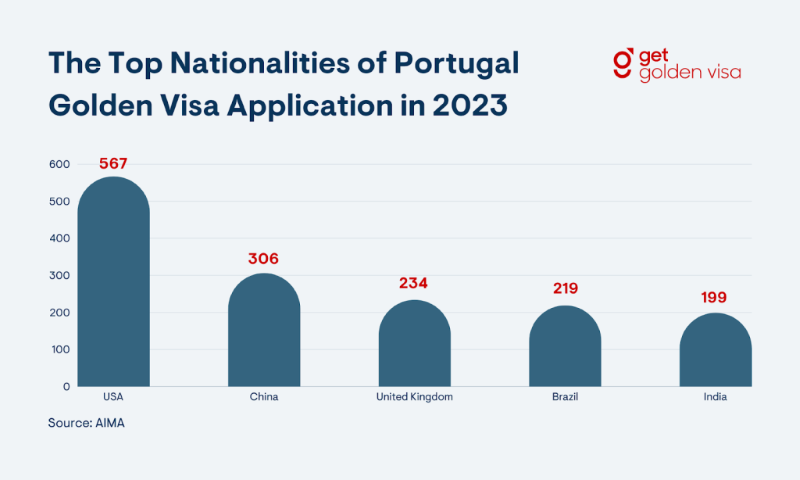
Now, proactive preparation is going to be essential. Businesses now have to assess licensing, capital, and compliance requirements and implement systems to track transactions and report accurately. Investors have to maintain detailed records of trades, holdings, and income, differentiating casual investments from professional activities.
Market Reaction
Compared to other member states, Portugal has been a bit sluggish in implementing MiCA since the federal government has run into delays implementing the law. So only slightly more than half of firms have actually obtained licenses, as is the case with Ireland and Greece. That said, EU-wide trading volume took a 24% leap this year, as soon as the law went into effect, with an overwhelming portion of consumers going with licensed firms.
Unlicensed ones saw almost half of their business disappear. 50% of new blockchain startups have followed MiCA, meanwhile, from day 1. Hedge funds, meanwhile, took a 35% leap. Conversely, platforms that remained decentralized declined. As for stablecoins, ⅘ of them now totally comply with the 1:1 reserve ratio and reporting laws.
The message is a full endorsement of the MiCA laws by European Union resident, voicing their unanimous approval of its new security guidelines and transparency.
Compliance
This new uniform legislation, which impacts 450 million people and thousands of businesses, is going to take a bit of time for people to confirm. ⅔ of investors have reported that they are unaware of the new laws, but ignorance will not get them out of fine penalties. That itself though will spread awareness and implement compliance. It’s projected that fraud will be cut 40%.
This is also going to substantially hike revenue for national governments. Nearly every centralized exchange is going to be subject to these new rules, even though adhering to the rules is going to cost them more money due to new tracking and security operations.
A major problem is that only ⅓ of investors actually do a good job of keeping track of their capital gains. So it’s expected that a lot of Portuguese are going to have to pay fines.
Growth
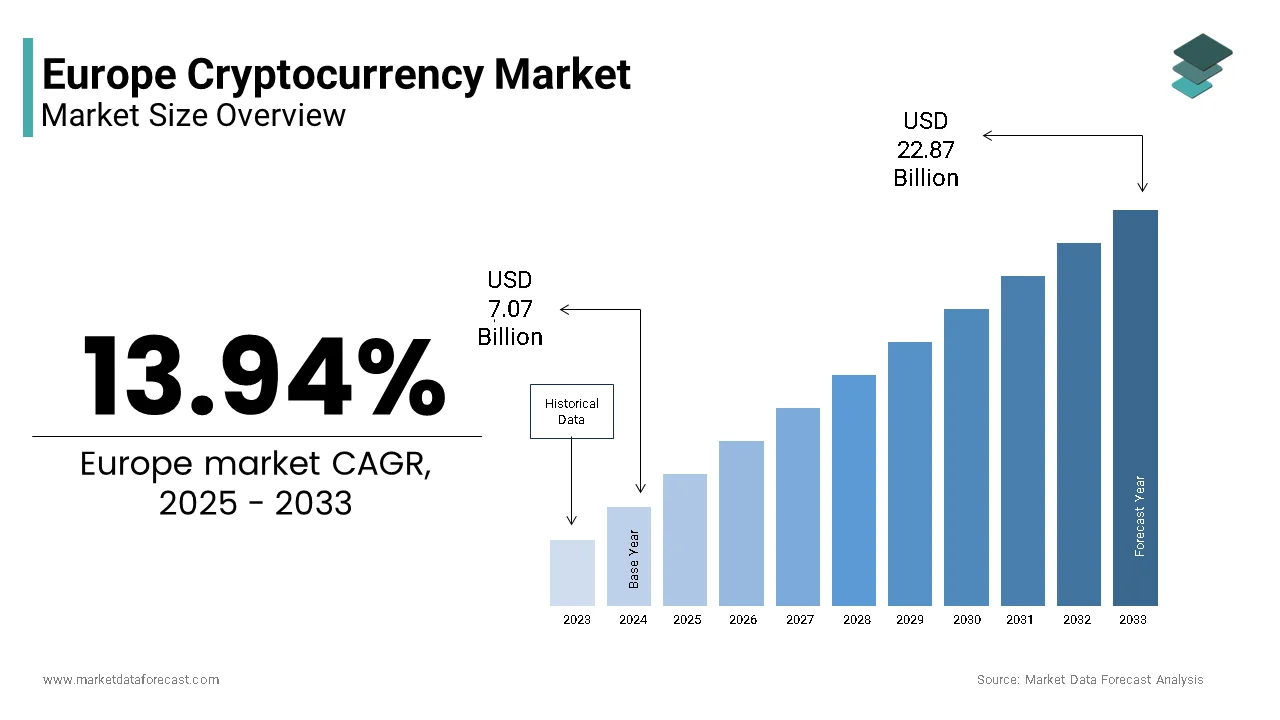
The current CAGR is 24.22%, so things are growing very vast, especially with the new enforcement mechanisms in place to protect consumers. Right now, the market is worth just south of 99 billion dollars. It’s supposed to quintuple to 556.14 billion when 2033 rolls around. A lot of revolutionary bank technologies, consolidated banking, and microfinancing will facilitate that. Portugal is going to be a leading nation bringing that market reality to life.
Right now, half of digital currency holders hold at least one type of stablecoin.
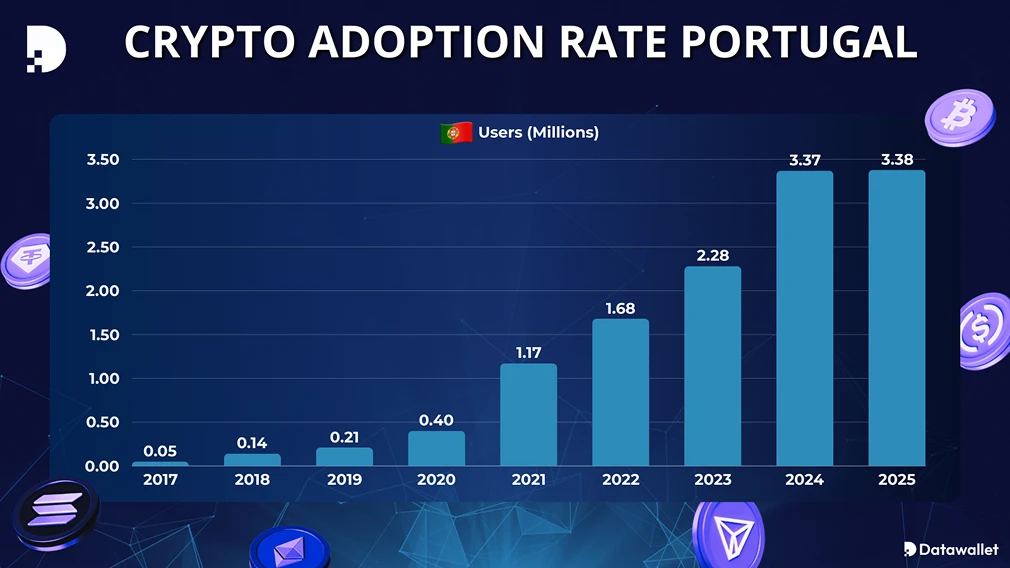
Implementing MiCA on Portuguese Soil
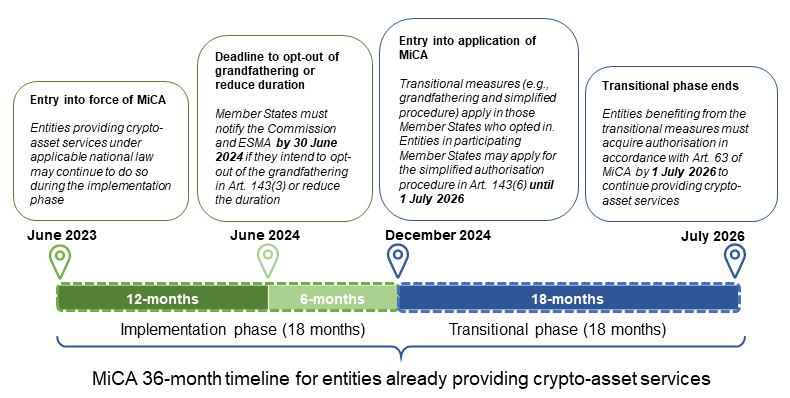
Portugal has set a 12-month period over which it will implement this transition, so things are just getting started. For now, CASPS are being allowed to operate under the laws that preexisted and apply for licensing from MiCA. By December 2026, all firms must have implemented the EU-level regulations.
Software can be used to give CASPS wallet screening and transaction monitoring tools. Internal controls are also another obligation to stop financial fraud from taking place.
IRS Crypto Tips for Portuguese Investors and Businesses
Both investors and businesses operating in Portugal now need practical strategies to ensure compliance, protect their assets, and continue benefiting from the country’s historically favorable crypto income tax environment.
The cornerstone of compliance under MiCA and DAC8 reporting requirements is detailed, accurate record-keeping. Investors should maintain clear logs of all purchases, sales, swaps, staking rewards, and any income derived from crypto activities. Businesses, including exchanges and wallets, must track every customer transaction, token issuance, and cross-border transfer.
Crypto Service Providers and startups
MiCA requires robust internal compliance systems. Companies now have to implement:
- Transaction monitoring tools to detect suspicious activity and prevent money laundering.
- AML/CTF reporting protocols aligned with both Portuguese and EU standards.
- Governance structures to ensure accountability and regulatory oversight.
- Security infrastructure to safeguard customer funds and data, enhancing consumer trust.
Conclusion
MiCA and related EU regulations are transforming Portugal from one of Europe’s most lenient crypto environments into a more structured and transparent one. Investors now need to be more disciplined with record-keeping, and crypto businesses must build solid governance systems to remain compliant. Even with these changes, Portugal continues to offer strong advantages for long-term holders, blockchain innovators, and startups that operate responsibly within the new framework.
For individuals who want greater stability while continuing to hold crypto, crowdlending can help balance out the uncertainties of a tightening regulatory environment. 8lends enables investors to earn steady, interest-based returns by lending directly to vetted businesses, providing a reliable financial complement to long-term digital asset strategies.