Crypto Declaration Preparation
Tax and crypto declaration depend on what method you plan to use to pay your taxes under Box 3 (Assets and Crypto), but you will give yourself a serious chance of saving big money by collecting all the transaction histories, statements, and information relevant to your crypto holdings – in wallets, locked up, or on some centralized platform. If you haven’t registered yet, go to digid.nl to get your username, password, and configured two-factor authentication, which could be through SMS messages or the DigiD app.
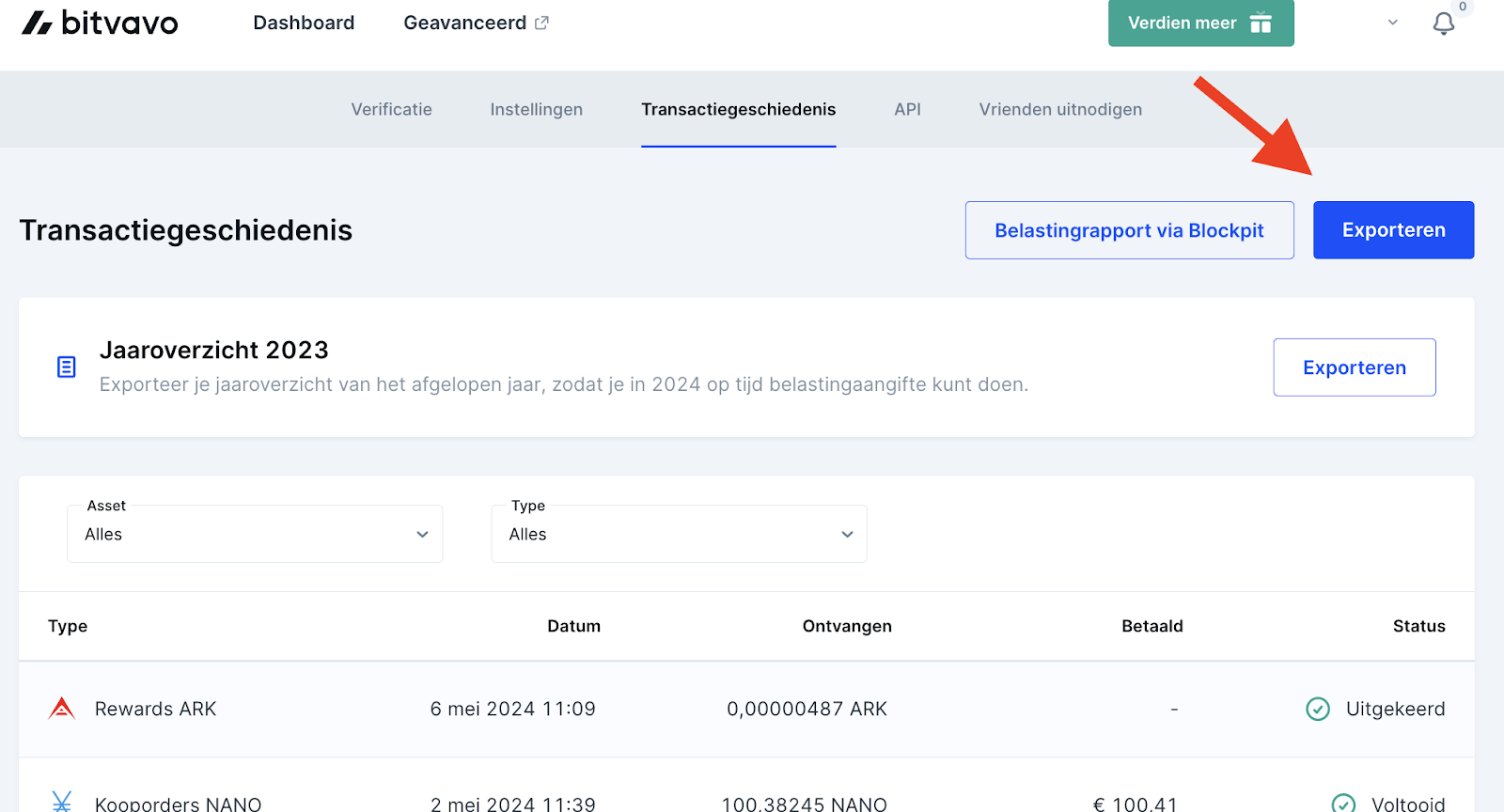
It’s best to conduct a spreadsheet or use a specialized software to account for detailed info on holdings:
- bonds
- stocks
- dividends
- ETFs
- Bitcoin
- Monero
- BNB
- XRP
- real estate.
For each of these different assets, note down holdings back on January 1st of the previous year and also for January 1st of this year, since Netherlands does not tax you for converting crypto into fiat currency, as most countries do, nor does it tax you on capital gains. Instead, it just taxes you on how much more total wealth you have out of all your assets as of January 1st this year, compared to last year. And if your net worth is above 57,000 euros, and you had gains, you will owe for wealth tax.
To reduce the taxable amount that you have to pay on, also be sure to scrounge together any documents and information revolving around liabilities and debts you’re currently paying off, because this will reduce your taxable wealth. This may include:
- personal loans
- mortgages
- credit card balances
- business loans
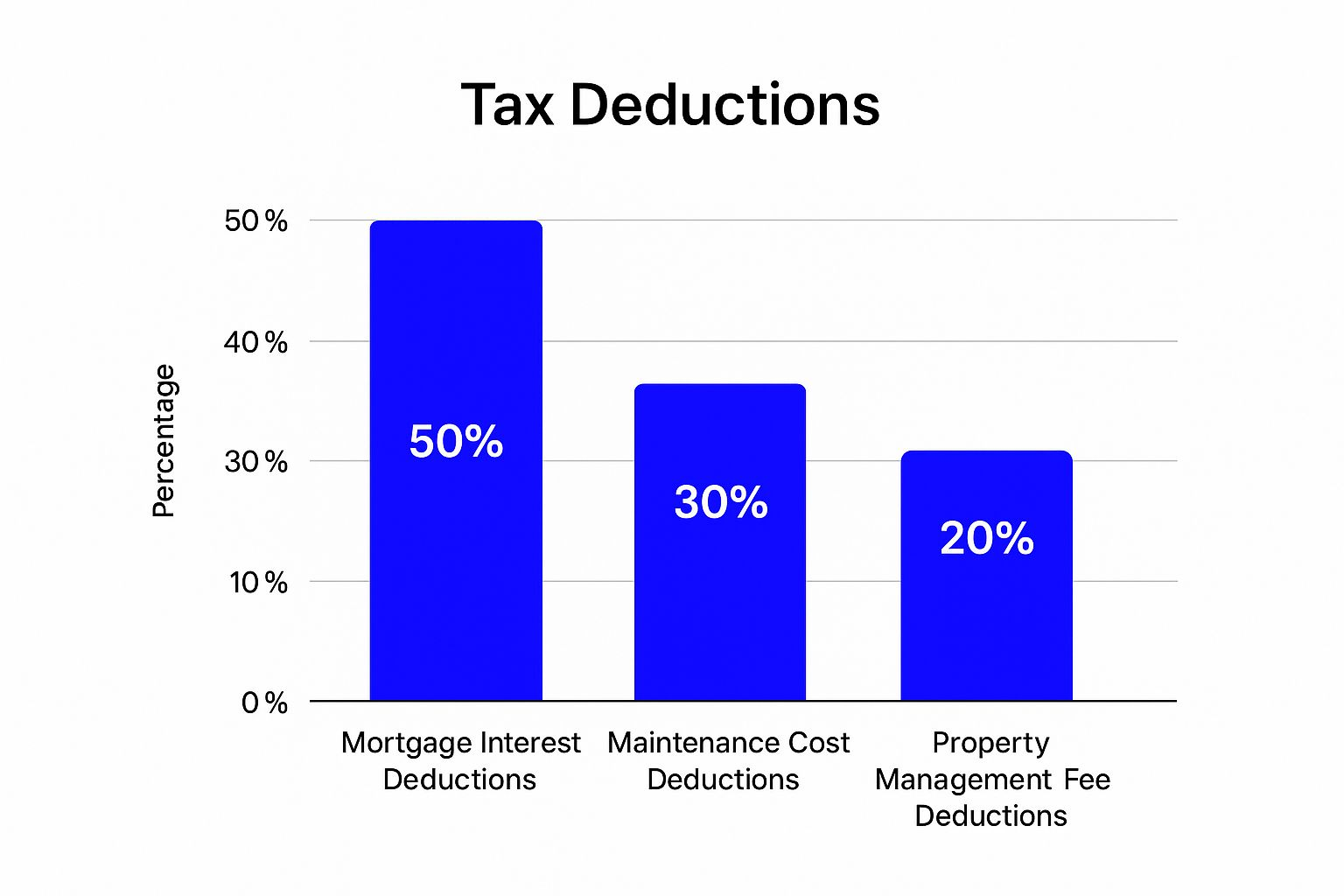
Charity donations can also reduce your tax burden if made within the 1-10% range. Furthermore, if you ever do get audited or there is doubt among the tax office that you are reporting the true figures, you better have the documents to prove it. The burden of proof is on you.
If you want to make your assets work harder while staying organized for tax season, 8lends is a great option. This crowdlending platform lets you earn interest by lending to verified borrowers, helping you diversify your portfolio and potentially increase returns. Tracking your 8lends activity is straightforward, making it easier to calculate actual gains for Box 3 reporting.
Accessing the Crypto Declaration Portal
Now that you’ve got the info you need, log in with your DigiD, and the earlier the better, because sometimes people need to make corrections, and you don’t want penalties for careless filing of your crypto declaration. You can file starting March 1st. May 1st is the deadline to avoid penalties and to be able to apply for an extension.
So the portal you want is at belastingdienst.nl.
- Look for the section labeled “Inloggen voor Particulieren” (Login for Individuals)
- Select the option to log in with DigiD.
- You will be prompted to enter your DigiD username and password, followed by your two-factor authentication code
- Retrieve that code via SMS or the DigiD app.
- You will see your personal dashboard. From here, select the tax year you wish to file for.
The portal will guide you to the Box 3 section, where you can report your savings, investments, and other assets, including cryptocurrency. The interface clearly separates assets into categories, which helps prevent misclassification between savings and other holdings.
It’s worth noting that the portal includes helpful prompts and explanations for each step. Hovering over information icons will give you context, such as the difference between presumed and actual returns, or how debts affect your taxable gains. The DigiD system also allows you to save your progress and return later if needed.
Crypto Profit Tax: Boxes 1 and 3
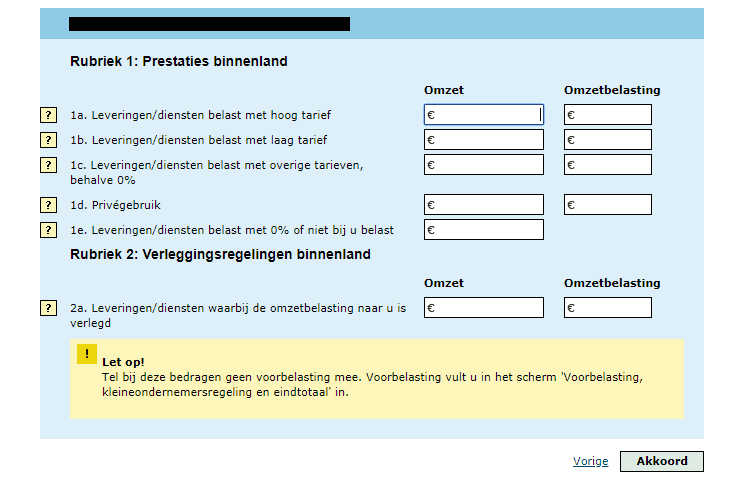
After filling out your basic information, in Box 1, you’re going to be prompted to report any freelance, business, or employment income that you’ve obtained for paying tax on crypto. This includes crypto, so if you have a well-oiled system, you’ve invested money in technology for crypto, or you have a business in the crypto industry, a significant share of that is going to belong in Box 1, which is going to account for over a third of that money, or nearly 50% if you are a high earner above 77,000 euros for the year.
Box 3 for Assets
Box 3, by contrast, is where you list assets as of January 1st this year relative to the same date the year prior. Here you declare whatever total value in euros you currently have that constitutes your net worth as of that time. That includes your savings, securities, stock, real estate, crypto tokens, etc. Crypto in particular goes in the “Other Assets” section of Box 3, since it’s deemed atypical compared to traditional assets. Yet it’s taxed the same way.
There are many crypto phenomena that do not yet have a Dutch law passed that’s governing them. This, however, will not rid the taxpayer of obligation to pay on them should an audit be imposed. Most types of earnings for ordinary, non-professional investors are going to be listed in Box 3. That includes liquidity pools, bounties, and mining.
Crypto Profit Tax: Presumed vs. Actual Gains
A rather important detail here is that Belastingdienst is in the middle of a transition away from an unconstitutional tax regime, in which taxpayers had their gains relevant to crypto profit tax simply assumed by the government, even if they suffered losses that year. The Supreme Court struck it down and continues to condemn the continued violation of residents’ human rights. So, currently, a situation persists in which using this payment method remains an option, but on the other hand, citizens also retain the right to fill in their actual returns and pay that way instead if they so choose.
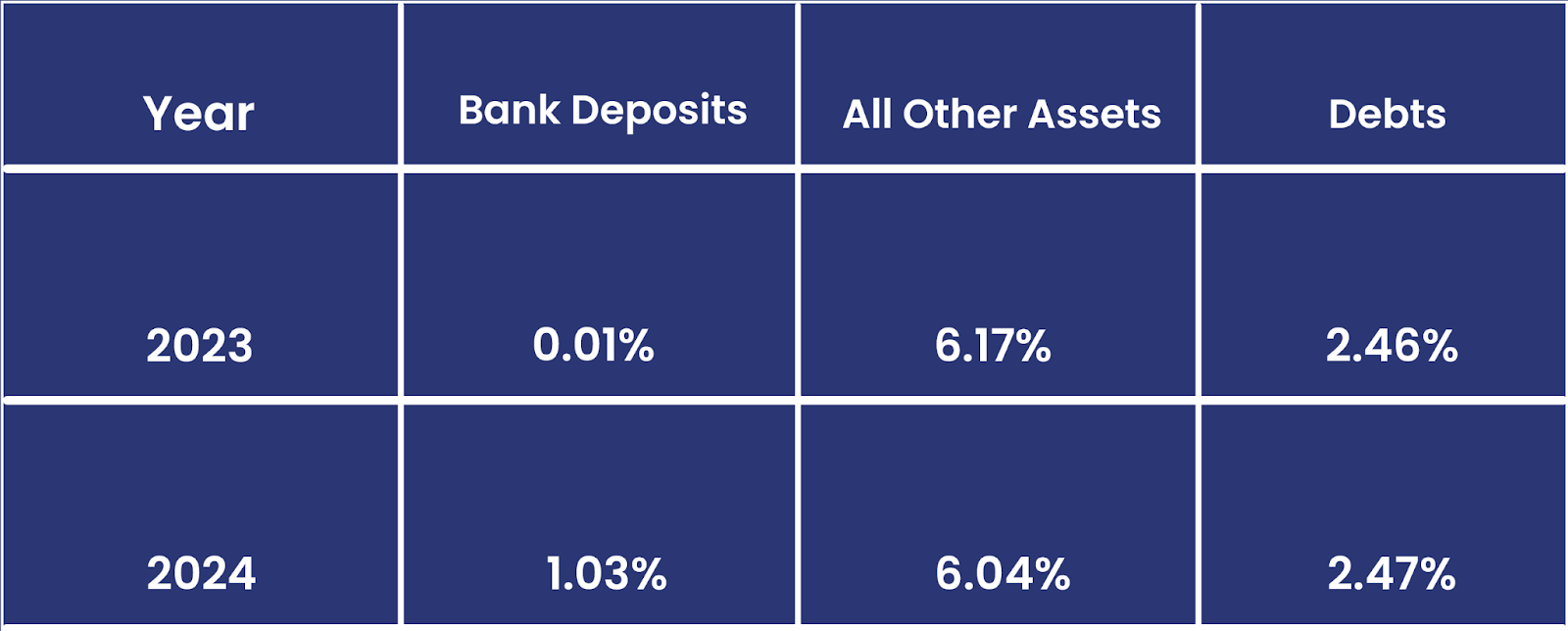
When calculating presumed gains for Dutch crypto taxes under Box 3, the system uses specific coefficients applied to different types of assets. The main variables and their rates are:
- Savings: the total value of cash and bank balances, multiplied by 0.92%.
- Other assets: this includes cryptocurrencies, stocks, and similar investments, multiplied by 6.17%.
- Debts: total liabilities such as loans or credit card balances, multiplied by 2.61%. This result is then subtracted from the combined gains of savings and other assets.
The presumed gains calculation works in a step-by-step manner:
- Multiply the value of your savings by 0.92% to get the presumed gain from your cash holdings.
- Multiply the value of your crypto and other investments by 6.17% to get the presumed gain from these assets.
- Add these two amounts together to get the preliminary total gain.
- Calculate 2.61% of your total debts and subtract this from the preliminary gain. This step accounts for liabilities and reduces your taxable base. Reduce it further by the deductible 57,000 euros.
- The resulting figure is your taxable presumed gain, which is then multiplied by the Box 3 tax rate of 32% to determine the final tax due.
Reporting Actual Asset Gains
Use the same formula but with your actual gains, losses, and deductions. First, total the real-world profits or losses from all assets over the year. For instance, suppose savings earned €100 in interest and cryptocurrency holdings increased by €500; the total actual gain is €600. Next, apply the debt adjustment by subtracting 2.61% of total debt. If debts total at €5,000, this equals €130.50 – leaving an adjusted actual gain of €469.50.
Finally, multiply this by the Box 3 tax rate of 32%, resulting in a tax liability of approximately €150. This method reflects the true performance of your assets, unlike presumed gains, which use fixed percentages.
Conclusion
Filing Dutch crypto taxes online using DigiD doesn’t have to be complicated. By carefully gathering your asset and debt records, understanding the difference between presumed gains and actual returns, and following the step-by-step process in the Belastingdienst portal, you can ensure your Box 1 and 3 filing is accurate, timely, and optimized. Start early to ensure that you avoid penalties and are able to request an extension in time should any hiccups occur.
Also keep in mind that using actual returns may reduce your tax liability if your assets performed below the presumed growth rates, while keeping meticulous records will protect you in case of audits.
For those looking to make their assets work smarter, give 8lends a try. This crowdlending platform allows you to lend to verified borrowers, diversify your portfolio, and earn interest, all while keeping clear records that can help with your Box 3 calculations. Whether you’re optimizing your crypto returns or building a broader investment strategy, 8lends is a practical way to grow your wealth responsibly.