
The Real Cost of Losses for Spanish Investors
These people face sharp value swings. A big gain in one annual stretch is very often followed by heavy deficits the next.
Take 2021, for example. Bitcoin averaged over €40,700 by the end of the period. The value then dropped to about €15,500 by the end of 2022. More than 70% of virtual cash holders in Spain reported squandering money when filing their returns in the same period. Most ended up paying more to the government than they should because they lacked clarity on the country’s regulations.
Spanish law does allow decreased assets to reduce taxable income. However, recent changes limit how and when that depletion gets to be applied. This is especially important for the blockchain sector with its unpredictable income and large drops. Investors’ state debt bills may not reflect their real financial situation if they are unable to mitigate what they lose.
The issue goes even further for businesses such as exchanges and mining operations. Such entities work across borders and rely on credits and offsets to keep state liability fair. Cash state payments rise when limits are placed on these tools. It thus becomes hard to manage costs in the fast-moving digital assets market.
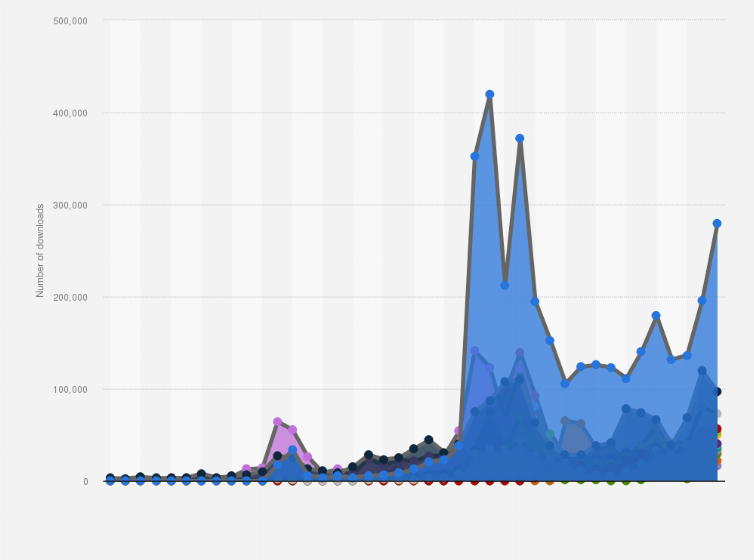
Below is the annual rate of virtual wallet downloads in Spain.
Recent Law Changes
Spain brought in Law 7/2024 on December 21, 2024, to set fairer taxes and boost government revenue. This new regulation has reshaped how companies are able to utilize government debt and foreign credits. The changes were introduced after earlier limits were struck down by the Constitutional Court.
The new law now sets strict limits on how much past decreased cash may relieve taxable income. Companies with annual revenue between €20 million and €60 million may only use decreased assets to cover up to 50% of their income subject to duties. This cap drops to just 25% for those earning more than €60 million. The previous €1 million minimum allowance still applies, but the limits make it harder for big firms to balance deficits with profits.
Law 7/2024 also restricts foreign credits. Large companies only get to utilize them to offset up to 50% of the government debt in Spain. On top of that, there is an extension on the temporary regulations that limit how much of a group’s current-year depletion is able to be included in consolidated filings through 2025.
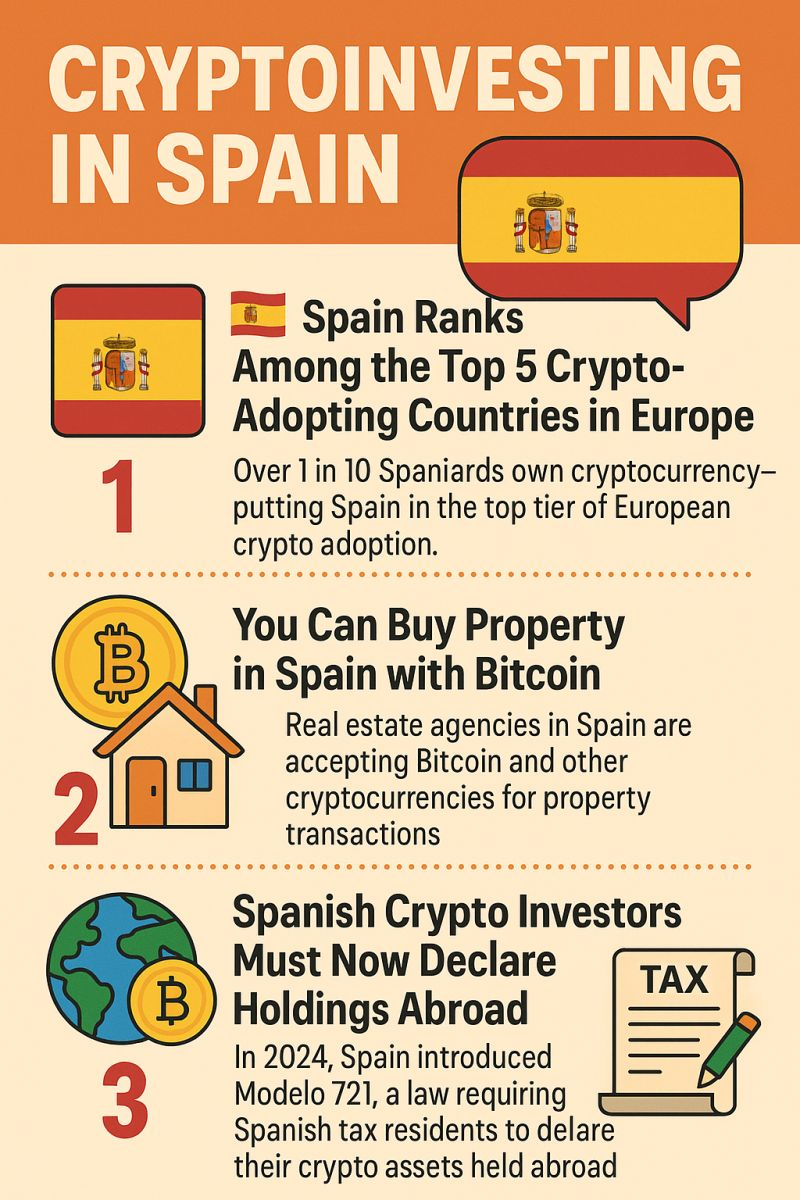
Navigating these new limits can be tricky, especially for traders and firms dealing with fluctuating blockchain income. That’s where 8lends changes the game, a crypto tax solution built to help Spanish investors and companies apply offsetting rules, optimize carryforward use, and stay fully compliant with Law 7/2024. Whether you handle cross-border operations or personal digital assets, 8lends makes tracking, reporting, and minimizing state obligations seamless.
Minimizing Decreased Capital
Spain treats virtual money gains and depreciation much like other capital income. Any profit you make has to be paid on. But if you sell at a deficit, you get to utilize the deficit to reduce the income you have to pay on. This is what is referred to as offsetting, and it primarily balances out profits from other blockchain transactions.
Suppose a company made €10,000 from one trade but lost €4,000 on another. Only €6,000 would be subject to duties in this case. The mitigation process makes sure your state obligation reflects your real net gains instead of paying on every winning trade on its own. It isn’t without limits, as you’d expect.
Decreased value reduces gains in the same period. However, the extra amount doesn’t disappear if they are bigger than your wins. You may be able to carry it forward to future 12-month stretches.
Four-Year Carryforward
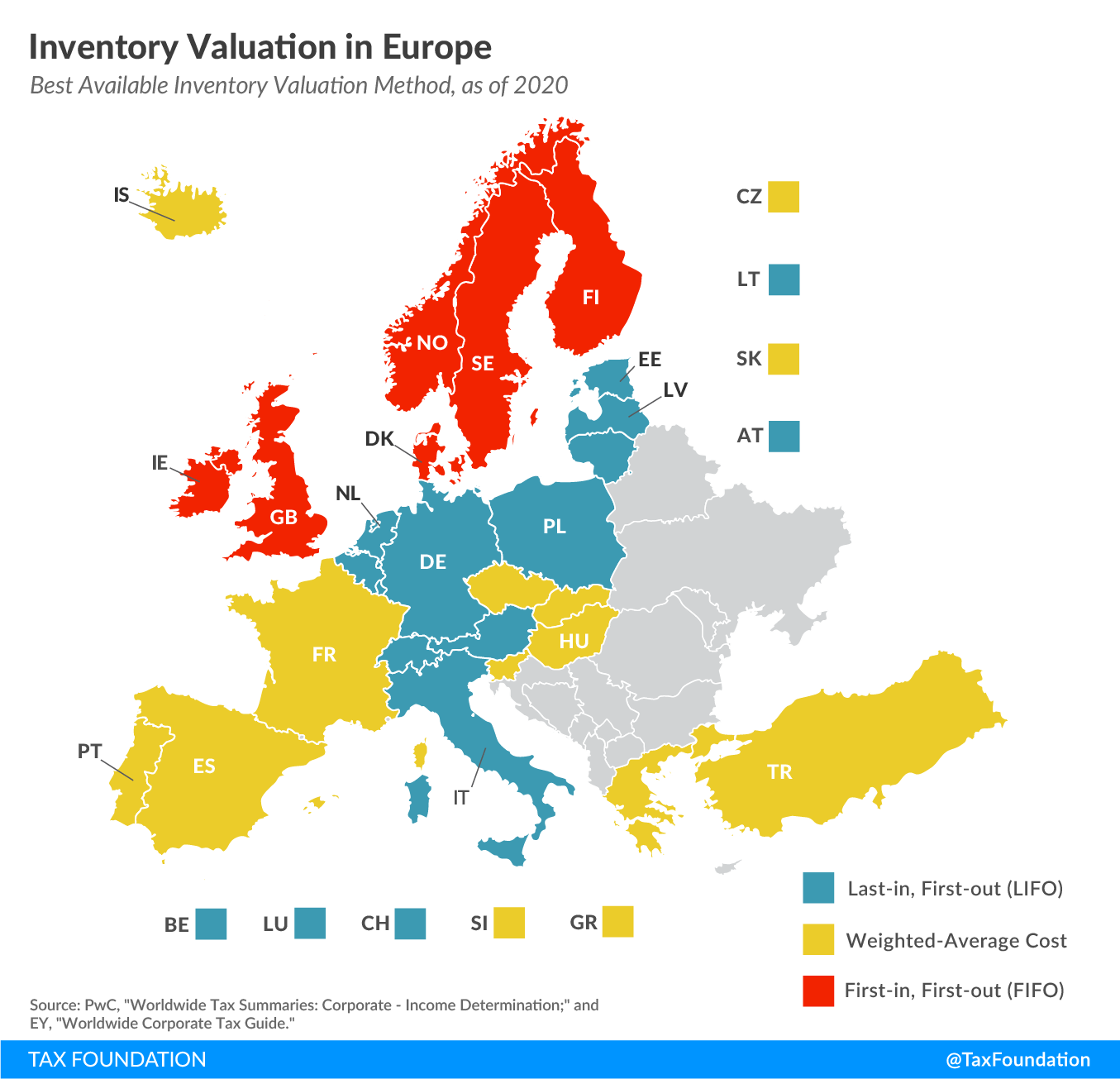
A situation where your virtual money losses are larger than your wins in a given year is often distressing. But you get to carry the extra depreciation forward for up to four years. That past depreciation may not offset future profits and reduce your government debt when the market turns in your favor.
Suppose you lose €5,000 in 2025 but only have €2,000 in wins that stretch. You can use the remaining depleted €3,000 against profits you make between 2026 and 2029. The depreciation expires if you do not apply them within that time.
Blockchain investors are among the biggest beneficiaries of the carryforward rule. The savvy ones are using it to beat the market volatility and maintain a more balanced position on state fiscal liability. Notably, the duration matches the country’s statute of limitations for duties. This period lasts 48 months from the day after the deadline for submitting the return. However, the clock may be reset if the government revenue office takes formal steps or if you file a late return.

Disclosure Is a Requirement
Yes. Anyone dealing with virtual cash must follow new disclosure requirements. These regulations have been in effect since 2023. They affect:
Local activity
Individuals and companies within the country are obliged to disclose exchanges. This condition also covers local branches of foreign firms. They must report this activity to the tax authorities whenever they manage private keys for others or help clients store and transfer their digital assets.
Exchanges and new offerings
Spanish residents and local branches of foreign firms must follow reporting rules if they exchange virtual cash for national currencies or swap one digital currency for another. This also applies to trade middlemen and those who keep private keys safe for clients. You must also report if you launch new coins through initial offerings.
Coins held abroad
People and business entities must also report virtual assets kept outside the country. You must heed this regulation if you own and benefit from the assets or have control over them. This requirement also covers coins stored with providers that hold private keys for clients to help them manage or transfer their digital currencies.
Historic Limits
Historic lost value will not always reduce your burden. Take the following situations:
- An individual or group of related entities may purchase most of a company’s shares or rights after the annual period ends. However, the depreciation from those 12 months won’t be applicable to the carryforward. The change in ownership makes prior negative bases lose their relevance for offsetting current accumulation.
- The associated individuals or entities may not use a deficit to offset future profits if they owned less than 25% of the company’s shares at the end of the annual period when the loss was generated. The fact that they had minority ownership during the down year disqualifies them from applying the previous negative tax base.
- The purchased company experiences one of the following situations:
- It did not carry out any economic activity during the three months before the acquisition.
- It began a new activity in the 24 months following the ownership transfer and generated a net turnover exceeding 50% of the average from the prior 24 months.
- It’s considered a patrimonial entity under Article 5.2 of the LIS.
- The company was struck from the official registry after missing an IS declaration for three consecutive periods of public payment.
Practical Tips to Reduce Your Fiscal Burden
Track all your trades
Every crypto move counts. Even the small ones often leave a huge impact. So keep notes of the crucial insights so you always know where you stand. The dates, prices, and amounts are among the most notable. You’ll make fewer mistakes and save more if you have good records.
Claim credit on lost assets early
Those assets lost won’t last forever. They’ll typically vanish after 48 months, and you won’t be able to apply them to your accumulation. Don’t let them go to waste in the name of waiting for the perfect profit. Use them to cut your public debt as soon as possible.
Balance wins and losses in the same year
Did you bag a big win? Great. Now pair it with a losing trade before the annual stretch is over. The fiscal office will take less from you if you offset promptly.
Claim the €1,000,000 allowance if applicable
Businesses get a free pass on €1 million of income each period. This is yours, no matter the new limits. You’re leaving money on the table when you do not claim it.
Consider group structures carefully
Investors running multiple entities are well-positioned. The laws only let you use half of those annual deficits right away. The rest stretch over ten years. Create a future-proof plan to avoid nasty surprises.
Work with professionals
Public debt off of digital currency changes fast, and you can’t afford to miss a detail. Collaborate with a seasoned consultant to identify the loopholes and beat the traps.
Plan ahead for Volatile Markets
The Spanish crypto market is as unpredictable as it gets. A big profit one month can easily turn into a loss the next. Such swings create real challenges when it comes to state liability.
The strict regulations there now limit how and when virtual cash holders can use their down years to relieve their fiscal burden. You must plan carefully. Investors who lack a clear strategy may pay more to the government than they should in good stretches. They’ll also fail to benefit from the deficits experienced in bad times.
One of the best steps is to regularly review your portfolio before the end of the annual period of duties. Timing matters, so consider selling a losing position in the same period as a winning one to balance your appreciation and reduce your income that you pay on.
It is also important to keep track of depreciation that carries forward since they expire after 48 months. You don’t want to lose your valuable deductions.
Conclusion
Crypto businesses should focus on cash flow. Firms may face higher upfront tax payments due to the new limits on deficits offsets and foreign credits. Ensure you plan ahead to preserve liquidity in the constantly volatile crypto market.
Lending interest and capital gains follow separate rules, which is where most reporting mistakes start. The comparison across EU jurisdictions is set out in how P2P and crowdlending income is taxed in Europe.
Read next on 8lends
The volatile Spanish crypto market and strict rules mean every loss matters. 8lends helps you take control by providing crypto tax solutions that work across borders. From accurate trade tracking to applying carryforward rules and maximizing offsets, 8lends ensures your portfolio is optimized and compliant. Whether you’re an individual investor or managing multiple entities, get actionable insights and professional support tailored to your needs.