

2025年9月11日5 分钟阅读
无论你的借贷平台多么出色,它从一开始就不可能十全十美。最优秀的平台从来不是凭空打造出来的。它们是随着时间推移,根据真正使用它们的人——也就是你的借款人和出借人——不断被塑造和重塑的。这正是反馈循环发挥作用的地方。如果你对这个词还不熟悉,别担心。我们会把它拆解开来,聊聊它为什么重要,并展示平台与用户之间持续、深入的对话如何能真正改变每个参与者的处境。所以,来杯咖啡,放松一下,我们来聊聊反馈。
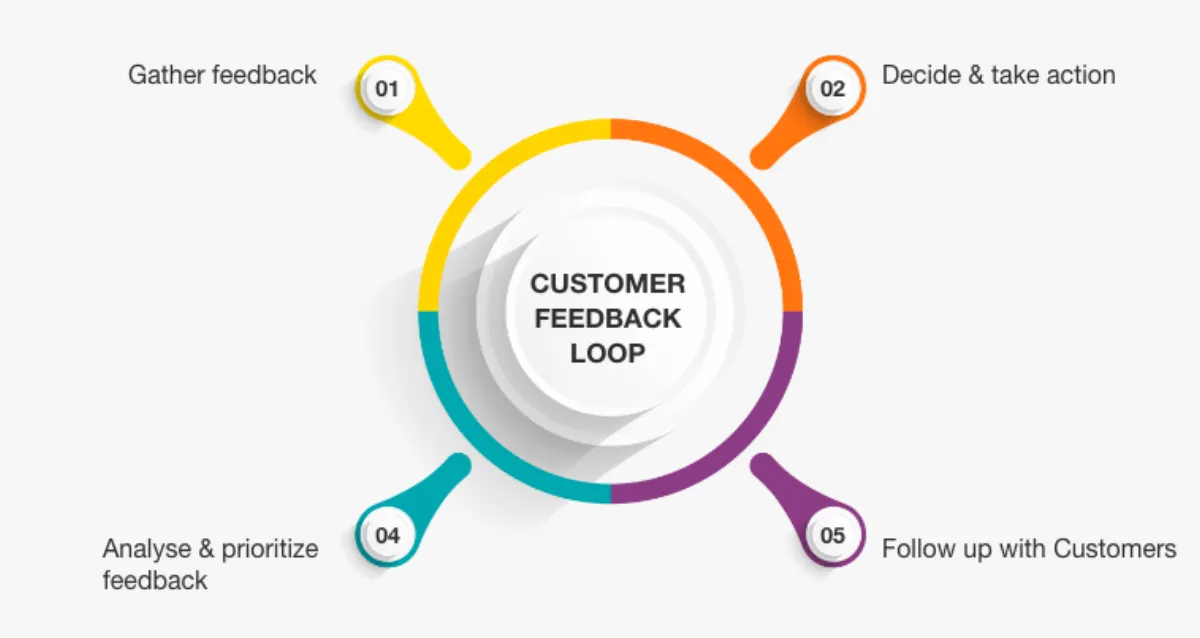
First Off, What Is a Feedback Loop?
Think of a feedback loop like a conversation that never really ends. A borrower or lender uses your platform, they share their experience (the good, the bad, and the ugly), and then you take that information and use it to make things better. That improvement gets noticed, and the user feels heard. They trust you more. They give better feedback. And the loop keeps going.
In short:
Use → Feedback → Adjust → Repeat.
It sounds simple, but this little cycle can be the backbone of platform improvement. Without it, you're guessing. With it, you're building something people actually want to use.
One of the popular technologies people use today is crowdlending. They extend credit to people who are creditworthy yet would’ve had no access to it previously, as well as protecting lenders against defaults by providing collateral. One such platform is 8lends.
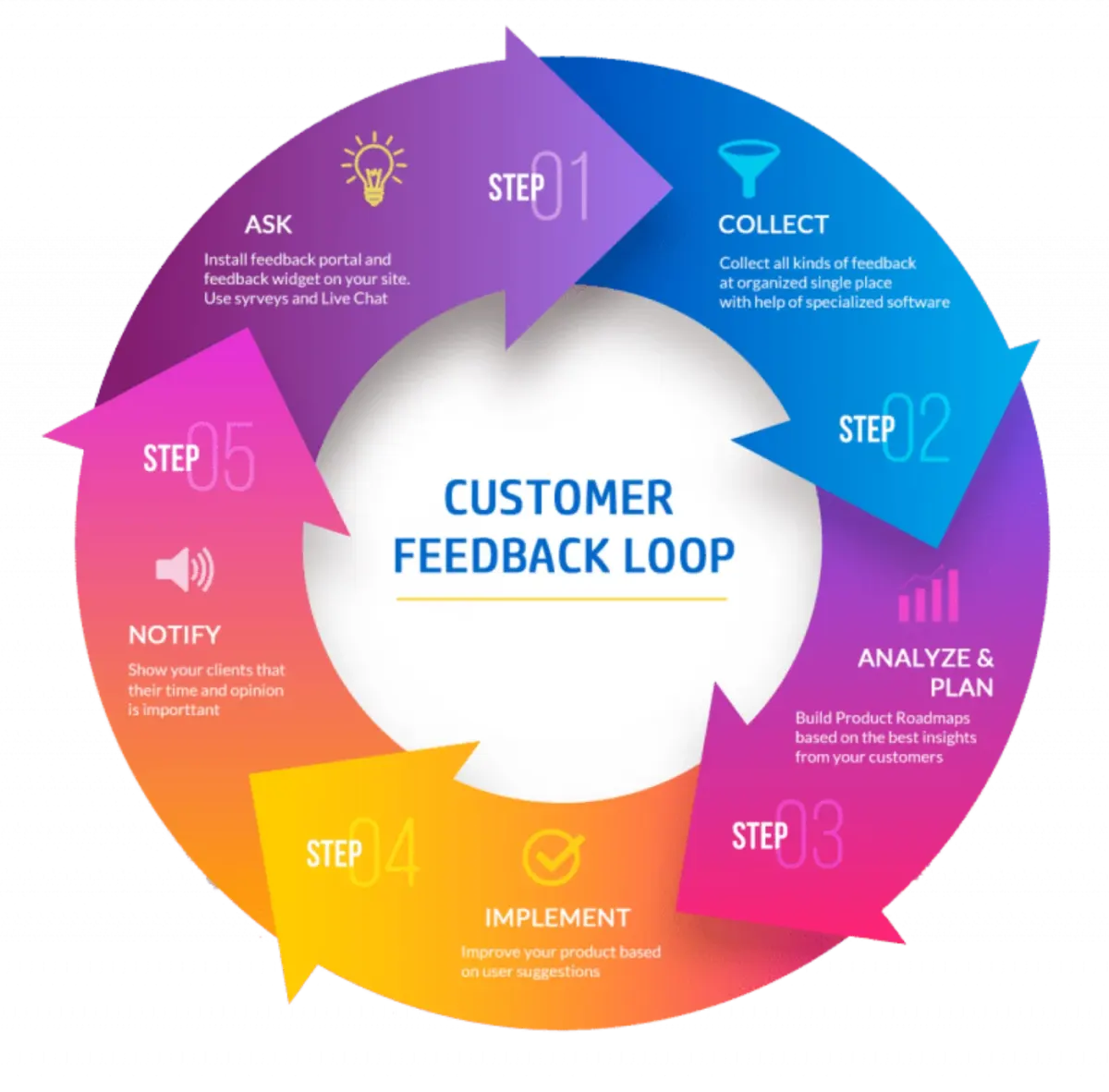
Why Feedback Loops Are Game-Changers
You might think feedback is just about fixing bugs or answering complaints. But it goes way deeper than that. Feedback loops help platforms to build trust, identify real pain points before they become a problem, create features people actually need, retain users, and spot trends in user behavior. In an industry where competition is fierce and trust is fragile, these things matter.
Borrowers: The Voice of the Everyday User
Let’s start with borrowers. These are your day-to-day users, the ones taking out loans, navigating repayment plans, and hopefully paying everything back on time.
When borrowers give feedback, they often highlight things like:
- Confusing language or loan terms
- Poor user experience during onboarding
- Issues with repayments or account visibility
- Lack of reminders or support options
- Frustration with customer service delays
Now here’s the rub: if even one borrower brings something up, there’s a good chance ten more are experiencing the same issue and just haven’t said anything. So don’t shrug off a complaint. See it as a clue. Also, borrowers are usually super honest. They’ll tell you when something is not working. They’ll also tell you what worked great. Both are gold.
Pro tip:
Add a short “Was this helpful?” button next to your key platform features or explanations. It’s a low-pressure way to gather insights fast.
Lenders: The Investors You Can’t Ignore
Lenders may not log in every day like borrowers, but when they do? Their feedback can be just as valuable. These are the people putting real money into your platform. If they feel like something’s off, or their returns aren’t lining up with expectations, they’ll either tell you, or quietly walk away.
Here’s what lenders tend to flag:
- Lack of transparency about borrower risk
- Delays in repayment or unexplained losses
- Difficult-to-understand reporting dashboards
- Poor communication during platform issues
- Concerns about default rates or platform stability
Platforms that listen and respond to lender concerns build stronger reputations in the investment space. And that means more capital flowing into your ecosystem. And let’s face it: you want both sides of the marketplace happy. If one side’s struggling, the whole thing wobbles.
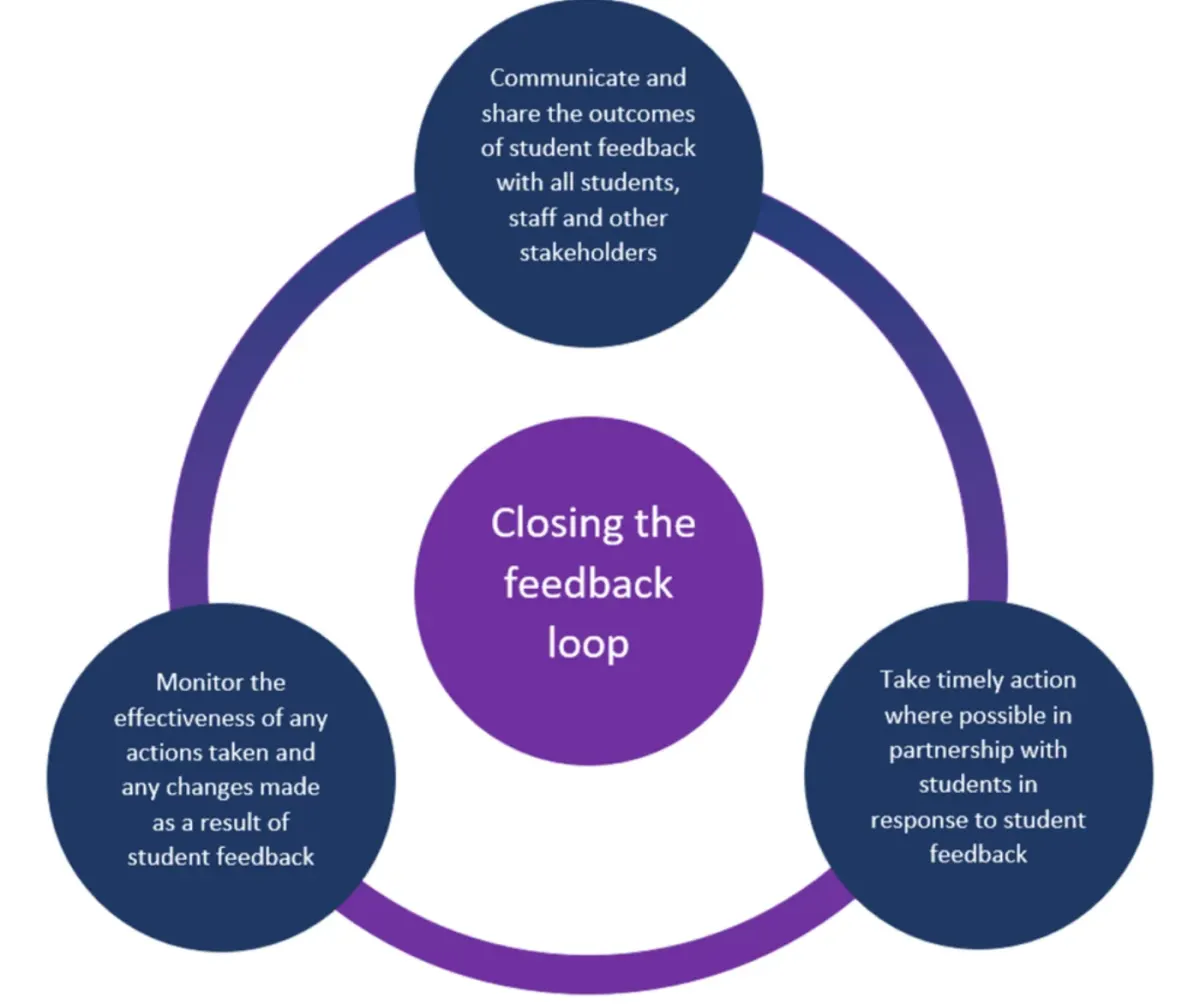
Closing the Loop: What Happens After Feedback?
Okay, so let’s say you’re collecting feedback. Nice work. But what happens next? If the answer is “nothing,” then what’s the point?
Feedback without action is like asking someone how they feel and then ignoring their answer.
Here’s what good platforms do after they get feedback:
- Acknowledge it; Let the user know you heard them.
- Prioritize it; Not every request needs to be solved immediately, but at least categorize it.
- Act on it; When something’s clearly broken or annoying, fix it.
- Communicate improvements; This part’s huge. Let users know that their feedback made a difference.
That last one is where most platforms drop the ball. Don’t let that platform be you.
Real-World Example: A Tiny Tweak That Made a Huge Difference
There’s this mid-sized P2P lending platform, and for months they kept getting vague complaints about their repayment notifications. Nothing too dramatic, just people saying things like “I didn’t see it” or “I missed the reminder.” It turns out, the email subject lines were super generic, like “Monthly Update from Platform.” People were just ignoring them.
After digging through borrower feedback, the team changed the subject line to:
“Your Loan Payment is Due in 3 Days – Avoid Late Fees”
Open rates jumped. So did on-time payments. And the number of support tickets dropped by 23% the next month. Just from a single tweak.
That’s the power of listening.
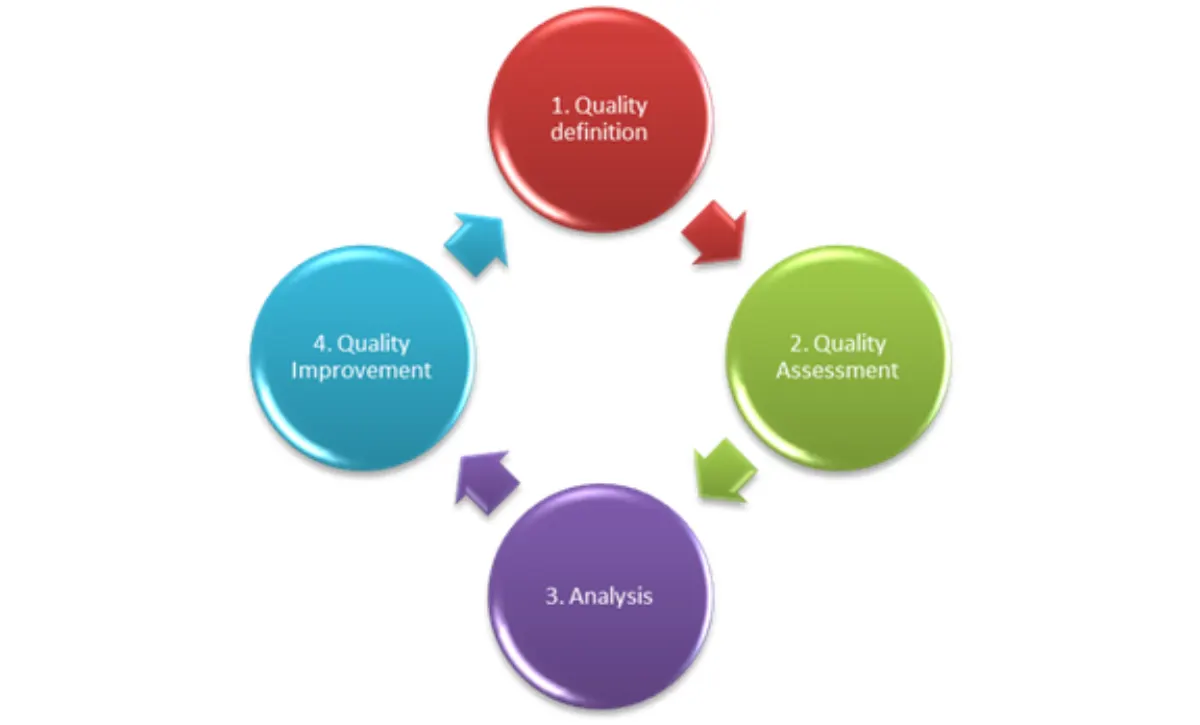
Feedback as a Community Builder
One thing that often gets overlooked is how feedback loops create community.
When users see their ideas being implemented, or even just acknowledged, they start to feel like they’re part of something. They’re not just customers anymore. They’re contributors. Stakeholders. Partners.
Some platforms even run community polls or beta groups to test new features before launch. Not only does that produce better outcomes, but it makes your users feel valued.
It’s a lot harder to leave a platform that treats you like a partner than one that treats you like a number.
So, What Should You Be Doing Now?
If you’re not already building feedback loops into your platform, don’t stress. You can start small. Here are a few ideas:
Simple ways to collect feedback:
- Quick surveys after actions (e.g. “How was your loan application experience?”)
- Anonymous comment boxes inside the dashboard
- Monthly email asking users what can be improved
- Social media polls (you’d be surprised how well those work)
Tools that help:
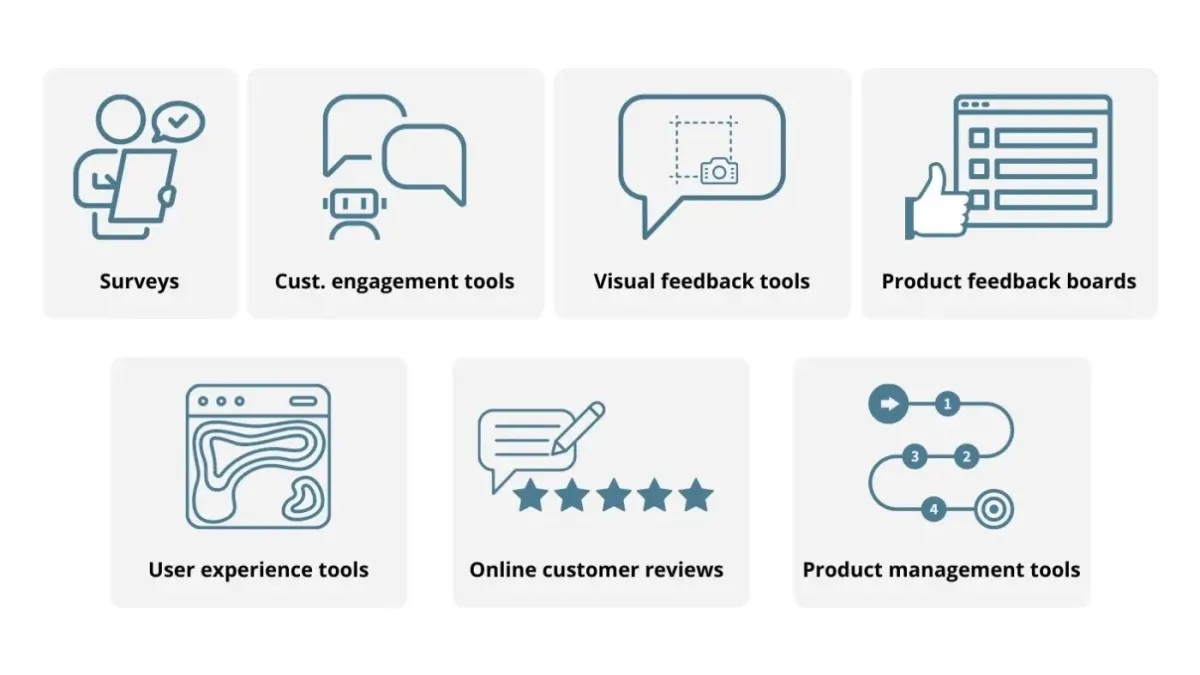
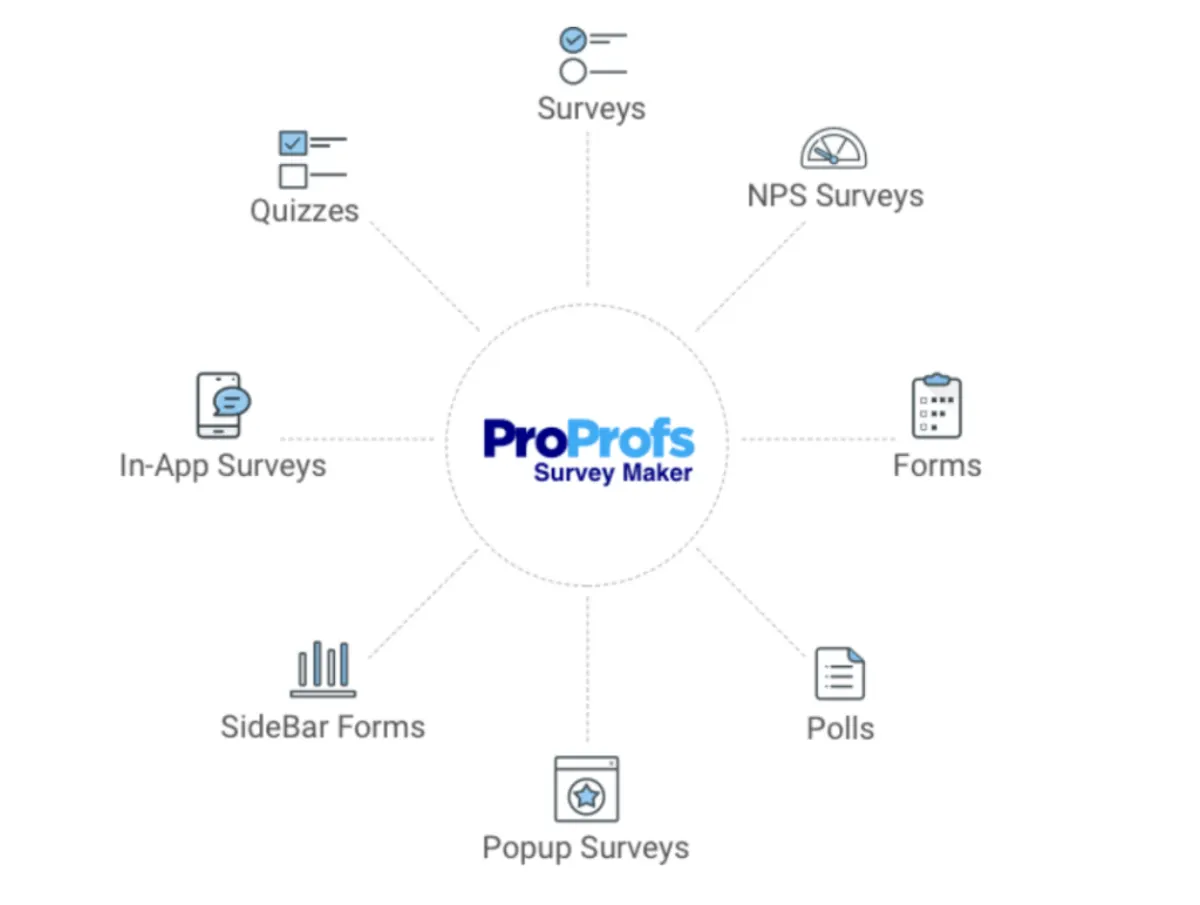
- Typeform or Google Forms for surveys
- Intercom or Zendesk for tracking support feedback
- Productboard for managing feature requests
Feedback you should act on:
- Repeated complaints about the same issue
- Confusion around payments, timelines, or fees
- Suggestions for obvious improvements (like better navigation or clearer terms)
- And always, thank your users for their input. Even if you can’t act on it right away.
A Quick Note on Negative Feedback
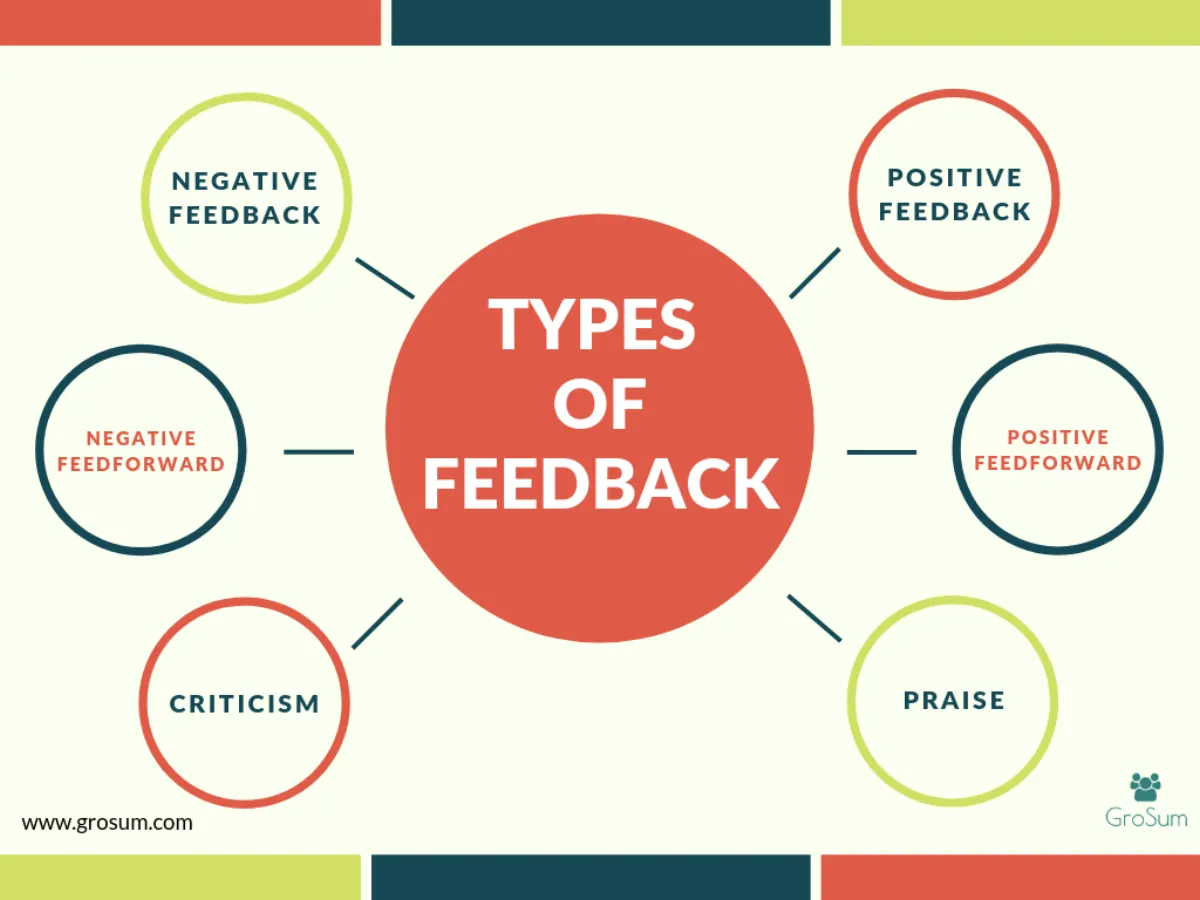
There is no denying that negative feedback stings. No one likes being told their platform isn’t living up to expectations. But it’s better than the alternative: silence. When users stop complaining, it usually means they’ve already checked out. If they’re still talking to you, they’re still hopeful. That’s your chance to turn things around.
Don’t take complaints personally. Take them seriously.
Final Thoughts
Borrowers and lenders are your best critics, your most loyal users, and your smartest advisors, if you let them be. Creating strong feedback loops isn’t just good customer service. It’s how great platforms are built and refined. When you listen, act, and close the loop, amazing things happen. Trust grows. Features improve. People stick around. And your platform becomes more than just a tool; it becomes a trusted part of someone’s financial journey.
So if you haven’t been taking borrower and lender feedback seriously, now’s the time to start. Open up the lines of communication, make it easy to speak up, and show people their voices matter. Because, at the end of the day, the platforms that succeed long-term are the ones built with their users, not just for them.
If you’re interested in uses a crowdlending platform with efficient communication, 8lends codes every detail of the transactions on the blockchain and establishes immediate channels for lenders and borrowers to easily interact while keeping risk to the minimum and opportunities to the maximum.
接着读



有任何疑问吗?
全部问题平台已通过 CertiK 和 Cyberscope 审计,所有交易在 Base 区块链上公开可查。平台背后是两家职责清晰的公司:CLEARCHAIN CORP 负责平台运营,并在加拿大以 Money Services Business 身份在 FINTRAC 注册;Maclear AG 负责尽调与抵押物监管。平台受到良好监管,公开透明且责任清晰
若项目带有 BuyBack,逾期满 60 天后合作方将买断贷款并返还 100% 本金。若无 BuyBack,Maclear AG 将启动抵押物出售,所得按比例分配给投资者。平台上线以来从未发生违约
平台由 CLEARCHAIN CORP 运营,其在加拿大注册为 Money Services Business(MSB),并须在 FINTRAC 下履行强制性 AML/CFT 合规要求。结算以 USD 进行。平台并非 CASP,因此 DAC8 要求不适用
发展中地区的中小企业难以获得银行融资,愿意支付比欧盟或美国企业更高的利率
到期前可在二级市场将头寸卖给其他投资者。Fastlending 没有固定期限:本金和收益随时可提取
最低投资额为 100 USD
企业不还款的风险、抵押物价值波动的风险、二级市场无买家时的流动性受限风险,以及智能合约相关的技术风险
100 至 500 USD 的投资无需 KYC。超过 500 USD 需完成完整认证:身份证件和地址证明