
Cryptocurrency Tax Government: Prudent Investors
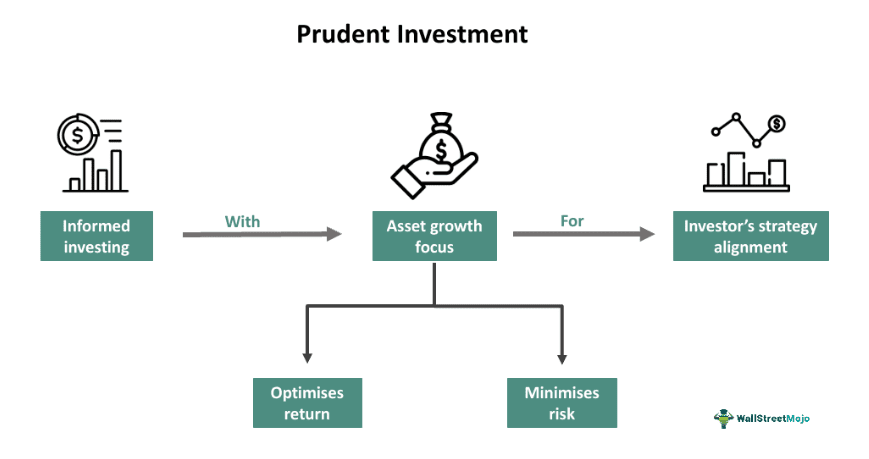
As for buy crypto tax, the SPF likes it when you hold onto your assets since that allows them to steadily grow in value over time, as opposed to constantly offloading them and taking advantage of arbitrage and incentivizing valuables’ plummeting. However, what it really looks at is not the actions themselves but above all their intent, behavior, and approach to the market as a whole. A prudent investor buys and holds digital assets, staking or earning modest yields occasionally, but never in a way that resembles a short-term trading operation.
This often includes purchasing cryptocurrencies with the goal of long-term appreciation, holding NFTs as collectibles rather than flipping them for quick profit, and engaging in staking or yield farming in a minimal, non-professional manner. You may indeed make rewards and dividends off those virtual assets, but if you’re deliberate, slow, and steady, that’s what the government is looking for.
Buying Ethereum to hold for several years differs fundamentally from constantly swapping altcoins to chase short-term price movements. As far as your trading goes, the core pillars are:
- Volume
- Frequency
- Predictability
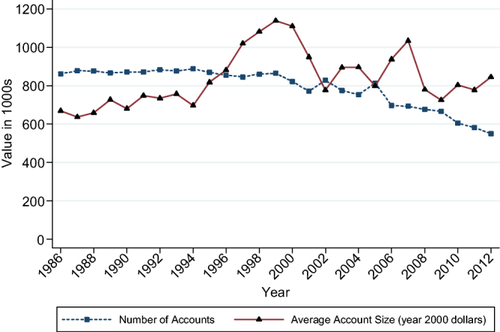
If you follow those preferences of the government’s you won’t have to pay anything in taxes. Except of course, when 2026 rolls around, when they’re likely to start charging a 10% “solidarity” tax.
Crypto Taxes for Speculative Traders
These here are the people that the cryptocurrency tax government considers destructive to the market. They’re regarded as always trying to swipe profits for themselves, tripping up the industry. The more trades they’re completing, the more likely it is people will give off that vibe.
Some of the hallmark behaviors are:
- rapidly buying and selling altcoins
- swapping tokens to capture short-term profits
- engaging in casual staking for immediate income
- flipping NFTs for fast gains
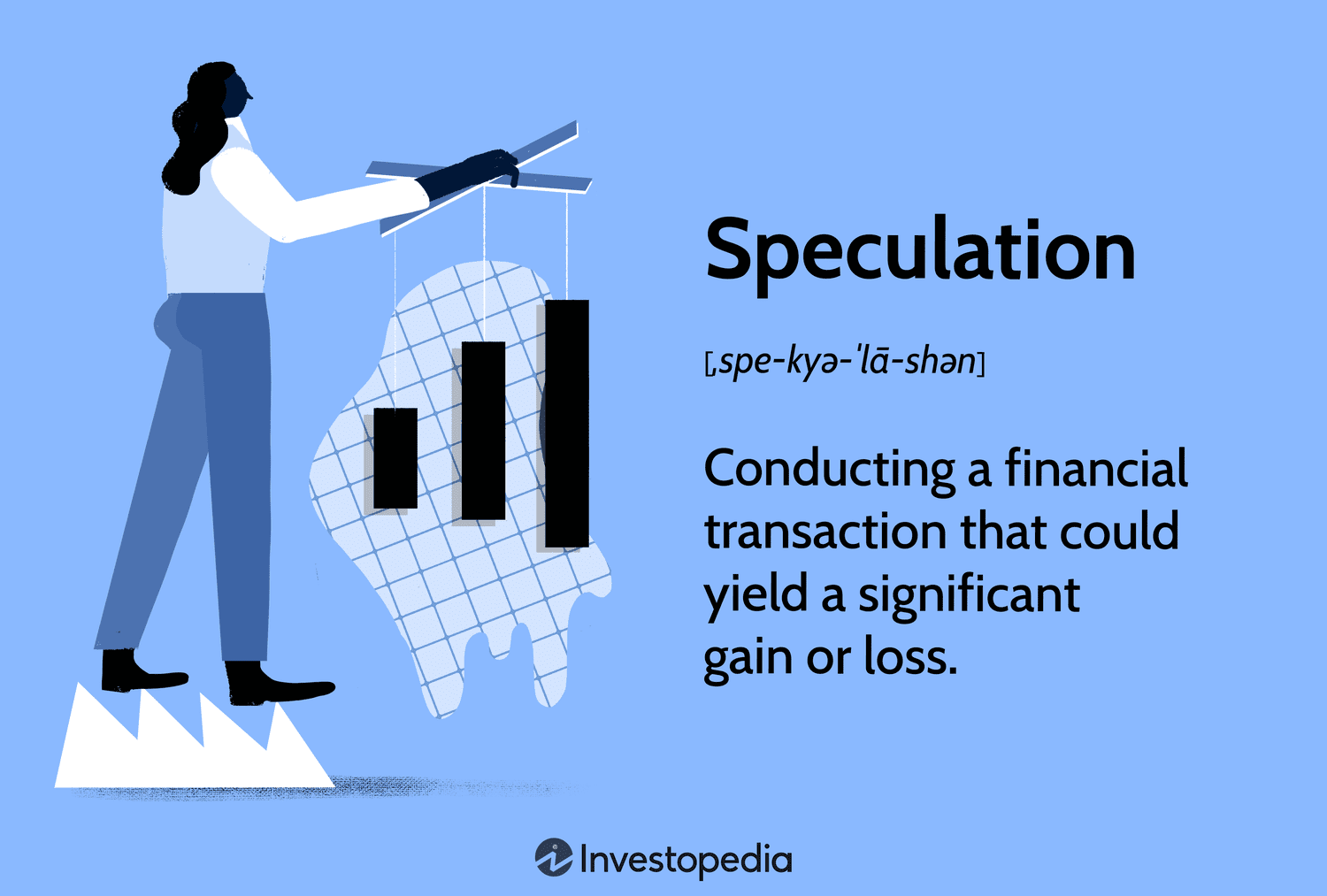
As mentioned above, it isn’t about a particular quantity of units that you buy and sell, their total value, and the total trades; it’s also about your intent. They take a look at whether you have a system, are using special trading bots and tracking software to give you an advantage, running multiple wallets at once, and are in general – speculating. Even staking can trigger that classification and regular harvesting. It’s true whether or not you actually own a business.
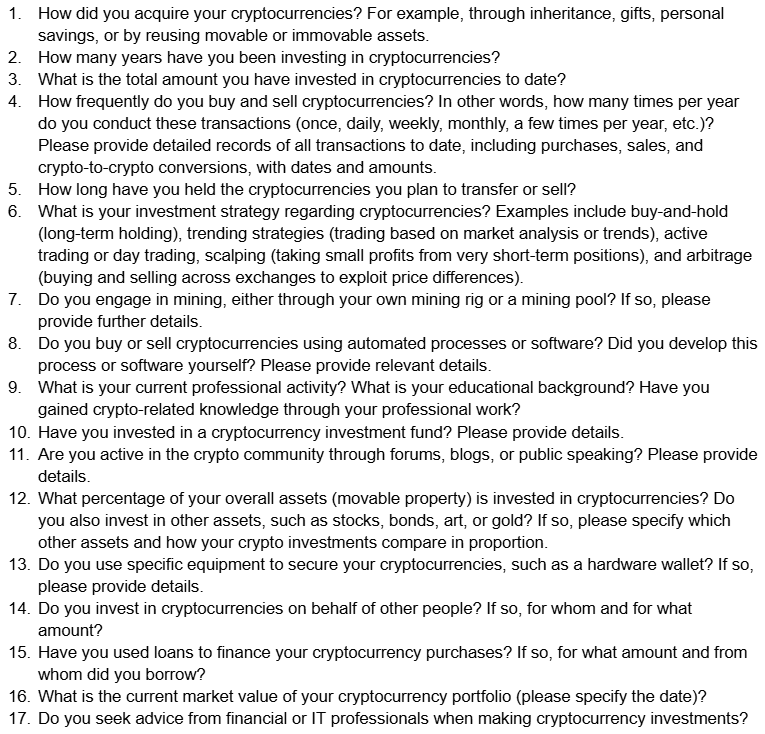
It’s an absolute must having thorough evidence and records of your endeavors if you hope to avoid that 33% capital gains tax off your crypto in Section 2, and be able to qualify for Section 3, .
Checklist: Avoiding the 33% Cryptocurrency Profit Tax
Now for the moment of truth. Here’s what the SPF cryptocurrency tax government will ask you or themselves, as published in English.
Navigating the nuances of Belgian crypto taxation can be complex, especially if you’re managing multiple wallets, staking rewards, and NFT investments. That’s where tools like 8lends come in handy. 8lends offers a user-friendly platform that helps you track crypto transactions, calculate gains, and ensure accurate reporting for the SPF. Whether you’re a Bon Pere investor, a sporadic trader, or somewhere in between, 8lends can simplify the documentation and reduce the risk of errors that might trigger unwanted taxes or audits.
Crypto and Taxes: Applicability
The rise of DeFi, NFTs, mining and staking has made matters a lot trickier. The SPF evaluates each type of activity according to intent, regularity, and whether it resembles speculative trading.
Staking and yield farming are almost always considered taxable income at the moment the rewards are received. Even if you don’t convert the tokens into euros, Belgium treats these gains as earnings rather than capital appreciation. Casual earners cannot defer taxation simply by holding rewards; professional operators, however, may deduct associated costs such as electricity, software, or protocol fees. NFTs are taxed with capital gains except in the case that you buy it for art’s sake, until you do decide to resell it in the case you make a profit.
Gifts and Charity
If you’re gifted digital cash, it’s levied simply according to capital gains. That applies to gifts in general, even if it’s a traditional asset.
Weaponizing Losses When You Declare Your Cryptocurrencies
This strategy for cryptocurrency profit tax is one traders like to use to knock down taxes by unloading assets at a loss. In the case your holdings are unloaded for less than you originally paid, this can be jotted down to cut back gains in the same year. This reduces your overall taxable income and, consequently, levies owed.
Application of that strategy depends heavily on how the government classifies your machinations, whether as a healthy private investment, quick profit snatch, or professional business.
Conclusion
Understanding whether you are a prudent investor or a speculative trader is crucial in Belgium, where the 33% crypto tax applies selectively based on activity, intent, and frequency. Accurate record-keeping, clear documentation, and awareness of untaxed scenarios can make the difference between paying hefty taxes or legally minimizing your liability.
For anyone navigating these complexities, tools like 8lends provide invaluable support. With 8lends, you can track transactions and generate data and docs to simplify interaction with government authorities, giving confidence you’re fully compliant and using the best fiscal avenues.
Lending interest and capital gains follow separate rules, which is where most reporting mistakes start. The comparison across EU jurisdictions is set out in how P2P and crowdlending income is taxed in Europe.
Start using 8lends today to take control of your crypto tax reporting and ensure your investments are managed efficiently, whether you’re staking, trading, or holding for the long term.