What 33% Taxation Covers in Your Cryptocurrency Tax Declaration
This specifically targets gains classified under the miscellaneous section – speculative or short-term buy crypto tax. Not universally to all crypto investors, but only to those whose transactions exhibit a pattern coming across to the SPF as speculative.
The Dividing Line
This typically encompasses gains from selling cryptocurrencies in a non-professional capacity, but with some degree of repetition or intent to profit from market fluctuations. For instance, if you frequently buy and sell altcoins, swap tokens for short-term gains, or engage in staking casually to generate extra income. The frequency and regularity of transactions are key indicators. For example, someone who buys and sells multiple times a week or even several times a month is more likely to be classified as speculative. The volume of trades and the proportion of income derived from crypto activities also play a role.
It’s not just about how often you trade; the type of activity matters as well. Short-term altcoin flips, token swaps, and casual staking with the aim of generating frequent profits are all considered under this category. The tax also covers certain income streams, such as rewards from staking or yield farming if the activity is done outside of a professional context and is intended as a source of profit rather than long-term investment.
Transparent Assets
For investors looking to generate returns without constantly triggering the 33% speculative tax, 8lends offers a smart alternative. By focusing on lending and structured yield strategies rather than frequent trading, 8lends allows you to put your crypto to work while staying in line with Belgium’s tax-friendly treatment of long-term, passive holdings. It’s a way to earn from your assets without falling into the category of a short-term speculator.
Proof
Jot down all dates, euro values as of acquisition and disposal, and transaction types. Proper documentation can demonstrate to the SPF that your activity is consistent as opposed to speculative trading. Failure to clearly establish this distinction may slap 33% on you, even if you don’t intend to trade frequently.
Two Very Different Investors
Sophie lives in Brussels and trades altcoins regularly, jumping in and out of positions to chase quick market moves. By year-end, she has made €9,000 in net gains. Because her activity is frequent and profit-driven, the SPF treats her as a speculative trader. Her €9,000 is taxed at 33 percent, and with Brussels’ municipal surcharge added, she ends up paying slightly more than €2,970 in tax.
Thomas in Namur takes the opposite approach. He bought €5,500 of Ethereum years ago and rarely trades. This year, he sells part of his holdings and earns €3,200 in profit. Since he is a long-term private investor and his activity isn’t speculative, his gain is tax-exempt. He simply keeps records to prove his holding period if questioned by the SPF.
Prudent investors are individuals who purchase virtual cash for the long haul without frequent trading, seeking growth instead of swapping this and that to squeeze out the difference. The key factor distinguishing them is intent and how you go about it. If deals are rare and not profit-driven, the SPF usually won’t bother you for now. This approach aligns with Belgium’s policy of encouraging responsible, patient investment. That said, it’s looking likely that even they will have to start paying a solidarity tax starting in 2026.
Business Endeavors: How to Calculate Crypto Tax
How do you calculate crypto tax for businesses? Some go beyond casual investing or speculative trading and are classified as professional operations. This refers to individuals or entities that treat crypto as a business, such as miners, full-time traders, or those running large-scale trading operations. Unlike speculative operators, pros pay according to bracketed levels, which cumulatively climb as high as 50%.
Where the Differentiation Lies
The tax office evaluates professional-level operations according to factors like regularity, organization, and commercial intent. Structured trading, mining at scale, or generating substantial income from crypto in a business-like manner causes you being put in the pro box. This designation has both obligations and benefits.
Professional operators must report any earnings from virtual currency fields for business or and can deduct eligible expenditures, like mining electricity, power gadgets, software subscriptions, and internet bills.
Take Rico, a 26-year-old crypto trader and staking enthusiast living in Antwerp, Belgium, who runs a small mining operation from his home, trading altcoins, earning staking rewards, and occasionally flipping NFTs. In 2025, his total taxable income from all sources, including crypto gains, staking rewards, and freelance blockchain consulting, comes to €46,750. The first €15,990 is taxed at 25%, the next €11,370 at 40%, and the remaining €19,390 at 45%, resulting in €17,271 in federal tax.
Because he lives in Antwerp, he must also pay the 8% municipal surcharge on top of this federal amount, which brings his total tax bill to €18,661. This means his effective tax rate rises to about 39.9% once the Antwerp surcharge is included.
Crypto and Taxes: DeFi, NFTs, and Staking
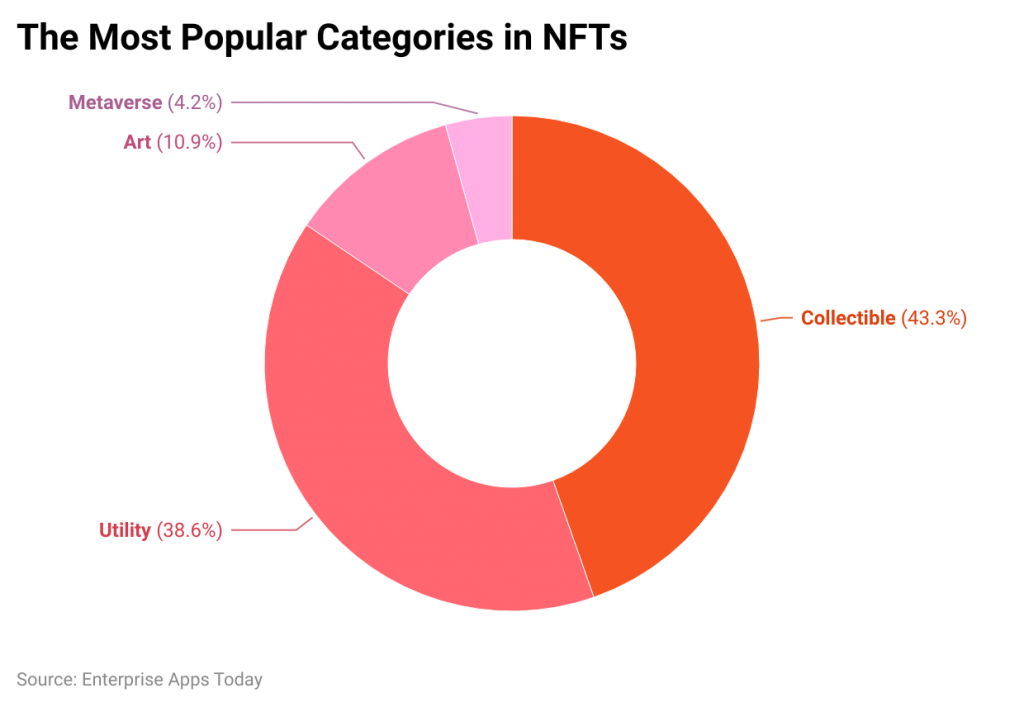
Not all crypto activity behaves the same in the eyes of Belgian crypto taxes, and as the industry branches out into different sectors like DeFi staking, yield protocols, and NFTs, the SPF has taken the stance that each stream must be analyzed for intent and regularity. The rules do not single out every niche individually; instead, they apply the same core philosophy: if you are earning predictable profit from an activity that resembles trading or recurring revenue, it leans toward taxation. If your involvement is passive and long-term in nature, there is room for exemption.
Staking rewards and DeFi yield are almost always treated as taxable income the moment you receive them. Belgium views these profits as earnings rather than capital appreciation, even if you never convert the tokens into euros. Whether you lock coins in a simple staking pool or you are farming yields across multiple protocols, the SPF considers this an income stream unless it is truly incidental and insignificant. Professional operators can deduct associated costs, but casual earners cannot avoid taxation merely by holding the rewards instead of selling them.
NFTs
NFTs come with the same speculative lens. If you mint and flip NFTs regularly or chase short-term trading opportunities, this behavior mirrors speculative crypto trading and is taxed at 33 percent. On the other hand, if someone buys a digital collectible and holds it quietly as a long-term asset, similar to purchasing a painting, any eventual gain can fall under the private investor treatment, and, therefore, remain untaxed.
Tax-Free from the Cryptocurrency Tax Government
Despite Belgium’s strict stance on speculative crypto activity, not every crypto movement or profit triggers the 33% cryptocurrency profit tax. Long-term investors who simply buy and hold digital assets without actively trading, timing markets, or pursuing short-term gains can remain fully exempt, since their activity is considered passive asset management rather than speculation. The same applies to purely internal transfers — moving coins between your own wallets or exchanges does not count as a taxable event, because no economic gain has been realized.
And of course, unrealized gains stay off the tax radar; your portfolio can double in value without generating a tax bill until you actually sell.
Final Thoughts
Belgium’s approach to crypto taxation clearly separates short-term speculators from long-term, patient investors. Understanding where your activity falls is essential: frequent trading, casual staking for profit, or NFT flipping can land you in the 33% tax bracket, while careful, long-term holding generally remains untaxed.
Keeping accurate records, knowing the thresholds, and planning your strategy are key to staying compliant while maximizing returns. If you still have trouble figuring out what category you fall under, you can take the Belgian government’s questionnaire.
Platform interest is usually taxed as income, not as a capital gain — including for Belgium residents. The full European overview is in how P2P and crowdlending income is taxed in Europe.
Read next on 8lends
For those seeking a smart way to grow their crypto without constantly triggering speculative taxes, 8lends provides a platform tailored to long-term investors. By focusing on lending and structured yield strategies, you can put your assets to work while staying within Belgium’s tax-friendly framework for passive holdings.