
크라우드렌딩 플랫폼이 신뢰를 구축하기 위해 게임화를 활용하는 방법

2025년 10월 23일6 분 소요
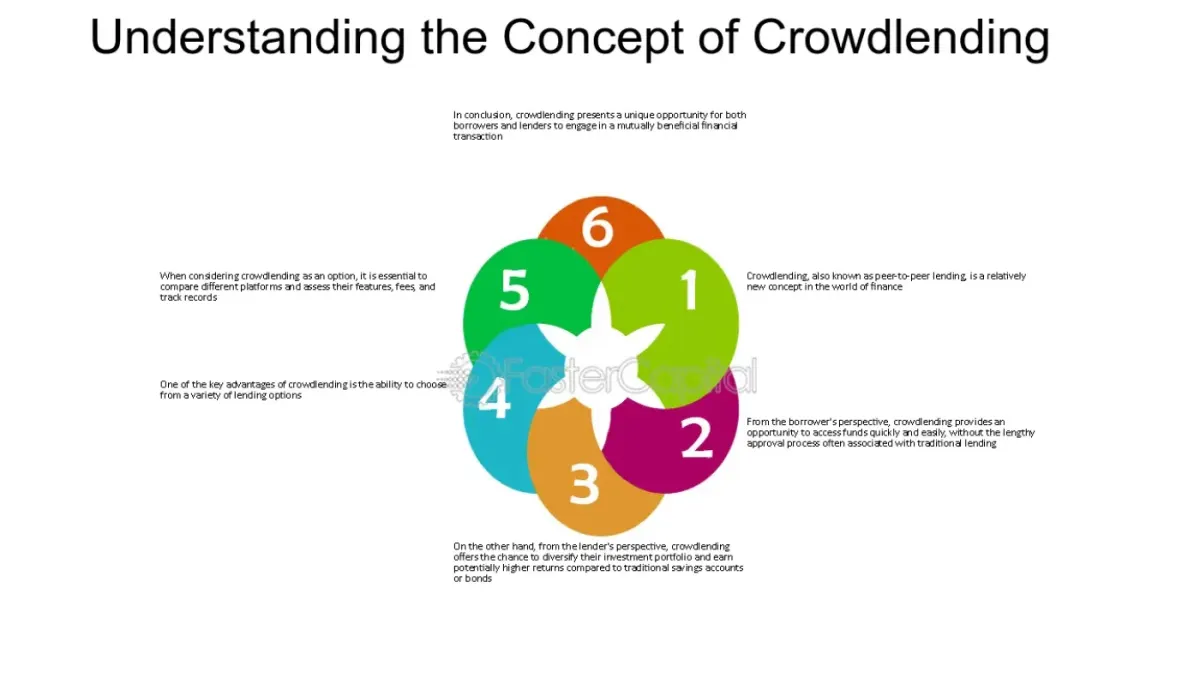
크라우드렌딩 플랫폼은 끊임없이 변화하는 디지털 금융의 세계에서 전통적인 은행 시스템을 뒤흔드는 강력한 혁신자로 자리 잡았습니다. 이러한 플랫폼을 통해 개인 차입자는 은행을 거치지 않고도 자금을 조달할 수 있으며, 대출자는 사람과 소규모 기업에 직접 투자하여 놀라운 수익을 창출할 수 있는 수단을 얻게 됩니다. 하지만 여전히 해결해야 할 큰 과제가 하나 있습니다. 바로 신뢰입니다. 전통 은행에서 신뢰의 기반은 좋은 평판, 실제 지점 보유, 수십 년의 업력, 그리고 규제 당국의 감독입니다. 반면 크라우드렌딩은 디지털 중심의 탈중개 공간에서 이루어지며, 사람들은 흔히 온라인 프로필과 숫자만을 근거로 중대한 재정적 결정을 내립니다. 그렇다면 크라우드렌딩 플랫폼은 개인적인 접촉이나 오랜 관계라는 이점 없이 어떻게 성장에 필요한 신뢰를 쌓고 커뮤니티를 유지할 수 있을까요? 이 가이드에서는 크라우드렌딩 플랫폼이 게임화와 소셜 요소를 활용해 신뢰를 구축하는 방법을 살펴보겠습니다.
The Trust Challenge in Crowdlending
Crowdlending lacks many of the built-in trust systems that are common in traditional finance. In a typical platform, lenders put money into borrowers they have never seen before, based only on short descriptions, credit data, and predicted returns. The risk isn't simply that the borrower won't be able to pay back the loan; it's also that the platform itself isn't safe. Is the information accurate? Are the borrowers real?
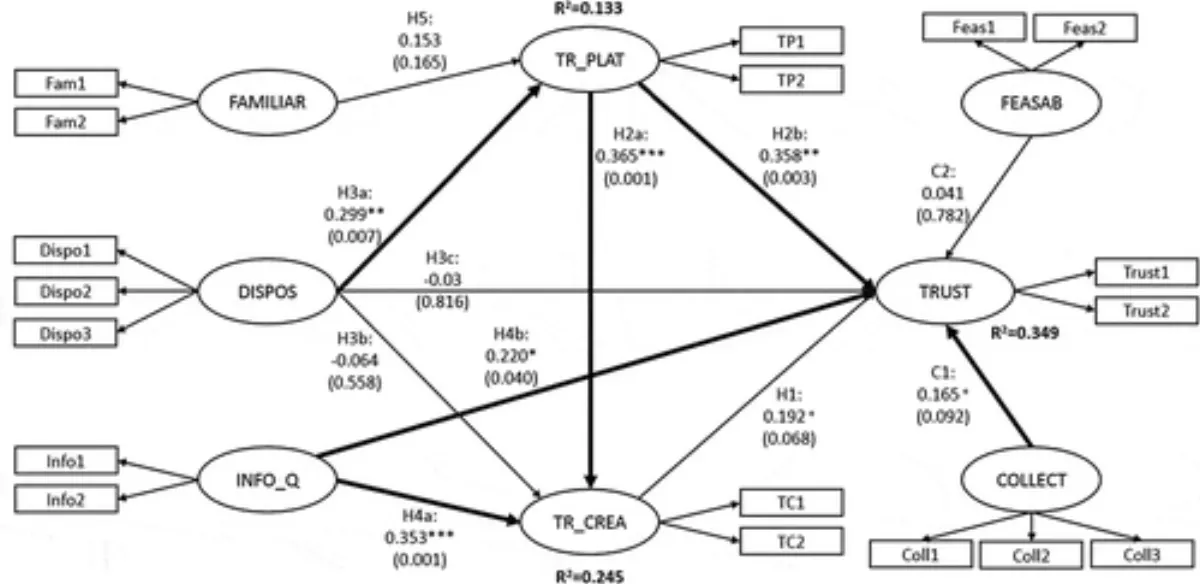
The fact that the platforms are digital renders this gap in trust much worse. Crowdlending users talk to interfaces, not people, which is different from going into a bank and talking to an advisor. And since money decisions are often based on feelings as well as logic, not having any human contact can make people hesitate, doubt, or even stop caring altogether.
So, in this setting, creating trust is not an option; it’s a must. To build emotional connections and behavioral confidence, platforms need to do more than just provide functional interfaces and interest rates. That's where social and gamification come in.
Transforming Tasks into Trust-Building Experiences
Gamification is when you utilize game-like elements like points, levels, challenges, and prizes in places that aren't games to get others to do what you want. In the context of crowdlending, it makes it easier and more fun to use the platform, and it also renders it more open and trustworthy.
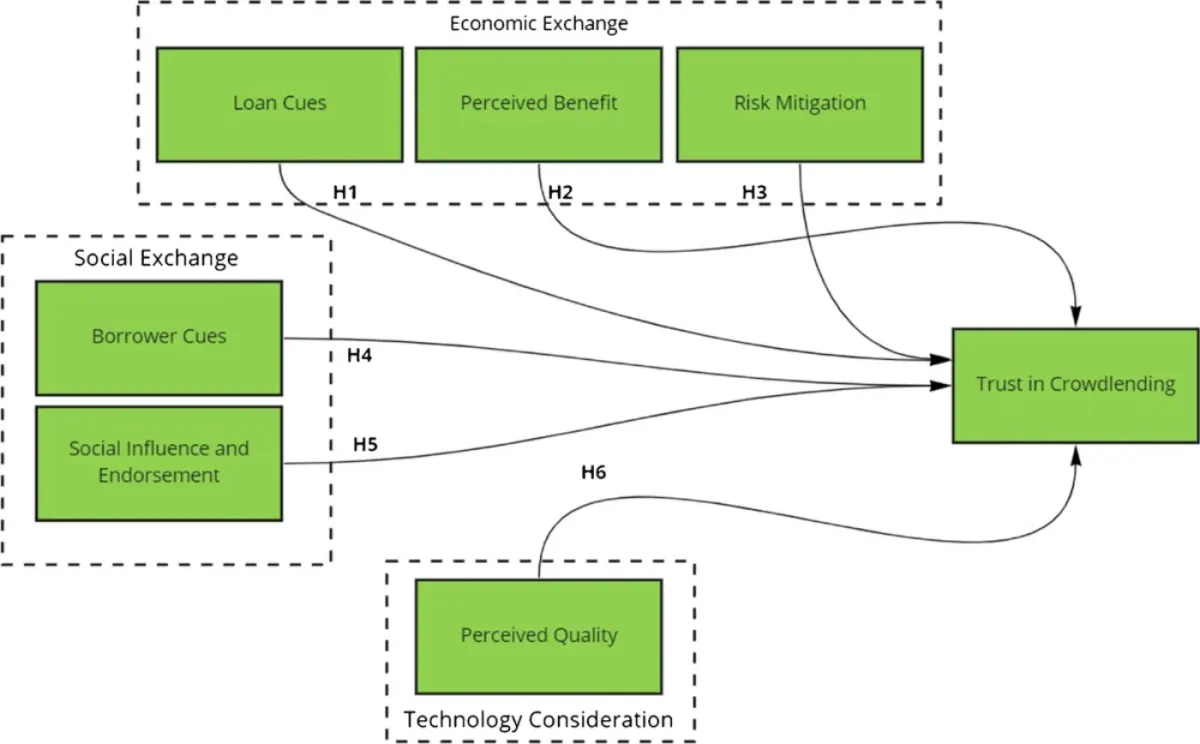
Think about how wonderful it would be to make a difficult chore like verifying someone's identification. Instead of a static form, users might see a progress bar that shows how far along they are, get a "Verified" badge when they're done, and gain access to new features for submitting more information. These gaming mechanics have two purposes: they encourage users to utilize the platform more and show others it’s reliable.
Gamification is more essential since it creates visual and emotional feedback loops. For instance, a borrower might get a "Trustworthy Borrower" badge after making six payments on time in a row. A lender could reach the "Diligent Investor" level after successfully spreading their money across ten loans with few defaults. These awards make you more trustworthy, render things less confusing, and promote a culture of responsibility and excellence, all of which are important for building trust.
Moneybox and Monzo are two examples of platforms that already use these tactics for saving and budgeting. This shows that people prefer gamified financial behavior. Crowdlending can be just as successful if you use similar methods.
Crowdlending platforms like 8lends are spreading loan risk across investors, ensuring both transparency and profitability. With zero commission charged and a strong commitment to impact-driven lending, 8lends builds trust not just through numbers—but through shared social purpose and smart technology.
Replacing Anonymity with Community
Social elements make people who are only using the service into active participants in a common financial environment. User profiles, discussion boards, direct messaging, and reputation systems let users look at not only data, but also the people behind that data.
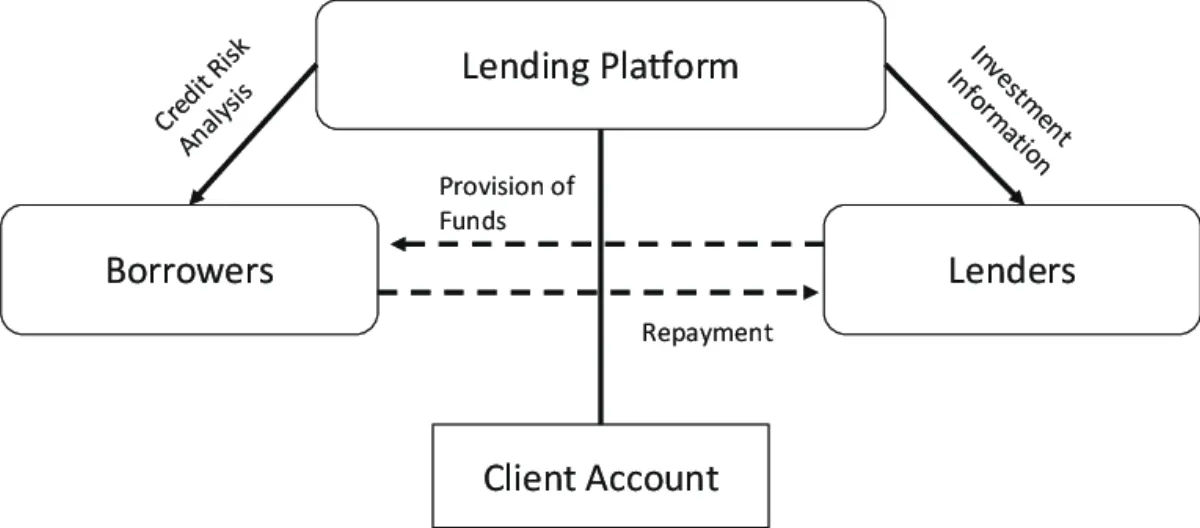
For example, a properly made profile might have information about how well a borrower has done with past loans, verified identity identifiers, and feedback from other borrowers. Lenders are more inclined to invest when they can see that a borrower has a history of paying back their loans on time and that other people can attest to their honesty. The app also becomes more open and self-regulating when lenders have visible profiles that demonstrate their track record.
Another way to build trust is through forums and discussion boards. Users can ask questions, discuss their experiences, and report questionable conduct in these areas. Users feel more confident that the platform is both responsive and community-driven when they see open, monitored conversations. It's like hearing a good chat at a bank office in person—comforting and convincing.
Even small updates, such as borrowers submitting pictures, progress reports, or financial milestones, can make the process feel more personal. Lenders aren't just giving money to a name; they're supporting a story in the making. A borrower who gives regular updates on a business expansion that was paid for through the platform is more likely to get investors to come back.
Another great thing is that you can send secure, guided messages to other people. When done carefully, letting borrowers and lenders talk to each other directly, within the limits of the platform, can turn a transaction without a name into a relationship. Just one or two real conversations can make a huge difference in how confident you feel.
The Power of Combining Gamification with Social Design
Gamification and social features work well on their own. But when you combine them, it’s a game-changer. Gamified achievements can also be added straight to public profiles. A lender gets instant credibility if they have badges that say "10 Verified Loans Funded" or "5 Years Investing on Platform." Other users can like or remark on these accomplishments, which adds to the social proof.
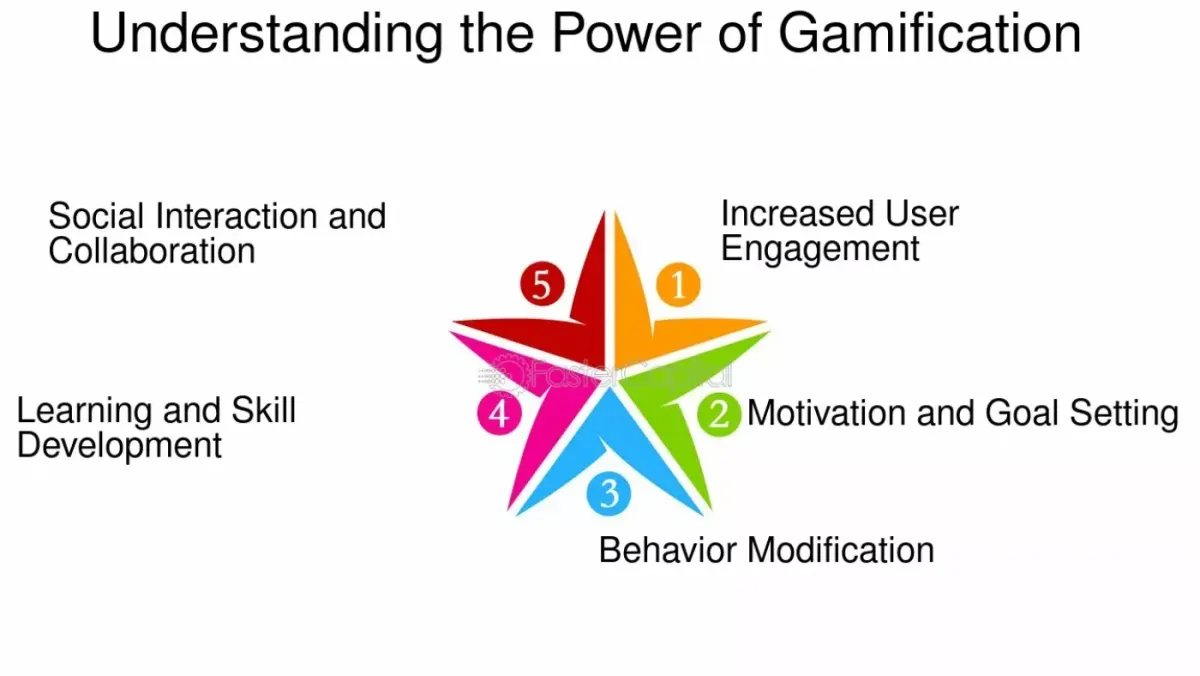
Leaderboards can show the people who post the most on forums, pay back the fastest, or invite the most new users who have been authenticated. This changes the cultural focus from returns to contribution and dependability instead of merely rewards.
Apps might also start seasonal challenges for the whole community, like a "Crowdlend Together" campaign, in which users pool their money to fund a portfolio of social impact loans. Gamified rewards, social updates, and progress tracking would not only keep people interested but would also make them feel more connected to each other and to a common goal.
This combination of game mechanics and human connection generates a feedback loop: social involvement makes gamified credibility stronger, while gamified rewards motivate people to get more involved in social activities.
Trust Without Manipulation
Like any powerful tool, gamification and social design should only be utilized in a responsible way. Apps have a moral duty to stay away from manipulation or exploitation, especially in finance.
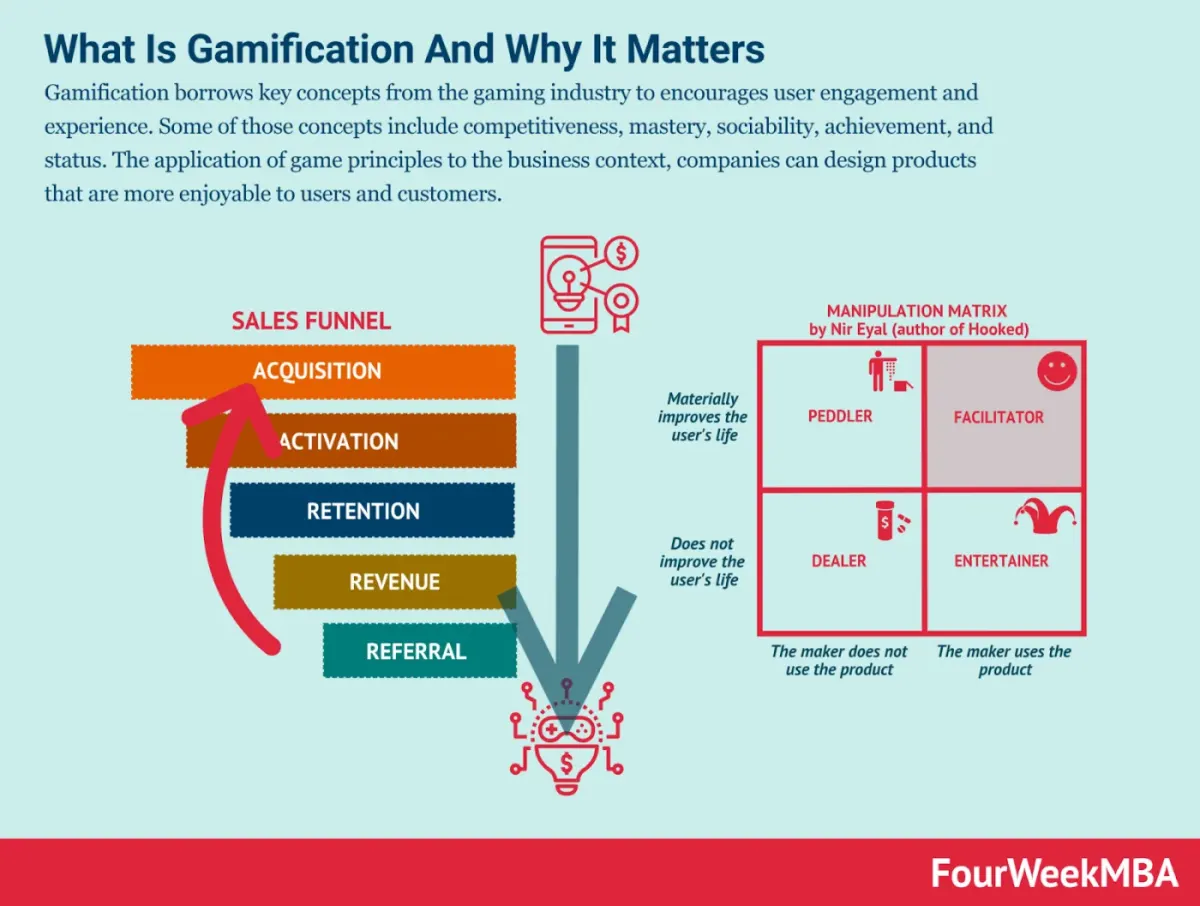
It's important to talk clearly and concretely. Users should always be aware of what they are being rewarded for, why it matters, and how it affects their money decisions. Progress bars should stand for actual actions, like verifying documents or paying back money, not just random clicks.
Privacy and security must likewise be non-negotiable. There shouldn't be any need for further personal information in social features, and messaging should be protected against misuse. When it comes to keeping the community respectful and helpful, moderation is a big deal.
Most significantly, gamification should help people stay financially healthy in the long run. Encouraging people to invest carelessly only to "level up" or making hazardous loans a competition hurts trust and user health. Instead, rewards should be based on positive behaviors like doing your research, paying on time, and spreading your investments around.
Lastly, all parts of the platform must follow the financial rules applicable in the relevant jurisdiction. As authorities focus ever narrower on "finfluencer" methods and app-based investing behavior, crowdlending sites need to earn the trust of both users and watchdogs.
Real-World Examples and Inspiration
Crowdlending-specific resources may still be developing in this area, but fintech companies that are related to it can be a source of inspiration.
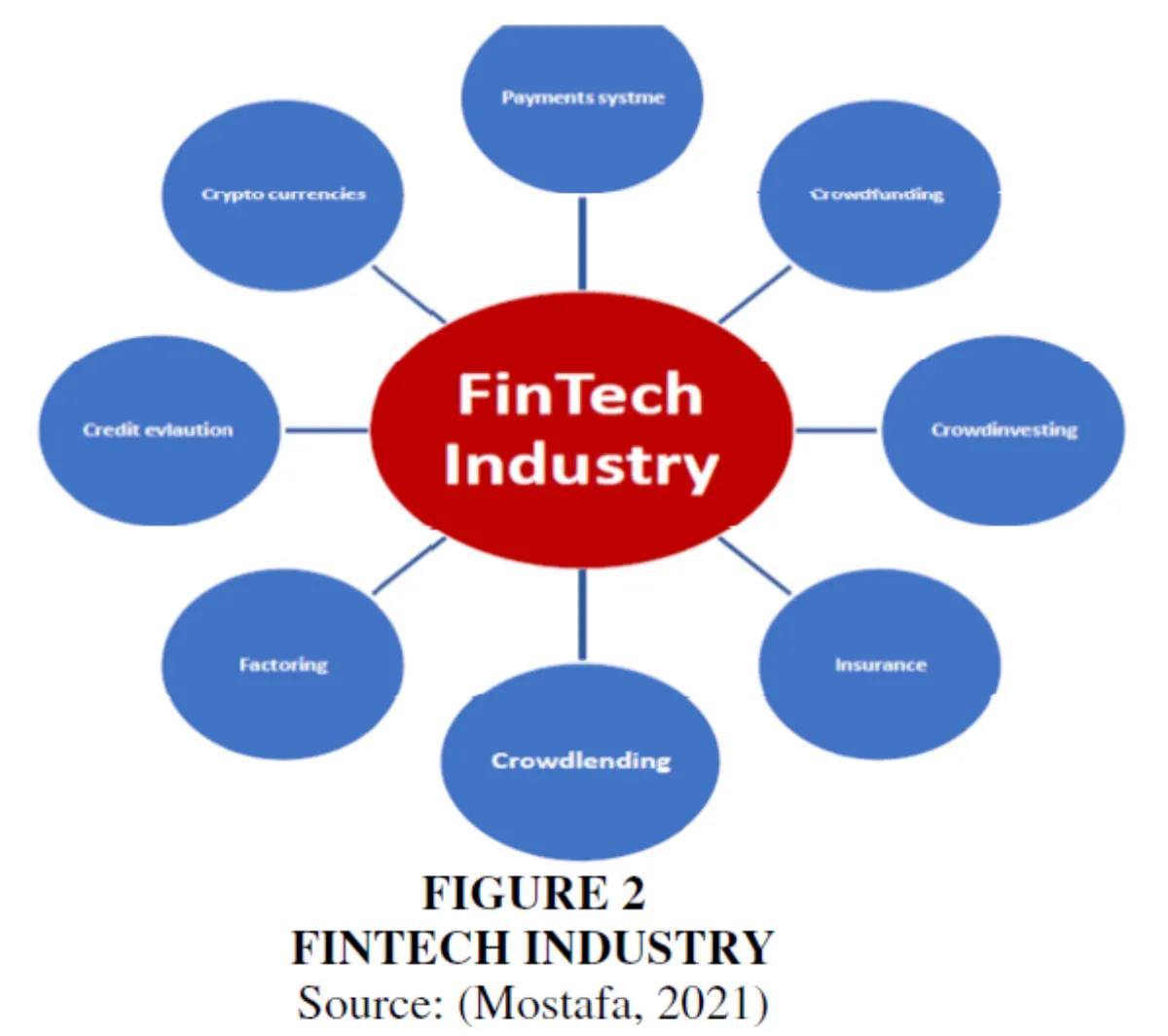
eToro is an example of a platform that combines social trading with gamified insights. Users can mimic the trades of more experienced investors and gain badges of credibility. Monzo, a neobank in the UK, utilizes engaging graphics, savings challenges, and clear information to help people develop good money habits. Kickstarter isn't a loan platform, but it shows how social updates and public fundraising bars can build trust and get people involved.
Crowdlending platforms may create an experience that feels both personal and trustworthy by mixing components from various models, such as gamified verification, social reputation, and open communication.
Conclusion
Crowdlending is based on new ideas, but for those ideas to work, reassurance has to be at the center. When people lend money to strangers online, safety, honesty, and personal connection are front and center.
Gamification and social features give you the tools you need to make that happen. Together, they turn anonymous transactions into communal successes, data points into connections, and give people a reason to not just join but also remain.
If you believe trust should pay off, not just feel good, 8lends is where you put that belief to work. No commission, no guesswork—just vetted, collateral-backed, high-return business lending built on transparency and smart risk-sharing.
다음 읽을거리



궁금한 점이 있으신가요?
모든 질문플랫폼은 CertiK와 Cyberscope의 감사를 받았으며 모든 거래는 Base에서 공개적으로 확인할 수 있습니다. 책임이 명확한 두 회사가 뒷받침합니다: CLEARCHAIN CORP(플랫폼 운영, 캐나다 FINTRAC에 MSB로 등록)와 Maclear AG(실사와 담보). 플랫폼은 잘 규제되고 투명하며 책임 있게 운영됩니다
BuyBack이 있는 프로젝트라면 60일 이상 연체 시 파트너가 대출을 매입해 원금의 100%를 돌려줍니다. BuyBack이 없으면 Maclear AG가 담보 매각을 시작하고 대금은 투자자에게 비례 배분됩니다. 출시 이후 부도는 없었습니다
플랫폼은 캐나다에서 Money Services Business(MSB)로 등록되어 FINTRAC의 의무 AML/CFT 컴플라이언스 요건을 적용받는 CLEARCHAIN CORP가 운영합니다. 정산은 USD로 이루어집니다. 플랫폼은 CASP가 아니므로 DAC8 요건이 적용되지 않습니다
개발도상 지역의 중소기업은 은행 금융에 쉽게 접근하지 못해 EU나 미국 기업보다 높은 금리를 감수합니다
만기 전에 세컨더리 마켓에서 다른 투자자에게 포지션을 판매할 수 있습니다. Fastlending은 고정 기간이 없어 원금과 수익을 언제든 인출할 수 있습니다
최소 투자액은 100 USD입니다
기업의 미상환 리스크, 담보 가치 변동 리스크, 세컨더리 마켓에 매수자가 없을 때의 유동성 제한 리스크, 스마트 컨트랙트 관련 기술 리스크
100–500 USD 투자는 KYC 없이 가능합니다. 500 USD 초과 시 신분증과 주소 증명을 통한 전체 인증이 필요합니다