
DAC8 Directive: Crypto Tax 2025

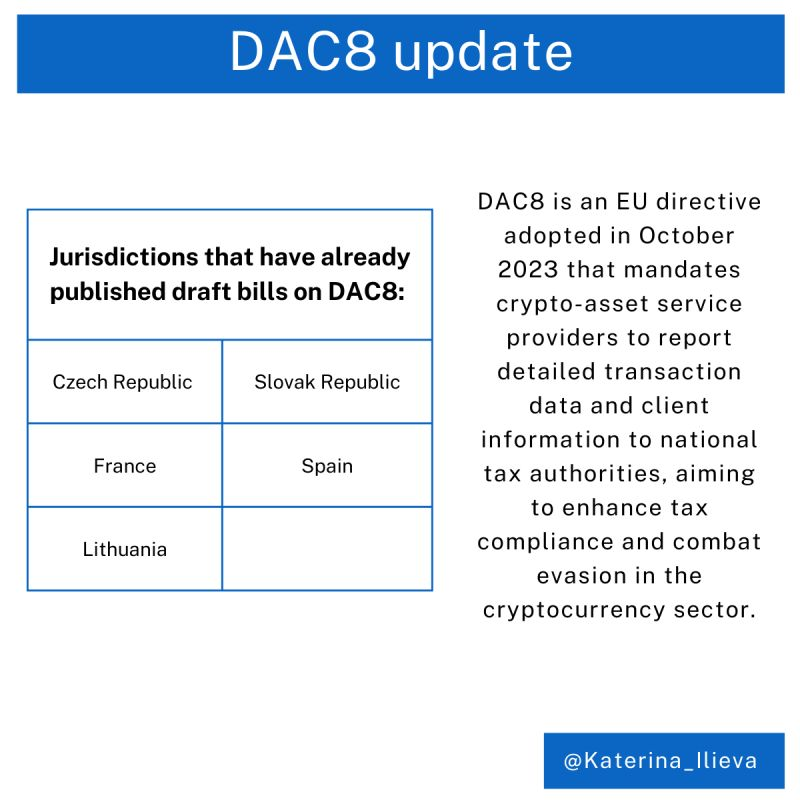
Under DAC8, the Belastingdienst receives regular reports on account balances, trades, and transfers from both domestic and foreign service providers. This allows the Dutch tax authority to cross-reference taxpayer crypto declarations with actual activity, reducing the risk of underreporting or tax evasion.
For example, if a Dutch resident moves significant crypto holdings between wallets or sells tokens, those movements can be captured and flagged if they are not reported accurately in Box 3.
The directive also emphasizes standardization across the EU, meaning that exchanges in other member states follow similar reporting rules, creating a level playing field and minimizing loopholes. This is particularly important for cryptocurrency, where assets can easily move across borders, often outside traditional financial systems.
DAC8 strengthens cooperation between tax authorities, giving the Belastingdienst access to a wider network of data and increasing its ability to detect unreported crypto holdings.
Reporting Taxes from Earning Money with the Belastingdienst
Even if you haven’t sold your crypto or realized any gains, the Belastingdienst requires you to declare your holdings as of January 1st each year for crypto tax. This is because Box 3 taxes your total net wealth, not just profits, making it essential for taxpayers to account for all digital assets accurately.
Failing to report crypto or underreporting holdings can have serious consequences. The Belastingdienst issues fines, imposes back taxes, and even pursues chrages if people don’t comply. For professional or frequent traders, misreporting could also trigger audits that extend beyond Box 3, potentially affecting income and corporate taxes.
And the tax service can also file a return for companies and individuals, and since they don’t have all the documents to deduct what they owe, these returns usually require such traders to pay way more than if they had filed themselves.
Belastingdienst Sources for Tax on Crypto 2025
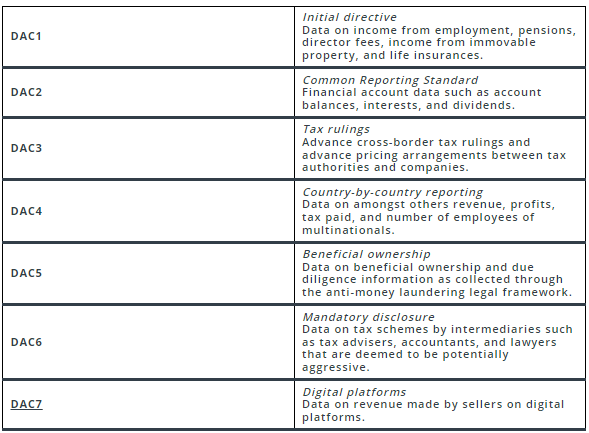
The Belastingdienst has multiple channels for gathering information on cryptocurrency holdings and transactions, ensuring that filers report tax on crypto day trading accurately. One of the primary sources is financial institutions.
Banks in the Netherlands are required to report account balances and certain investment activities, which can indirectly reveal crypto-related deposits, withdrawals, or transfers to exchanges. Even if you conduct most of your crypto trading outside traditional banks, any fiat conversions are likely visible to the authorities. Another major source is crypto exchanges, both domestic and international. They comply with EU demands.
The Belastingdienst also employs blockchain analytics tools to monitor public transaction data. While blockchain addresses themselves are pseudonymous, patterns of activity, large transfers, and connections to known service providers can be traced back to individuals. Advanced software allows the authorities to detect anomalies, link multiple wallets to a single taxpayer, and flag unreported or suspicious activity.
On top of that, voluntary disclosures and audits tell a lot too. Taxpayers who proactively report past unreported assets or gains provide the Belastingdienst with insight into previously opaque holdings.
Responsible Portfolio Balancing
As regulations tighten, many investors in the Netherlands are reassessing how they balance risk and stability in their portfolios. Crypto can offer upside, but it also brings compliance obligations, volatility, and paperwork, especially now that cross-border data sharing has expanded under DAC8.
For those who also want exposure to more predictable, real-world returns, platforms like 8lends provide an alternative path. Instead of navigating complex tax treatment and regulatory uncertainty, investors can participate in crowdlending within a clear framework, with transparent reporting and predictable compensation models.
Crypto remains an exciting space, but strong portfolios often mix innovation with stability. Exploring regulated investment avenues can bring both peace of mind and long-term consistency in a tightening oversight environment.
Compliance: Tax and Crypto Fines from the Belastingdienst
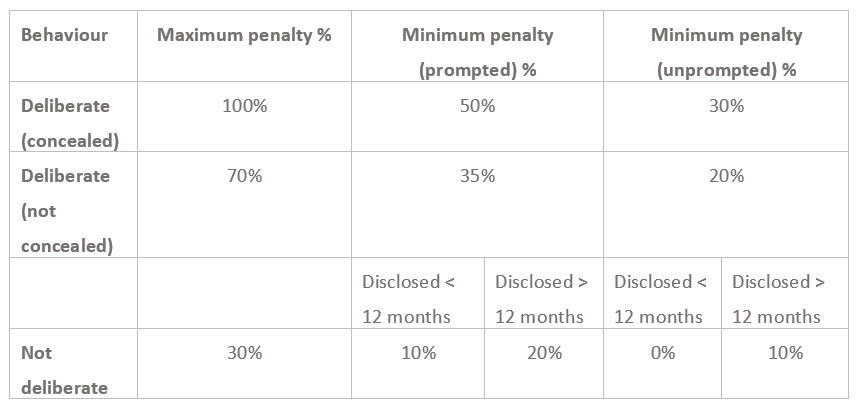
Voluntary disclosure is a very wise tool for people to comply with the crypto profit tax law and quit if they’re ahead. The Dutch tax authority encourages residents to proactively report unreported assets or correct inaccuracies in their prior filings. Doing so not only ensures compliance but can also significantly reduce fines and interest that would otherwise accrue.
Taxpayers can provide full transaction histories, wallet addresses, and documents backing up their numbers and histories to demonstrate their commitment to being accurate and thorough. By being transparent, these people get better treatment, as the Belastingdienst recognizes and takes into consideration when people are being obliging and cooperative.
Corrections to Tax Returns
When investors misreport on their returns, whether deliberately or accidentally, the authorities appreciate their willingness to make corrections. First of all, when they make corrections willingly without an audit being set up, they are highly appreciated, and even when people file taxes late from past years, they can do so without severe penalties.
In such cases, people can even request to have penalties and interest be waived if they are well-intentioned or have particular circumstances that can explain their lateness. One of the best moves though is to apply to extend the submission beyond the May 1st deadline before that date hits. After that, people are no longer able to do so unless they submit a special plea and it’s granted.
Common Myths about Paying Tax on Crypto
Many cryptocurrency users mistakenly believe that digital assets are fully anonymous and beyond the reach of the Belastingdienst. While blockchain transactions do not include personal names by default, they are pseudonymous rather than truly private, meaning every transaction is permanently recorded and publicly accessible.
Another common misconception is that holding crypto in foreign wallets or on overseas exchanges makes it invisible to the Belastingdienst. In reality, EU regulations and international information-sharing agreements mean that cross-border reporting is increasingly stringent.
Some taxpayers also assume that only gains need to be reported. In the Netherlands, however, Box 3 taxes total net wealth, not just realized profits. This means that even dormant holdings, staking rewards, or tokens sitting in a wallet must be declared.
How to Pay Tax to the Belastingdienst
This Box 3, of which we have spoken much, is where all assets are to be listed on one’s crypto declaration. This means securities, real estate, bonds, stock, ETFs, and anything else that builds general wealth for a person. Crypto assets are, meanwhile, listed in the “Other Assets” section of Box 3. It can be quite confusing for a lot of people where to list the income for certain activities.
Business vs. Mere Market Participation
Some individuals and organizations are deeply involved in crypto and it is one of their primary occupational concentrations. For people like these, the government looks to Box 1 to list the majority of what they do with crypto. That’s because it’s only fair that everyone contributes their fair share of taxes to keep the Netherlands running. So, NFT exchange and buying, while free for casual owners and art aficionados, are unlikely to go untaxed for crypto professionals.
Tax rates here are progressive: income up to roughly €73,000 is taxed at about 37%, and amounts above that are taxed at 49.5%. This box applies when crypto activity resembles a business – frequent trading, borrowed capital, automation, or professional intent.
Assets
Box 3 applies to private investment wealth, including crypto held as a passive asset. Instead of taxing actual gains by default, the Netherlands uses a presumed return model, which is being phased out, multiplying savings and investments by fixed percentages to estimate annual gains. For 2025, savings are assumed to earn around 0.92%, while crypto and other investments are assumed to earn 6.17%, minus 2.61% of debts, then reduced by a €57,000 allowance. The resulting taxable base is taxed at 32%.
However, taxpayers may choose to declare actual returns if lower. Instead of that, if people choose, they can use the same coefficients but report their actual business deductions.
Conclusion
As crypto regulation matures in the Netherlands and across Europe, oversight is only growing stronger. DAC8, MiCA, and advanced blockchain-tracking tools now give the Belastingdienst visibility into activity that once seemed untraceable. Whether your approach to crypto is conservative or active, the safest strategy is simple: report accurately, keep proper records, and stay proactive rather than reactive.
The Dutch tax system rewards transparency and voluntary correction far more than avoidance or silence, and with cross-border data sharing in full effect, compliance isn’t just smart – it’s necessary.
If you want to put your capital to work in a regulated, transparent environment rather than worrying about compliance headaches, consider exploring 8lends – a fully regulated crowdlending platform in the EU that lets your money earn a steady return while you stay fully on the right side of Dutch tax law. You can sign up in minutes and invest smoothly, without the uncertainty that comes with managing crypto records across blockchains and exchanges.