

2025年9月4日4 分で読めます
ピアツーピア(P2P)レンディングは、銀行やその他の仲介者を排除することで、人々のお金の借り方・貸し方を変えました。とはいえ、それは完璧ではありません。借り手が融資を返済できないとき、貸し手は損失を被り、システム全体が打撃を受けます。焦げ付いた融資を振り返ることで、それらが失敗した本当の理由が見えてきて、関係者全員にとっての賢明な進むべき道が示されます。ここでは、何がP2P融資を失敗させるのかを掘り下げ、目を見張るような事例を紹介し、業界がリスク管理を強化し、健全で持続的な形で成長できるよう、実践的な教訓をまとめます。
Understanding P2P Lending and Loan Defaults
P2P lending platforms like 8lends make borrowing easy by linking people who need cash with those ready to lend it based on credit checks. Even with clever systems, someone can still miss a payment or not pay back what they owe. This slip happens when borrowers skip interest or the main sum, and it feels risky. Both the borrower’s situation and how the site works play a part in figuring out what’s behind these misses.
Determinants of P2P Loan Defaults
Real-world studies show exactly why some peer-to-peer loans go south. A deep dive into data from 2008 through 2014 pulled out the top warning signs.
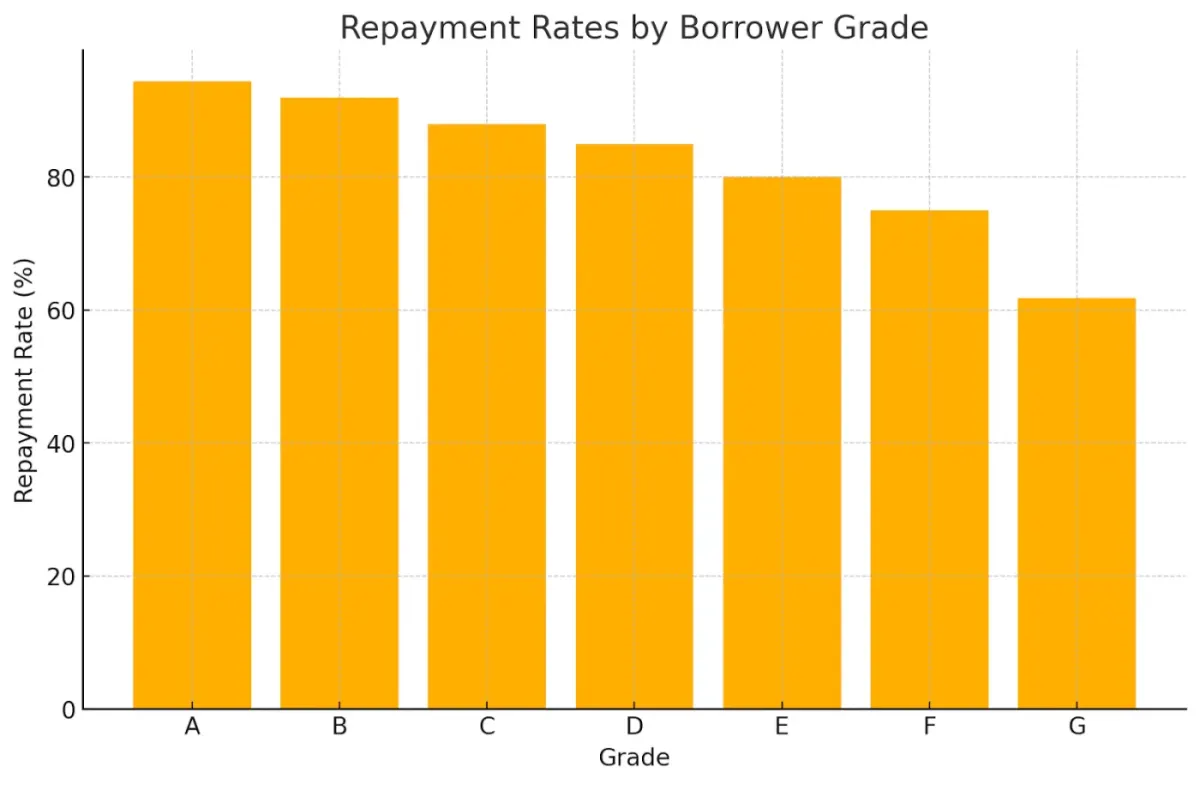
The table below lays out these factors to guide your understanding.
| Category | Determinants | Details/Findings | Exact Numbers/Stats |
|---|---|---|---|
| Borrower Assessment | Grade | Most predictive, A to G, A is safest. | 94.4% A-grade repaid, 61.8% G-grade. |
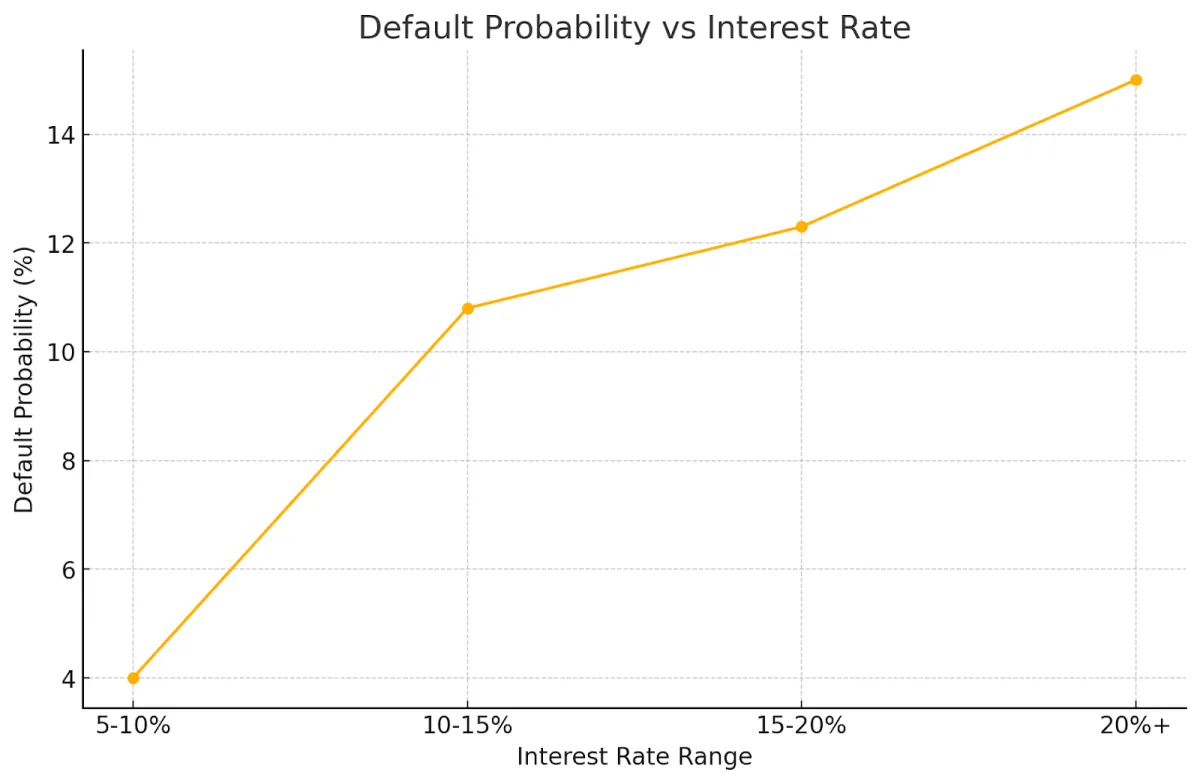
| Interest Rate | Higher rates correlate with higher default probability. | Defaulted: 12.3%, Non-defaulted: 10.8%, p<0.001. | |
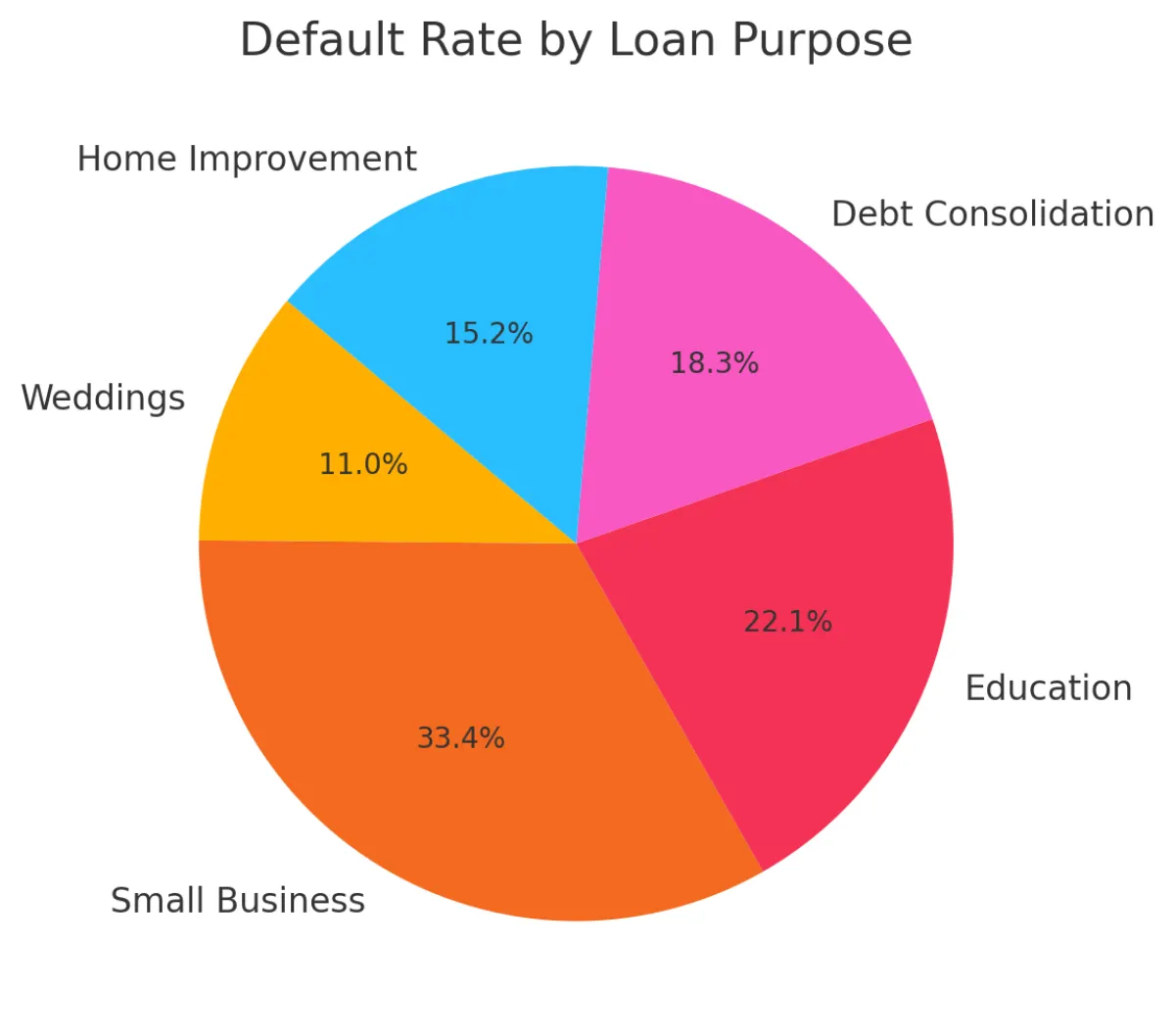
| Loan Characteristics | Loan Purpose | Weddings least risky (92.8%), and small businesses most risky (78.1%). | Significant for 10/14 purposes, p<0.001. |
| Loan Amount | Not significantly related to default. | T-test: -0.997, not significant. | |
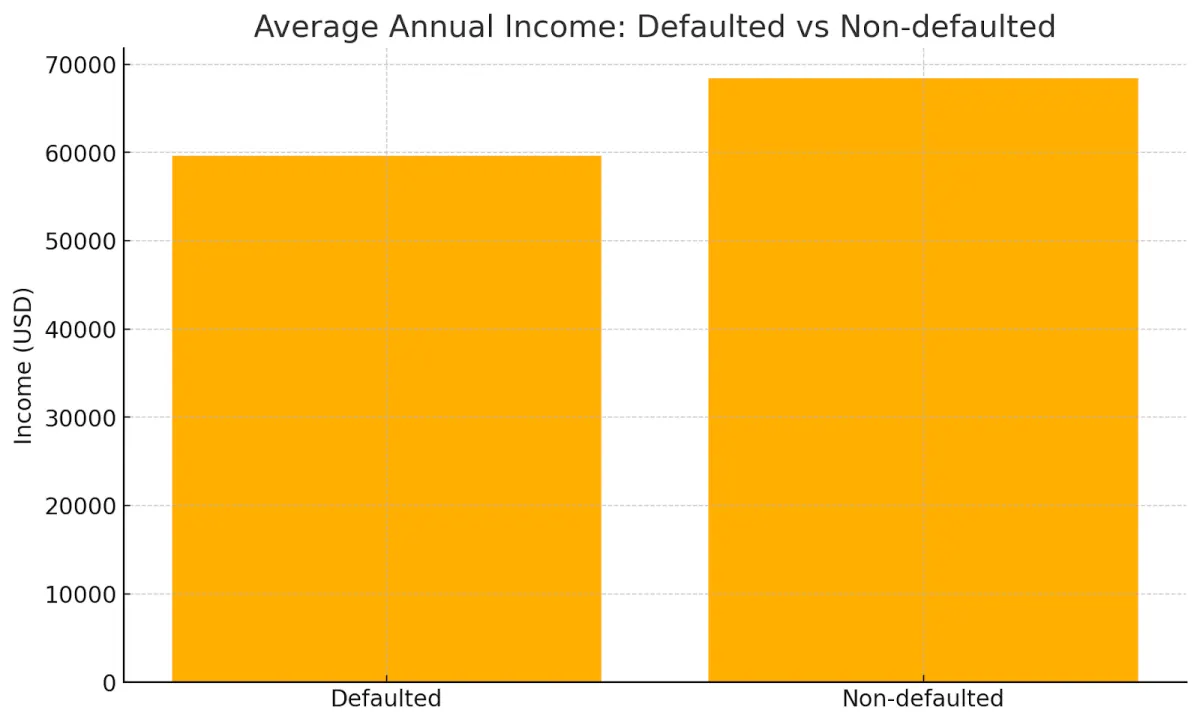
| Borrower Characteristics | Annual Income | Lower income is associated with higher default probability. | Defaulted: $59,595, Non-defaulted: $68,391, p<0.001. |
| Current Housing Situation | Mortgage/own is less risky than rent/other. | Mortgage: 90.1% repaid, Rent: 88.3%, p<0.001. | |
| Employment Length | Not significantly related to default. | Defaulted: 4.60 years, Non-defaulted: 4.68 years, p≥0.05. | |
| Credit History | Various metrics | All significant except Months Since Last Delinquency. | E.g., Delinquency 2 Years: Defaulted 0.18, Non-defaulted 0.14, p<0.001. |
| Borrower Indebtedness | Loan Amount to Income, Debt to Income | Higher ratios correlate with higher default probability. | E.g., Loan Amount to Income: Defaulted 0.183, Non-defaulted 0.163, p<0.001. |
This study showed a 10.9% default rate – 2,666 out of 24,449 loans – and makes it clear that who the borrower is (their income and past credit) and what the loan looks like (its size, term, interest) really matter. The mix of those personal traits and loan details can make or break repayment.
Digging into China’s P2P world adds more color. One look at Renrendai data found that people who passed quick checks like video calls or phone confirmations actually missed payments more often, while those who provided solid ID or asset proof cut their risk, and the models nailed it with over 90% accuracy, to predict defaults well.
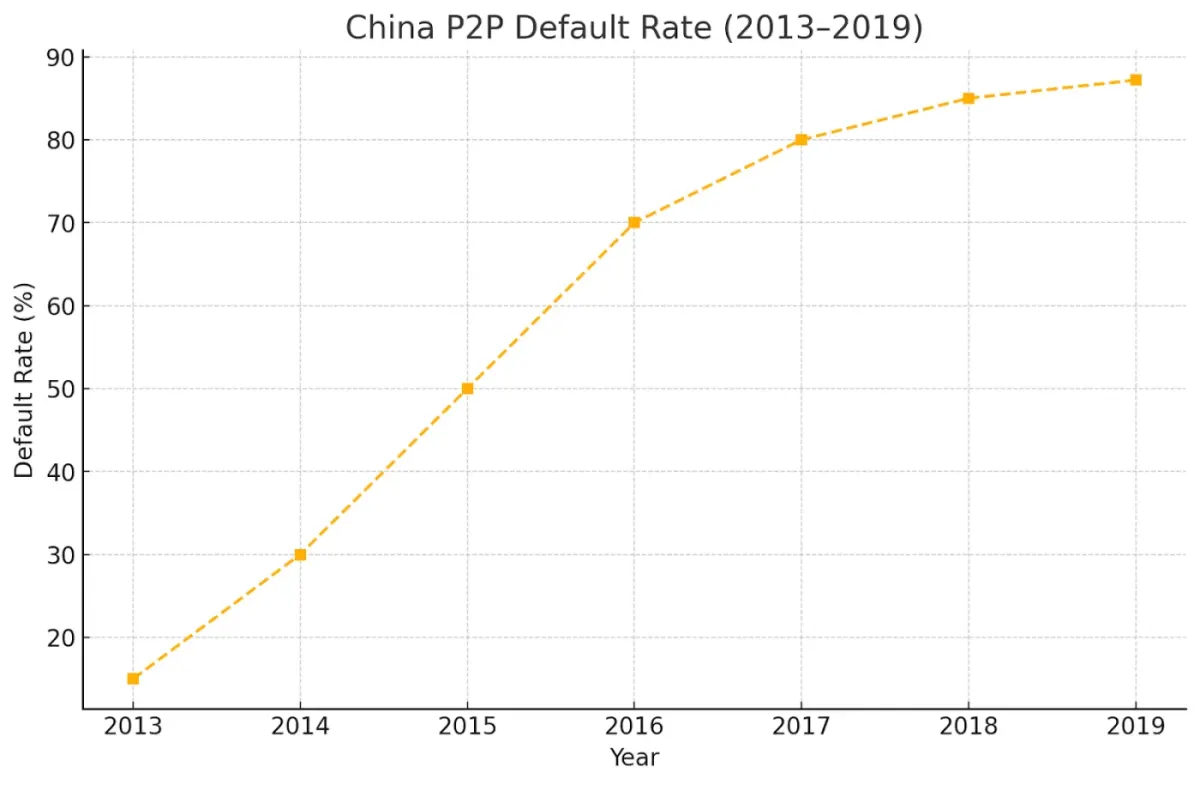
Then there’s the shocker: by 2019, defaults in China hit 87.2%. That sky-high rate got blamed on a poor match between borrowers and backers, investors flying blind on finance, and rules that just weren’t strong enough.
Case Studies: Notable Failures and Their Postmortems
Looking at real-life cases of P2P lending failures helps uncover deep-rooted problems in the system. Take China’s P2P crisis, which hit its worst point in 2015. Out of around 3,500 platforms, two-thirds collapsed. Many failed because of scams, fake investment schemes, or acting like illegal banking operations.
Regulators couldn’t keep up, with just a handful of staff trying to monitor thousands of platforms, so things spiraled out of control. Close ties between platforms and local governments often meant loans went to risky ventures. When officials started warning investors, panic spread. By July 2018, active investors dropped by a fifth, and total loans plunged from over 1.3 trillion yuan to below 1 trillion.
LendingClub in the U.S. had its own troubles. For a time, they limited transparency around loan details during their “Quiet Period,” and their CEO was caught altering data. These moves made investors uneasy, adding to the sense of risk.
In China, Renrendai faced similar challenges. Weak regulations, high rates of defaults, and sudden cash shortages exposed flaws unique to the platform. Each story shows how fragile these systems can be, especially when rules aren’t clear or risks aren’t managed with care.
Lessons Learned from Failure Postmortems
Looking at past mistakes teaches us valuable lessons for building better systems. Here’s what we’ve learned:
- Being Open Matters: When platforms don’t share clear, updated details about their work, people stop trusting them. Take GraduRates or Encash—both shut down quietly, leaving lenders confused. Sharing honest, timely updates helps everyone stay informed and confident.
- Rules Aren’t Optional: Ignoring guidelines can lead to big problems. In China, weak oversight allowed fraud and risky behavior to spiral. Sticking to regulations, like India’s RBI rules, keeps platforms legally safe and protects everyone involved.
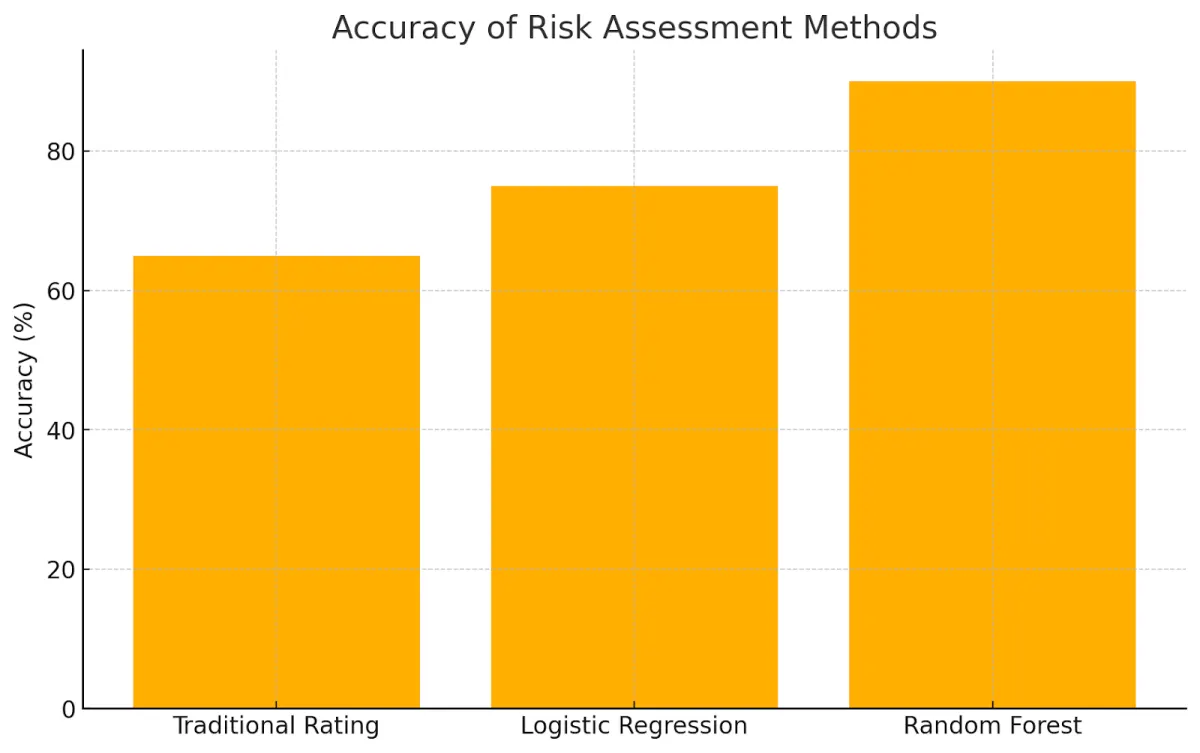
- Smarter Risk Checks: New tools are changing how risks are spotted. Research shows methods like Random Forest (a type of machine learning) work better than old-school systems. Even small details, like how borrowers describe themselves or their connections, help predict who might struggle to repay.
- Spread Out, Stay Safe: Putting all funds into one loan is risky. Platforms like Prosper learned this the hard way when defaults hurt their lenders. Splitting investments across many loans softens the blow if one fails.
- Keep Growing, Keep Learning: Success isn’t static. Platforms like LendingClub built trust by openly sharing data and teaching users. Others tweak their systems using lessons from past errors. Over time, these steps create stronger, more reliable systems.
By focusing on these areas, platforms can build safer, more trustworthy spaces for everyone. Small changes, when done thoughtfully, add up to big improvements.
Advancements in Risk Management Practices
Looking back at past experiences has sparked new ideas in managing financial risks. Platforms now use things like social information or community activity to assess creditworthiness more accurately, so that lending decisions better reflect real-life situations.
Advanced techniques, like machine learning and survival analysis, often work better than traditional platform ratings, uncovering hidden chances for smarter investments while encouraging fairer rates for borrowers.
Tools like SHAP help explain how these complex models make choices, shining a light on familiar risks as well as unexpected ones that might otherwise go unnoticed. Some systems even analyze relationships between borrowers, like shared connections or networks, to spot patterns that improve predictions.
Together, these steps lower the chance of loans going unpaid, which helps investment portfolios grow steadier over time and keeps platforms running smoothly for the long haul. By blending technology with deeper insights into human behavior, the whole process becomes both safer and more balanced for everyone involved.
Conclusion
Looking back at why P2P loans flop shows how the borrower, the platform, and the rules all mix. We need to learn from each flop so that we keep things clear, check risks well, and follow the rules. We can keep getting better with smarter data tools and by spreading out our bets. That way, P2P lending can stick around as a solid choice alongside regular banks.
8lends backs up lender investments using borrower collateral. This significantly adds to the security of their loans, even if risk can never be completely eliminated. Opportunities meanwhile abound with 0% commission charged to investors and over 15% returns.
次に読む



ご質問はありますか?
すべての質問プラットフォームはCertiKとCyberscopeの監査を受けており、すべての取引はBase上で公開されています。明確な役割を持つ2社が支えています:CLEARCHAIN CORP(プラットフォームの運営、カナダのFINTRACにMSBとして登録)、Maclear AG(デューデリジェンスと担保)。適切に規制され、透明性と説明責任のある運営です
BuyBack付きの案件なら、60日以上の延滞でパートナーがローンを買い取り、元本の100%を返還します。BuyBackがない場合はMaclear AGが担保の売却を開始し、収益は投資家に比例配分されます。ローンチ以来デフォルトはありません
プラットフォームを運営するのはCLEARCHAIN CORPで、カナダでMoney Services Business(MSB)として登録され、FINTRACのもとで義務的なAML/CFTコンプライアンス要件の対象となっています。決済はUSDで行われます。プラットフォームはCASPではないため、DAC8の要件は適用されません
発展途上地域の中小企業は銀行融資へのアクセスが難しく、EUや米国の企業より高い金利を受け入れています
満期前にセカンダリーマーケットで他の投資家にポジションを売却できます。Fastlendingには固定期間がなく、元本と収益はいつでも引き出せます
最低投資額は100 USDです
企業の不払いリスク、担保価値の変動リスク、セカンダリーマーケットで買い手がいない場合の流動性リスク、スマートコントラクトに関わる技術的リスク
100〜500 USDの投資はKYC不要です。500 USD超は本人確認書類と住所証明による完全な認証が必要です