
P2P利用者の資金が舞台裏でどのように保護されているのか
2025年8月7日5 分で読めます
ピアツーピアのクラウドレンディングは、投資家と借り手を直接結びつけることで仲介銀行を介さない、革新的で現代的な金融の枠組みです。より多くの投資家が分散投資と高いリターンを求める一方で、P2Pクラウドレンディングについて彼らが必ず抱く疑問があります。「利用者の資金はどれほど安全なのか?」本記事では、投資家の資金を守るテクノロジー、規制上の監督、そして運用戦略の独自の組み合わせを詳しく見ていきます。
How P2P Crowdlending Has Evolved Over the Years
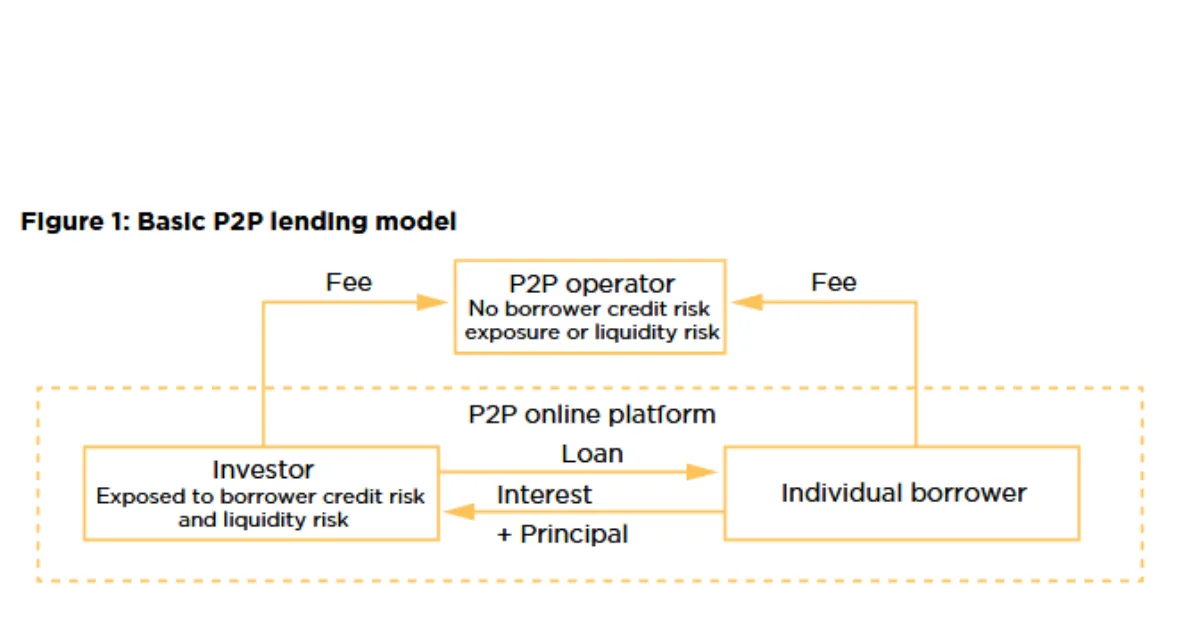
P2P crowdlending platforms have gone mainstream over the past decade. Initially, most people considered P2P lending a special market suited only to tech-savvy early adopters. Today, decentralized credit apps command headlines, and investors and borrowers flock to them for all their funding and income-generation needs.
These innovations allow individuals to invest small amounts that collectively fund big loans. Over the years, the system has evolved rapidly, and so has the complexity of the systems used to safeguard investors' funds. Through advanced and integrated risk analysis tools, multi-level security measures, and adherence to rigorous regulatory frameworks, P2P websites are as secure as ever, especially in a decentralized digital community.
Historically, as P2P lending apps evolved, so did the threat environment; this prompted operators to rethink and strengthen their security systems and protocols. But security isn't just about keeping up with the latest tech. It's also about building and maintaining trust in the entire credit exchange process.
Why to Protect User Funds
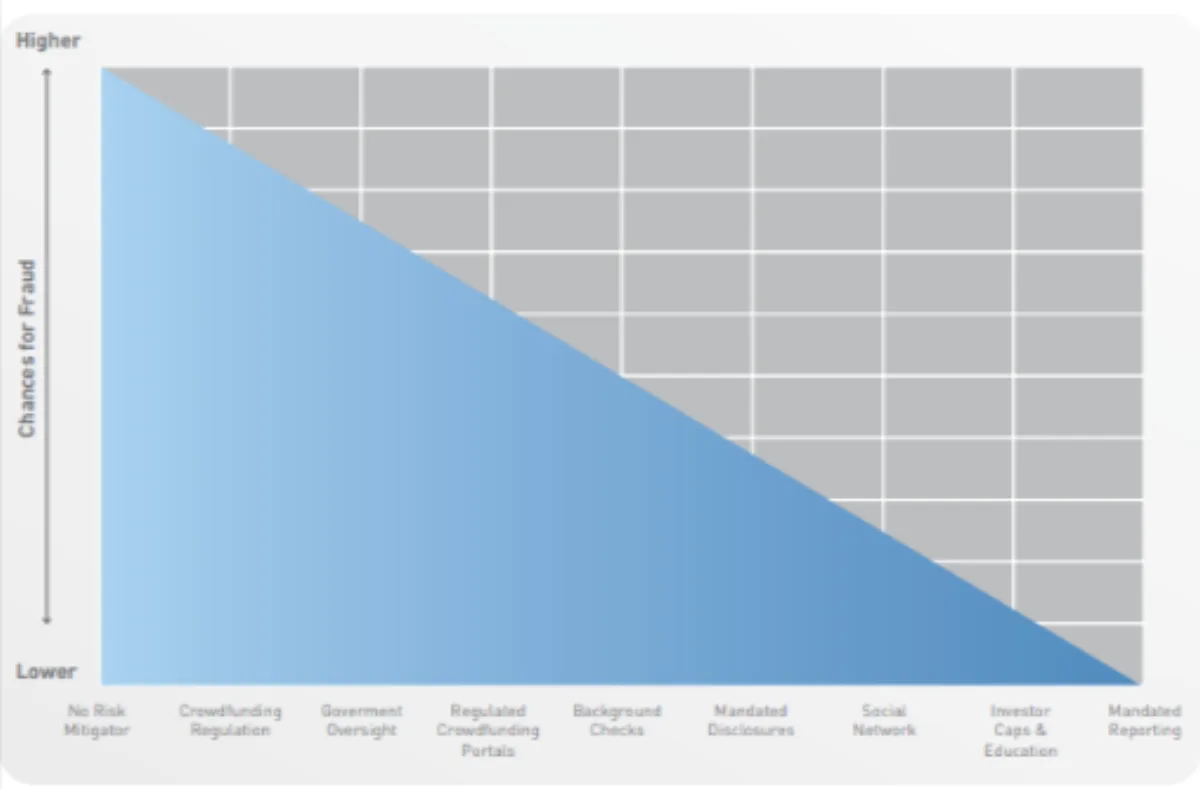
Traditional banks have decades of established regulations, oversight bodies, and deposit insurance. Since they're relatively new, decentralized exchanges must earn user trust by going above and beyond to protect investors' funds from fraud and modern threats like cyberattacks.
Studies from reputable financial journals emphasize that trust in any financial transaction is crucial, and risk mitigation strategies directly influence investor behavior.
Investors need to know they have transparency, good governance, and foolproof procedures in systems that can ensure every dollar is safe regardless of the market environment. The importance of this is impossible to overstate. Investors invest more when they know their money is safe from cyberattacks and other modern security threats.
Key Mechanisms Behind the Security Curtain
Separation of Funds
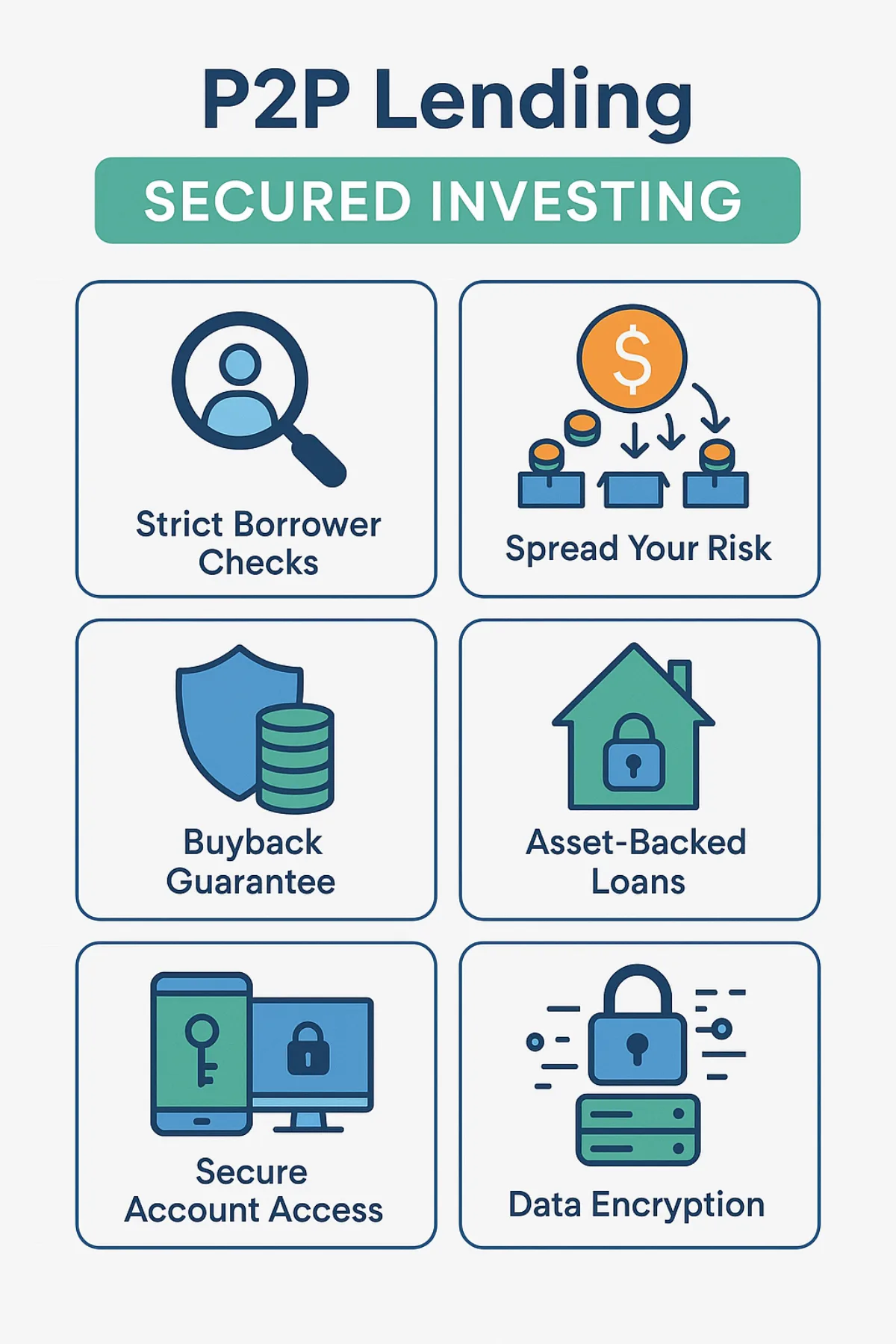
One of the most important security shields in peer-to-peer crowdlending is the segregation of funds. Basically, most such apps have 'baskets' for all accounts. This separates all accounts and ensures that a vulnerability on a specific account does not become systemic. This simple strategy is practical and effective.
Additionally, certified custodians work with these apps to add extra layers of protection and separation for deposited funds.
Escrow Accounts and Third-Party Custodians
Top peer-to-peer websites use escrow accounts to manage the transfer of funds. A typical transaction in this milieu involves an investor financing a loan by directing funds into an escrow account. After that, when borrowers meet the loan terms, the system processes and dispenses the loan.
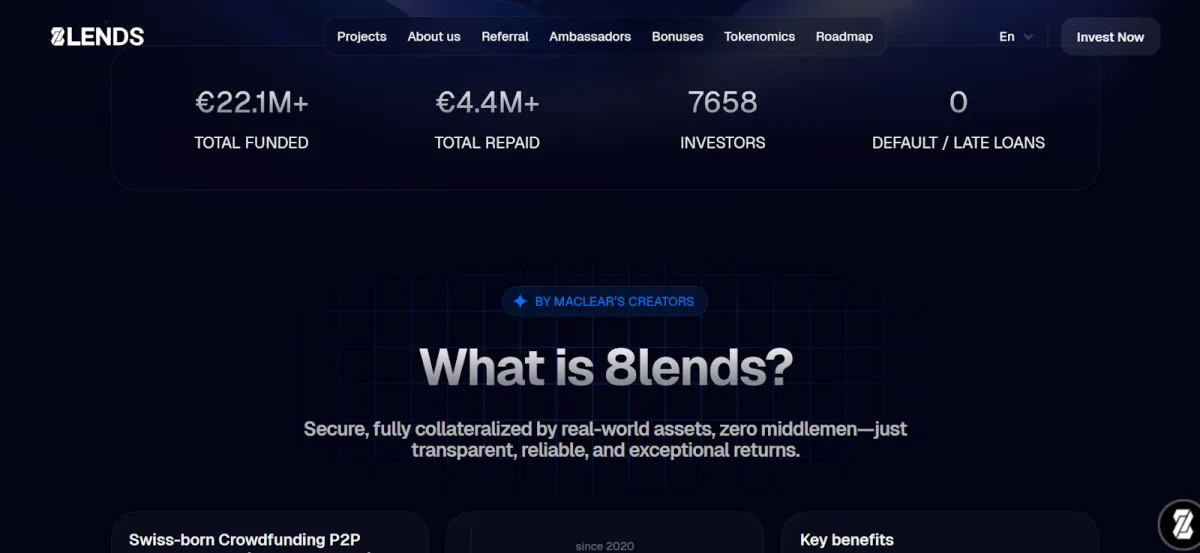
Escrow accounts promote protection on P2P lending apps because they minimize fraud and system abuse by checking and verifying the legitimacy of each transaction. Reputable third-party custodians enhance security by conducting external audits for P2P platforms, such as 8lends for example, that check and verify each transaction and system.
Regulatory Compliance and Oversight
The decentralized credit landscape is no longer ungoverned, thanks to increasing regulatory oversight that has brought much-needed discipline. Today, crowdlending systems abide by rules and guidelines created by federal and state bodies like the SEC, FCA, and ESMA.
Regulatory bodies protect investors' money by overseeing financial activity and enforcing rigorous fund protection measures, risk disclosure, and transparency. Regulation compliance lowers system-wide risks, threats, and vulnerabilities that hackers could exploit to game the system.
Digital Safety and Cyber Awareness
The modern world has many evolving and developing cybersecurity threats. That's why well-established decentralized credit platforms advocate for digital awareness and cyber safety.
Most of these apps use various security practices to protect investor money.
- Firewalls and intrusion detection systems: These systems monitor the front and backend systems for threats and malicious activity.
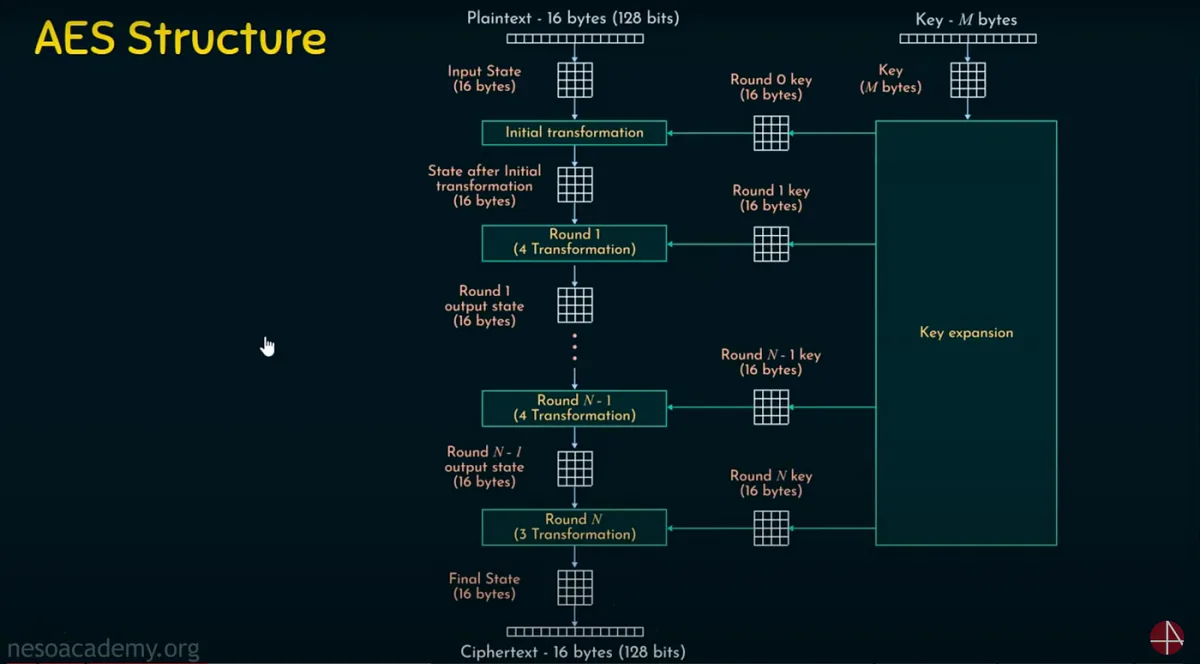
- Encryption protocols: Data encryption protects sensitive information while it's in transit and at rest. Protocols like the Advanced Encryption Standard (AES) are critical because they protect the systems and every transaction.
- 2FA: Almost all P2P crowdlending resources have implemented app or USSD-based two-factor authentication. Adding this security layer significantly reduces unauthorized account access.
- Regular Security Audits: Periodic audits by custodians and third-party cybersecurity experts can help confirm a system’s ability to ward off evolving cybersecurity threats.
Risk Detection and Fraud Management Algorithms
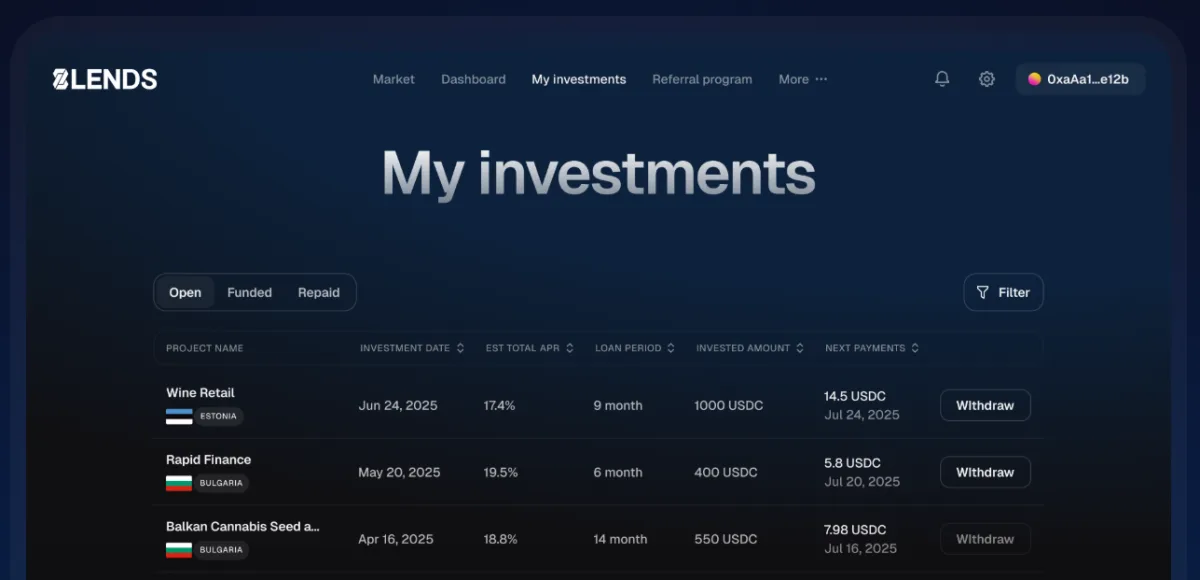
Since we're knee-deep in the AI era, many peer-to-peer crowdlending resources have integrated sophisticated large language and machine learning models as well as tools into their backend security systems to identify and stop fraudulent activity.
These algorithms scan massive data sets to discover anomalies, trends, or warning signs in borrowers' behavior and transactions. This integration minimizes the probability of fraud and reduces the marketplace's overall risk profile.
Transparent Reporting and Independent Audits
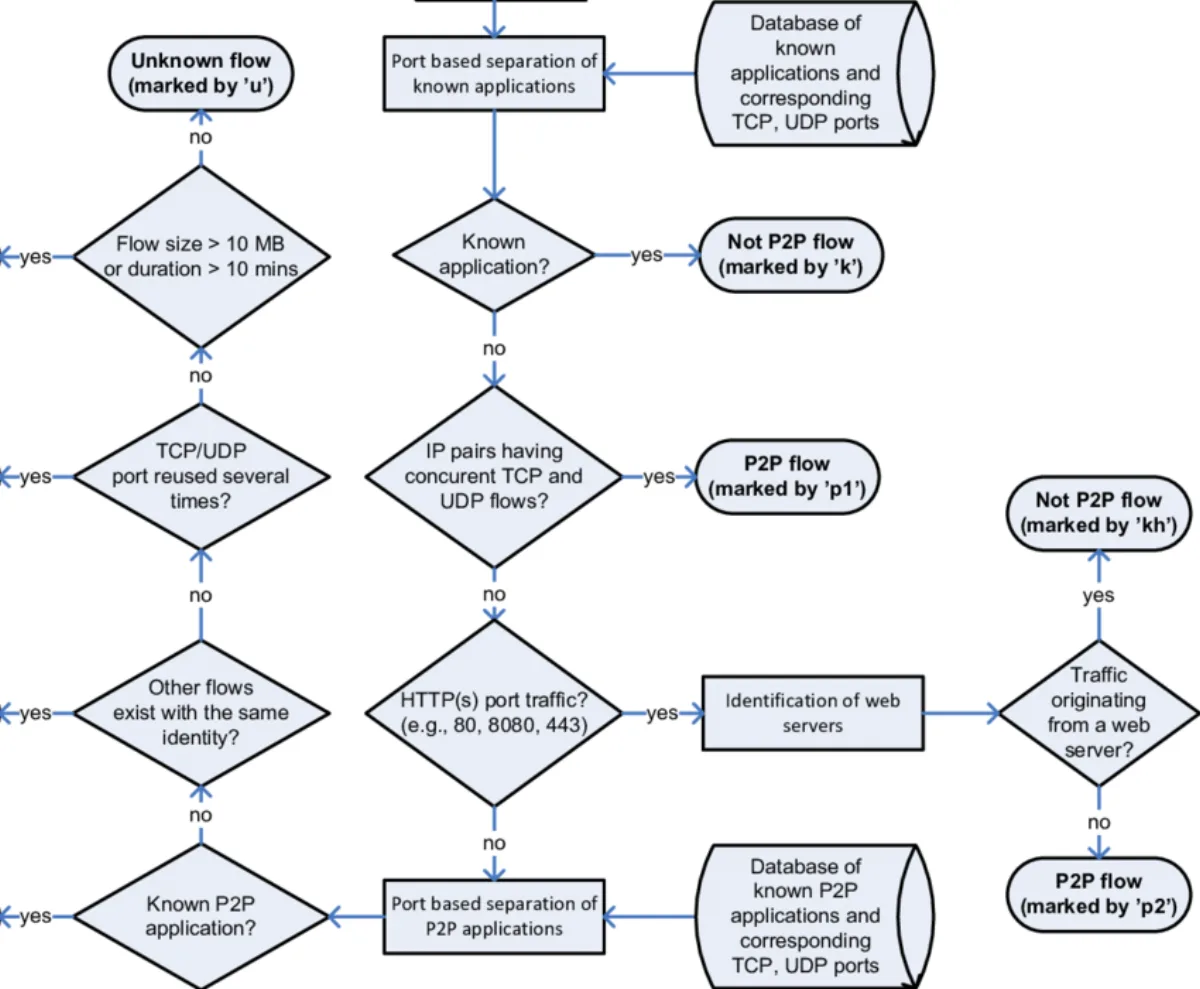
Transparency is a cornerstone in building long-term investor trust. To that end, most popular peer-to-peer apps issue regular transparency reports that include in-depth fund flow breakdowns, risk assessments, and security procedures.
Independent third-party annual or bi-annual audits enhance security and user trust by objectively assessing the platform's financial health and operational integrity.
Technology and Human Oversight
State-of-the-art technology is the core system that secures user funds on P2P crowdlending platforms. Still, the human element – think oversight, expertise, and moral sophistication – is important to complete the security landscape.
Regulatory experts, cybersecurity professionals, and risk managers work together to monitor the virtual and operational worlds for threats. Coordinated human supervision can intervene promptly, even when an algorithm fails to identify a potential threat. When P2P lending platforms integrate AI and human monitoring, it creates a secure system that investors and borrowers can trust.
Platforms take things a step further by engaging with their communities, providing access to security protocols, sharing updates on threat intelligence, and offering support in the case of suspicious account behavior. This transparency builds trust, community, and security awareness among users.
Conclusion
A delicate dance between innovation and security lies at the heart of all the successful P2P crowdlending platforms. From keeping funds separate and using escrow accounts to utilizing next-generation encryption and AI-driven anti-fraud analysis, these platforms spend enormous amounts of money on protecting each dollar placed in their care.
There are many reasons to take advantage of this spectacular technology to access credit opportunities like never before and profit handsomely off of providing it with minimal risk. 8lends has meanwhile never encountered a default or a late payment and allows investors to share their risk, spreading it out among multiple projects, with no commission fee.
次に読む

ご質問はありますか?
すべての質問プラットフォームはCertiKとCyberscopeの監査を受けており、すべての取引はBase上で公開されています。明確な役割を持つ2社が支えています:CLEARCHAIN CORP(プラットフォームの運営、カナダのFINTRACにMSBとして登録)、Maclear AG(デューデリジェンスと担保)。適切に規制され、透明性と説明責任のある運営です
BuyBack付きの案件なら、60日以上の延滞でパートナーがローンを買い取り、元本の100%を返還します。BuyBackがない場合はMaclear AGが担保の売却を開始し、収益は投資家に比例配分されます。ローンチ以来デフォルトはありません
プラットフォームを運営するのはCLEARCHAIN CORPで、カナダでMoney Services Business(MSB)として登録され、FINTRACのもとで義務的なAML/CFTコンプライアンス要件の対象となっています。決済はUSDで行われます。プラットフォームはCASPではないため、DAC8の要件は適用されません
発展途上地域の中小企業は銀行融資へのアクセスが難しく、EUや米国の企業より高い金利を受け入れています
満期前にセカンダリーマーケットで他の投資家にポジションを売却できます。Fastlendingには固定期間がなく、元本と収益はいつでも引き出せます
最低投資額は100 USDです
企業の不払いリスク、担保価値の変動リスク、セカンダリーマーケットで買い手がいない場合の流動性リスク、スマートコントラクトに関わる技術的リスク
100〜500 USDの投資はKYC不要です。500 USD超は本人確認書類と住所証明による完全な認証が必要です