Cost Basis and the Flat 19% Crypto Tax
It’s highly likely all of your crypto taxation calculations will be done using this number. However, this doesn’t refer to specific earnings you make through business endeavors, but appreciation in the value of digital assets at the point that it’s converted. You can hold onto your coins for as long as you want without ever paying the KAS on it, until the time that you decide to use it for:
- Purchasing some property, service, or goods
- Exchanging into a fiat currency like zlotys or dollars
- Settling liabilities with it
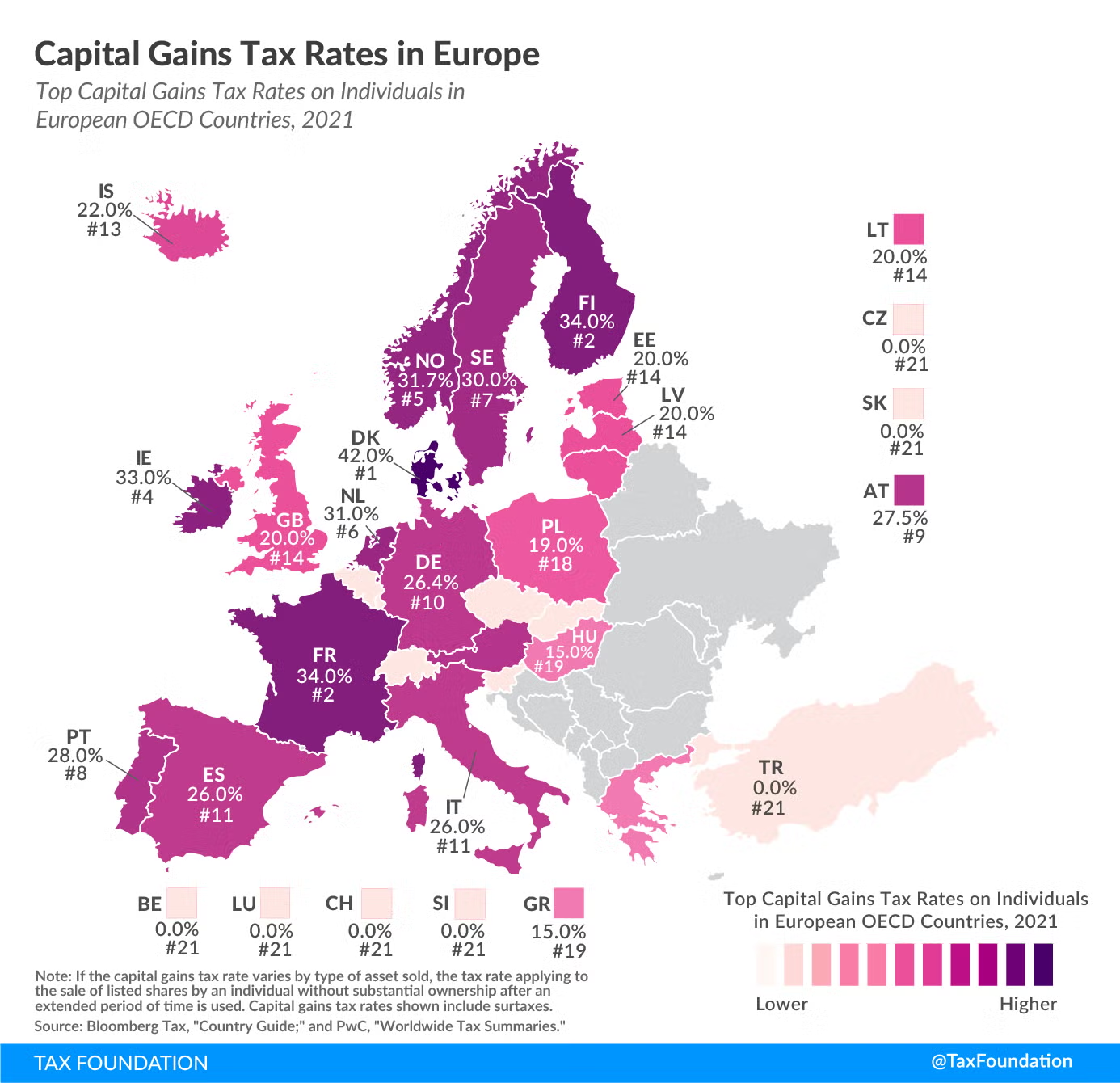
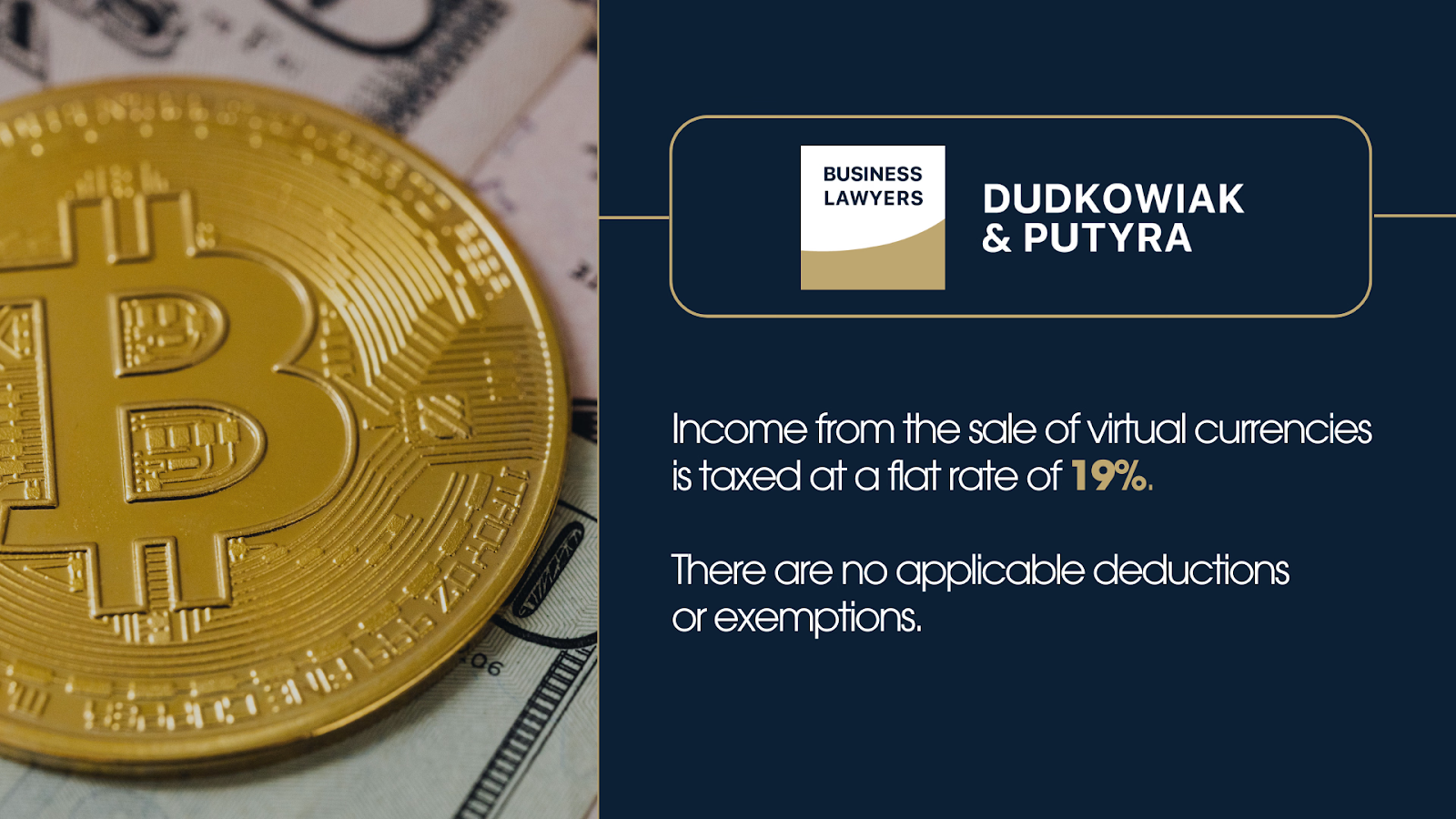
Poland applies a flat 19% capital gains rate to profits to keep taxation consistent, predictable, and separate from progressive personal income brackets. This approach treats crypto similarly to other capital assets, rather than employment or business income.
From the perspective of cryptocurrency taxes, the flat rate simplifies compliance: regardless of how much profit an investor makes, the same percentage applies. There is no minimal amount to have to pay, nor is there any holding period after which disposals are exempt from state debt, nor is there any allowance.
This structure reflects how the KAS views digital assets — not as money, but as property whose value becomes subject to state payment only when settled. This is essential in looking at specific crypto transactions and how they trigger levies.
Traders do not owe the 19% gains on the following:
- Swapping digital currencies
- Buying digital coins with zloty, euros, or some other fiat
- Acquiring virtual coins through business pursuits
- Holding
- Exchanging coins between wallets
Value fluctuations alone are irrelevant until an actual settlement occurs. This distinction explains why investors may hold assets for years without fiscal consequences, only triggering obligations once a transaction converts value into something economically usable.
How Deductions Work for Crypto Taxes in Poland
When calculating cryptocurrency taxes in Poland, deductions are far more limited than many investors expect. Under current rules applied by KAS crypto, only costs that are directly connected to acquiring or disposing of digital cash may reduce the base subject to state debt. This distinction is critical when determining debt to the KAS.
The key principle is that digital currency is treated as a property right, not as a business activity for most private investors. As a result, business-style expenses are not deductible, even if they were incurred while trading or managing virtual holdings.
The following expenses may be included as deductible acquisition or transaction costs and used to reduce reported income that has to be paid on:
- Purchase price of digital assets, whether paid in PLN or another fiat currency
- Exchange trading fees, including maker/taker fees
- Transaction commissions charged by platforms or brokers
- Blockchain network fees paid when acquiring or disposing, if directly tied to the transaction
- Currency conversion fees applied by exchanges when buying or selling
Even if costs for acquiring digital assets are necessary in practice, they do not qualify under PIT rules. They include:
- Electricity, internet, or equipment costs
- Mining hardware or infrastructure
- Subscriptions, analytics tools, or portfolio trackers
- Advisory, accounting, or legal services
- Wallet setup or security devices
Many investors acquire virtual cash gradually at different prices. When only part of a holding is sold, the KAS requires proportional allocation of costs. This means the acquisition cost used for return purposes must reflect the portion actually disposed of. This approach becomes especially important when calculating debts over long investment periods. Improper cost allocation can inflate included income or trigger disputes during audits.
Crowdlending as an Alternative to Crypto Volatility
As investors navigate cryptocurrency tax rules, PIT-38 reporting, and complex cryptocurrency settlement requirements, many look to balance their portfolios with more predictable income sources. One option is crowdlending, where returns come from interest rather than price fluctuations. In Poland, it’s recently been declared that investors do not owe VAT or PCC.
Platforms like 8lends allow investors to fund loans for credit-worthy borrowers who may not qualify for traditional bank financing. Risk and costs are shared across multiple investors, while borrower reliability is assessed using data from leading credit agencies. This creates a more structured investment model compared to assets exposed to Bitcoin tax or other crypto-related volatility.
How KAS Looks at Crypto Activity in Practice
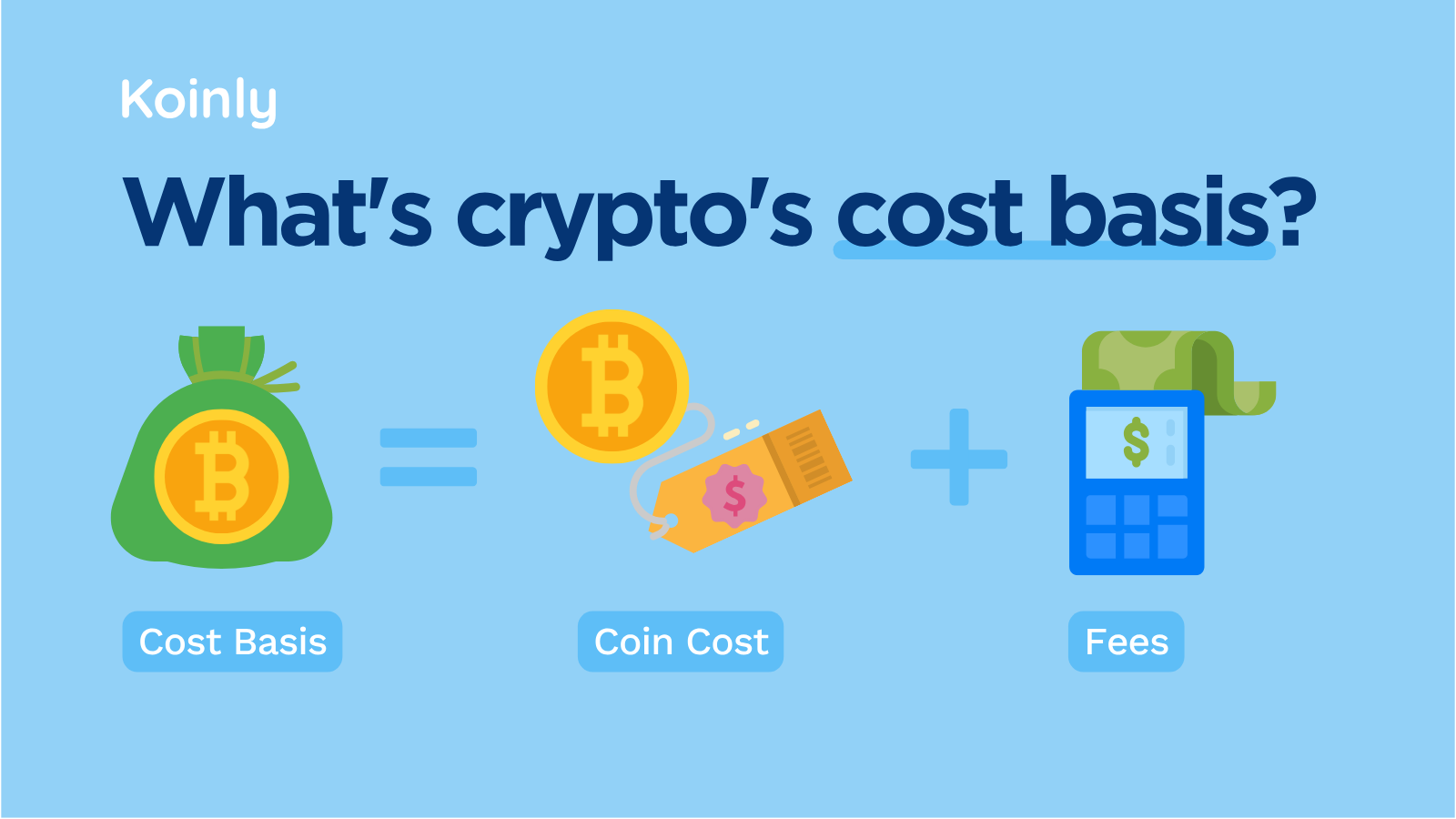
With increasing international data sharing and EU reporting standards, including DAC frameworks, crypto KAS oversight now relies heavily on transaction histories from exchanges and payment platforms. This means that even activity carried out abroad still falls under Polish jurisdiction if the individual is a Polish resident. The way that gains are calculated is as the final disposal price of the crypto minus what the individual originally paid to acquire the crypto, also known as the cost basis, and the direct associated fees for the transaction.
Cost Basis Calculation
First, let’s imagine Kasia, who pays for services using crypto. She bought 2 ETH in 2023 for a total of 10,000 PLN, including exchange fees, giving her a cost basis of 5K per ETH. In 2025, she uses 0.5 ETH to pay for website development for her business. At the time of payment, 1 ETH is worth 12K, so the 0.5 ETH used has a market value of 6K. The cost basis for the 0.5 ETH is 0.5 × 5K = 2,500 PLN. The relevant gain is therefore 6K − 2,500 PLN = 3,500 PLN. Kasia owes 3,500 × 19% = 665 PLN.
Converting Crypto to Zloty
Michał purchased Ethereum gradually for a total of 30,000 zloty, establishing his overall cost basis. In 2025, he sells all of it for 55K, receiving the funds in his bank account. The gain is calculated by subtracting the cost basis from the proceeds, which is 55K − 30K = 25K. Applying the 19% flat capital gains, Michał owes 25,000 × 19% = 4,750. Even though this transaction occurs on an exchange, it is considered a cryptocurrency settlement and must be included in PIT-38 reporting.
Receiving Gifted Crypto and Disposing
Magda receives 1 BTC as a gift from her brother in 2025. At the time of receipt, she does not report any income under PIT-38 cryptocurrencies, because gifts do not incur state debt until disposal. Her cost basis is 0 PLN. In 2026, she sells the BTC for 120K. Since her cost basis is 0, the entire 120K is considered a relevant gain. Applying the 19% capital gains, she owes 120K × 19% = 22,800 zloty.
Overall Losses for the Year
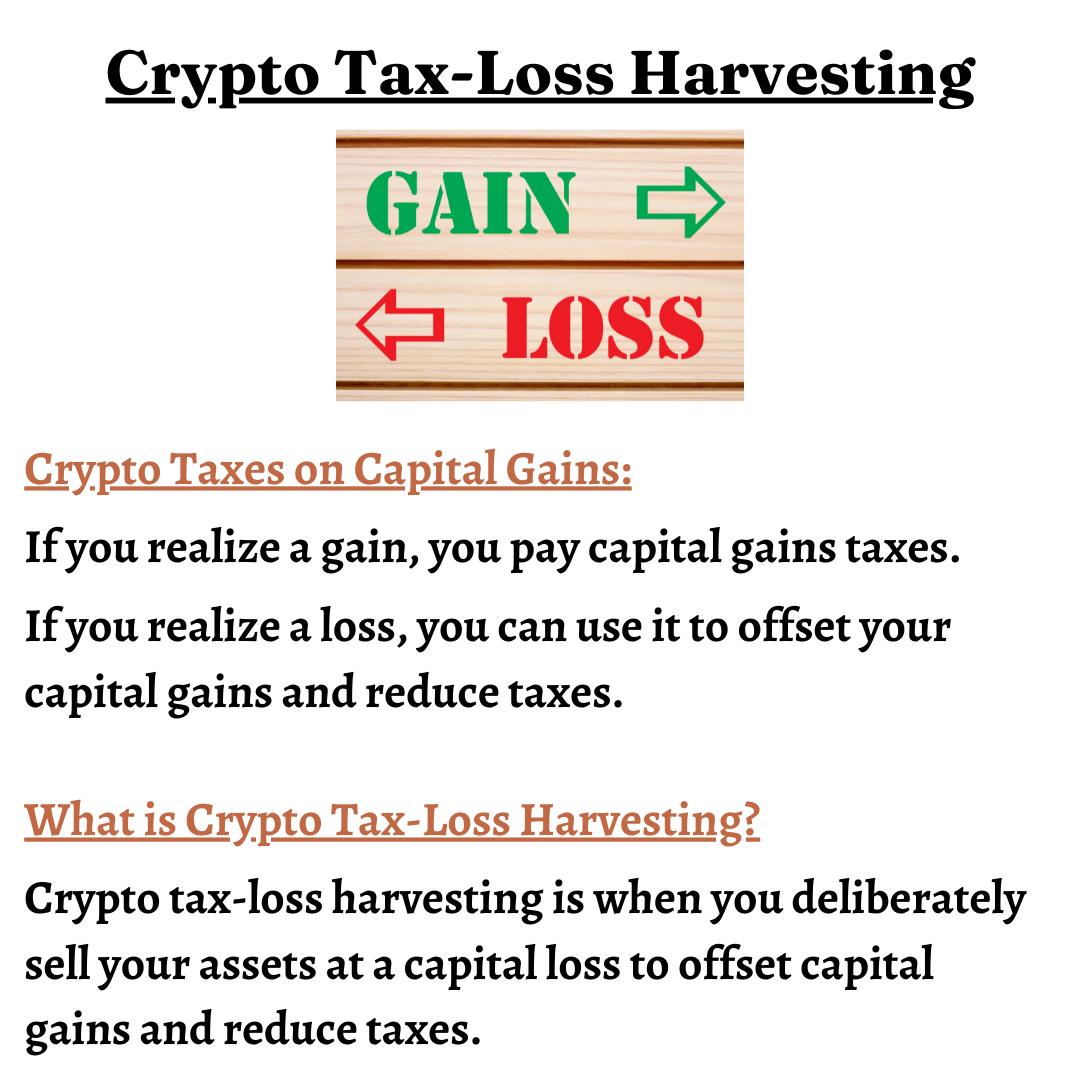
Janek traded several altcoins in 2024 but sold some at a loss. His total relevant loss for the year amounted to 15,000 PLN. Since he had no other applicable asset appreciations in 2024, he owes no cryptocurrency debt to the KAS for that year, but he can carry forward the losses to offset gains in future years. In 2025, he sells holdings that generate a capital gain of 20,000. Using the carried-forward loss of 15,000, his net relevant gain for 2025 is 20,000 − 15,000 = 5,000. Applying the 19% flat rate, Janek owes 5,000 × 19% = 950 PLN.
Common Errors That Trigger Problems With Crypto KAS
Many issues with crypto KAS oversight arise not from fraud, but from misunderstandings of how the system works.
Here are the most widespread oversights:
- Assuming debt to the state is only incurred when funds are withdrawn to a bank account, rather than when value is economically realized.
- Failing to file a PIT-38 in years where losses occurred. Even when nothing is due, failure to report can prevent future loss deductions and raise red flags during audits.
- Incomplete documentation of acquisition costs or transaction history.
- Thinking that having barely any sales means they don’t owe anything. Poland does not offer a true exempt amount for virtual coins; instead, relief comes through cost deduction and loss carry-forward mechanisms.
- Overlooking how different blockchain activities are classified — especially mining and staking, and filing a lesser amount accordingly.
Conclusion
Understanding when disposal occurs is essential for staying compliant with the KAS crypto framework. While the 19% rate itself is straightforward, real complexity comes from handling partial sales, cost allocation, losses, and different income sources such as NFTs or DeFi activity. Careful record-keeping and accurate cryptocurrency settlement remain key to avoiding errors and penalties.
At the same time, many investors choose to balance virtual coin exposure with more structured alternatives that are easier to manage from a tax and planning perspective. One such option is crowdlending through 8lends, where investors can earn returns from interest paid by credit-worthy borrowers who were unable to access traditional bank financing. Investments are distributed across multiple participants, and borrower risk is assessed using data from leading credit agencies, helping create a more predictable return profile than highly volatile assets.
If you’re looking to diversify beyond digital assets while maintaining a disciplined, data-driven investment approach, 8lends offers a practical way to put your capital to work more efficiently.