
2025년 9월 2일3 분 소요
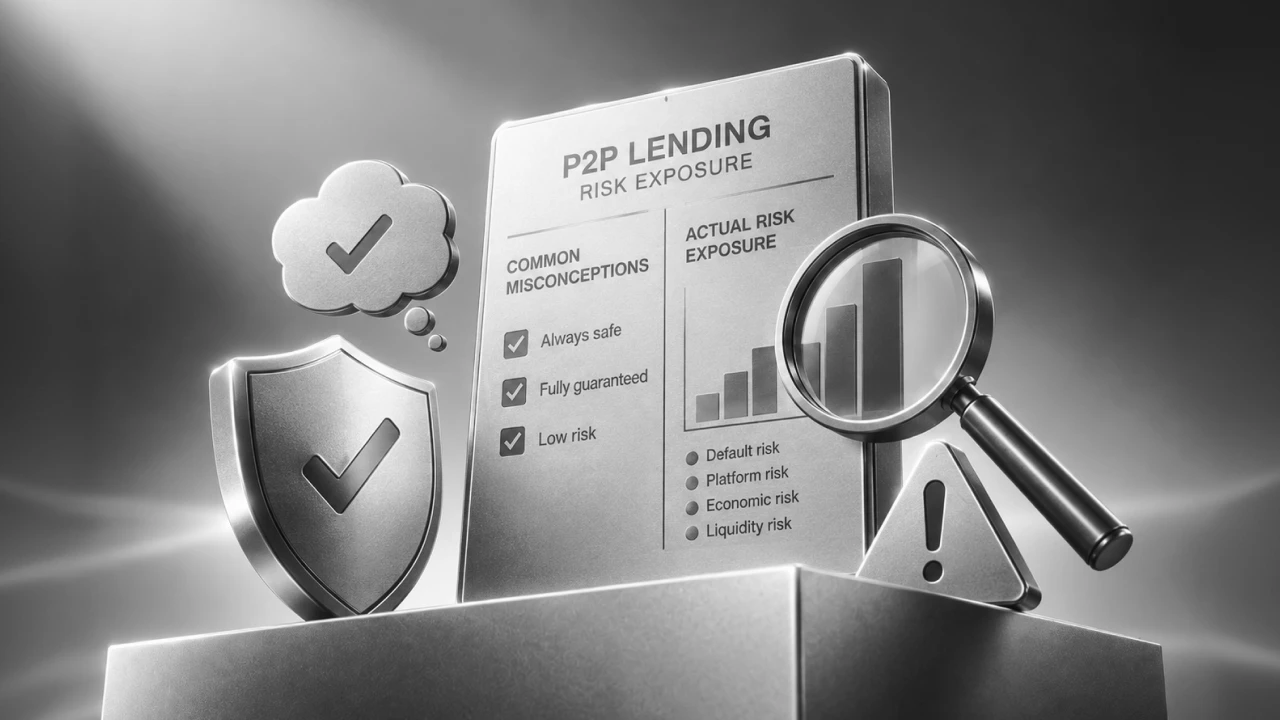
개인 간(P2P) 대출은 은행을 거치지 않고 온라인 사이트를 통해 사람들이 서로에게 돈을 빌려주는 방식입니다. 대출자에게는 더 높은 이자를, 차입자에게는 더 쉬운 대출을 제공합니다. 단순하고 유용해 보이지만, 사람들이 의심하지 않는 위험도 존재합니다. 여기서는 여러 자료의 통찰을 바탕으로 P2P 대출 위험에 대한 흔한 오해를 바로잡아 균형 잡힌 시각을 제공합니다.
What is P2P Lending?
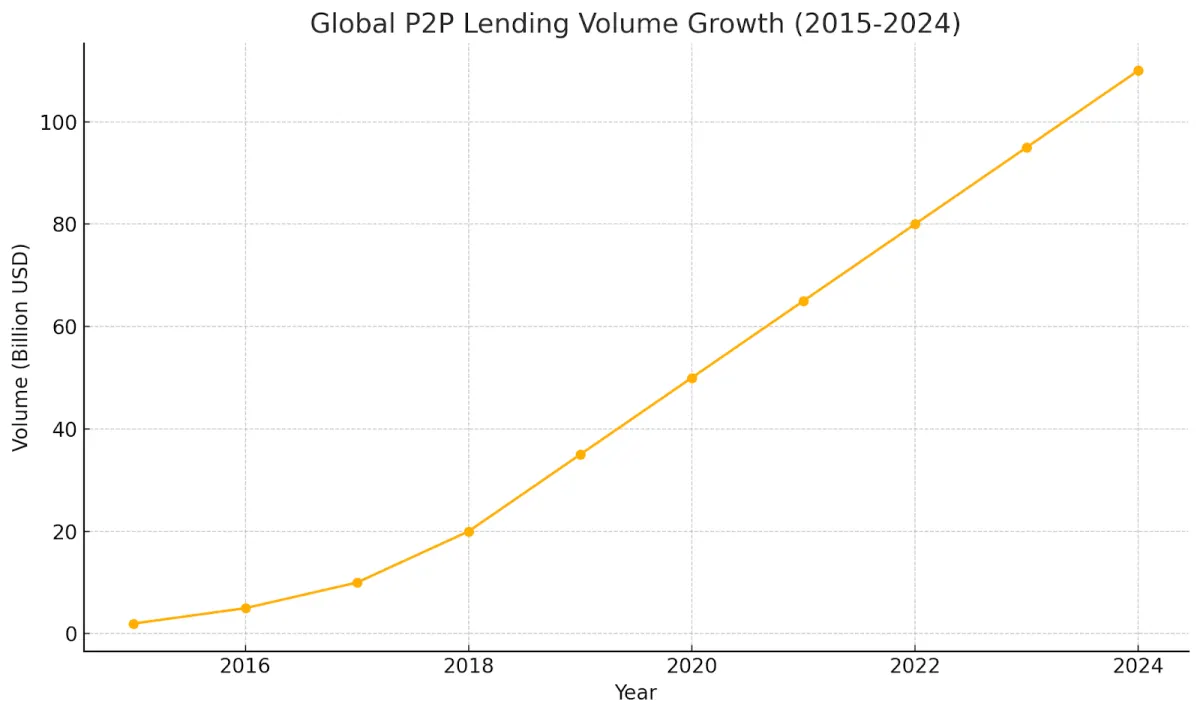
Peer-to-peer lending began as a new choice beyond banks so that lenders could earn more and borrowers could get money faster. Yet the risks are often missed. Borrowers can default, and platforms have the possibility of failing. P2P lending grew out of crowdfunding and expanded fast when fintech took off, bringing many new users on board. Yet some ideas about its dangers are off the mark, and that can lead to choices that cost people.
The biggest problems though are the myths that grew with the popularity of P2P lending. Let’s tackle eight of these myths while backing up our stand with up-to-date data and expert insights.
Detailed Misconceptions and Realities
Many investors put all their faith in broad claims about peer-to-peer lending without reading the fine print. Digging into the real rules, tools, and safeguards gives a clearer view of what lies ahead. Some stories make P2P lending sound like a free-for-all. Others make it seem safer than it truly is.
We will cut through the hype and show the frameworks and practices that shape real outcomes. This close look explains how regulation, credit checks, default handling, and market shifts work together so that your choices rest on solid ground. With that settled, we can tackle the first big myth.
Misconception #1: P2P Lending is Unregulated and Unsafe
Myth: Many investors think P2P lending runs without rules like the Wild West and is very risky.
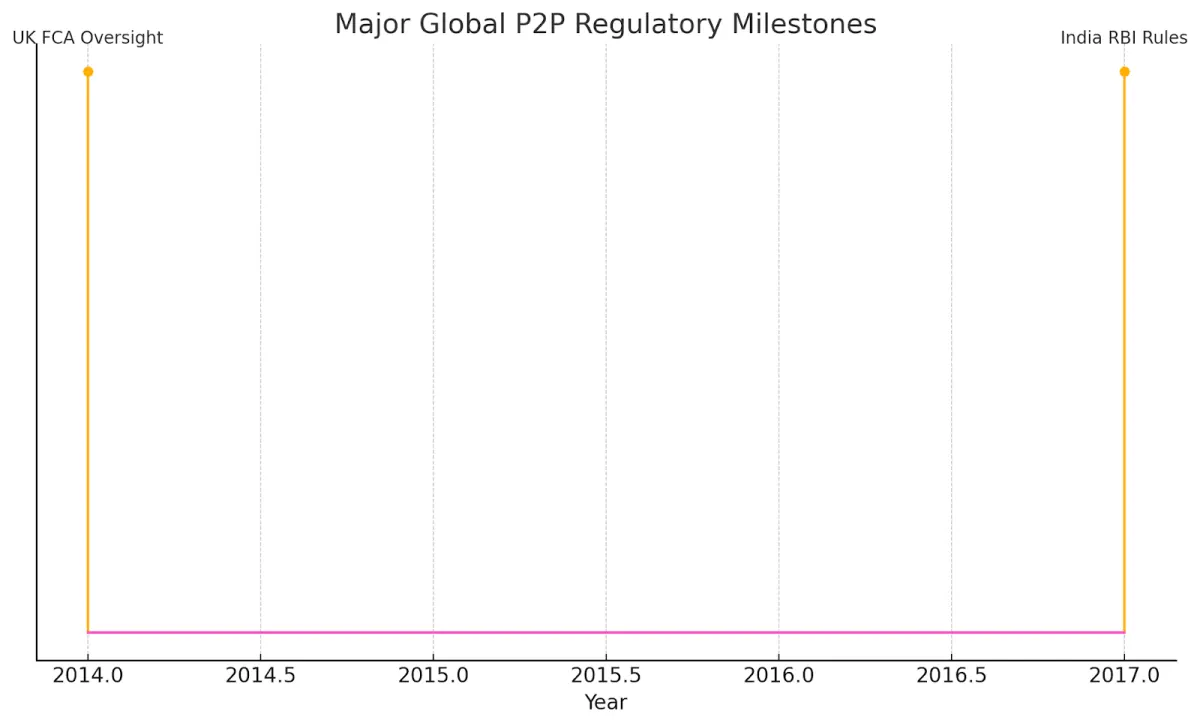
Reality: P2P lending faces rules in many places. In the UK, the Financial Conduct Authority (FCA) has overseen it since 2014 so that platforms follow clear standards and protect users. In India, the Reserve Bank of India (RBI) set rules in 2017 requiring clear disclosures, escrow accounts, and risk warnings. Rules cut some risk, but defaults and platform failures still happen, so investors need to stay alert.
Misconception #2: All Borrowers on P2P Platforms Are High-Risk
Myth: People assume P2P only serves borrowers that banks reject.
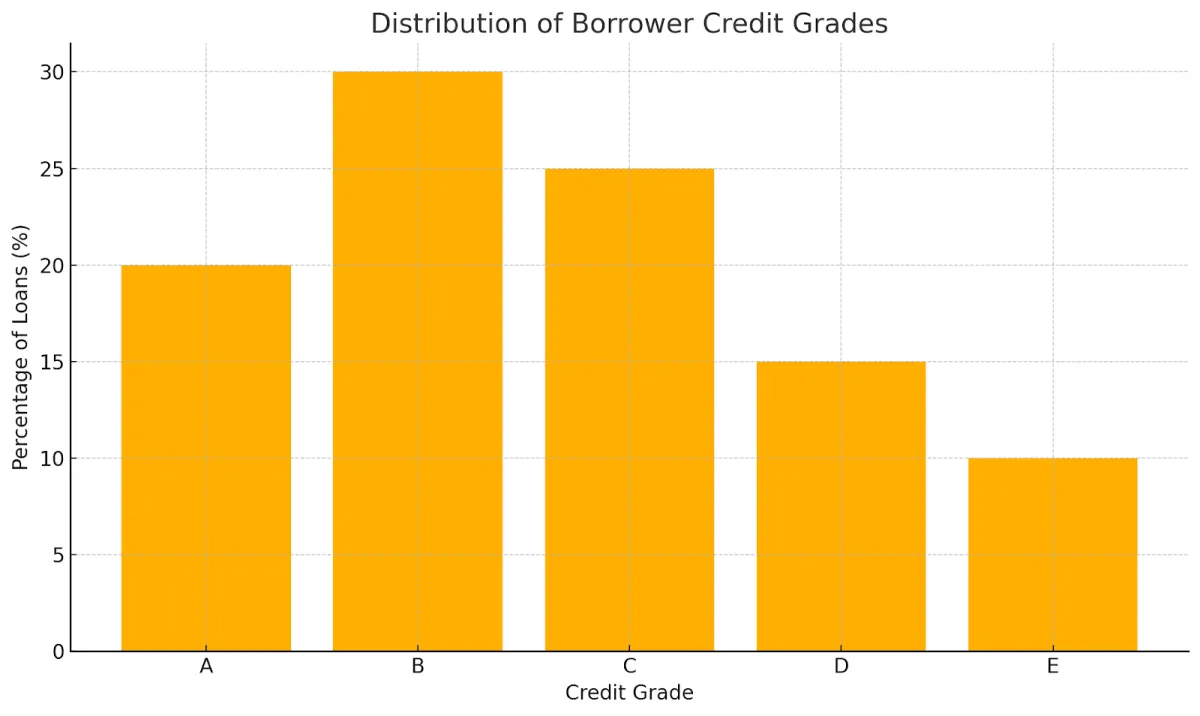
Reality: Platforms use tools and data to check credit. 8lends, for example, shows detailed borrower stats so lenders can judge risk for themselves. In Switzerland, rules force platforms to match lenders with a mix of credit grades, from top to lower scores. Investors choose loans by score, which cuts the sense that all borrowers are risky.
Misconception #3: P2P Lending Platforms Guarantee Loans
Myth: Some believe platforms insure loans like banks do with deposits.
Reality: Most P2P sites only connect lenders and borrowers. Lenders bear all the credit risk if a borrower can’t pay. Investopedia warns that lenders must plan for defaults. RBI rules in India bar platforms from promising repayment support. A few platforms offer “provision funds,” but these vary in scope and do not guarantee full repayment.
Misconception 4: Diversification Eliminates All Risk in P2P Lending
Myth: Spreading money across many loans eliminates all risk.
Reality: Putting money into many loans cuts the hit if one fails, but it does not remove other risks. Experts note risks like too much exposure on one platform or a broad market downturn. A study shows that lending too much to any one borrower still raises default probability. Diversification helps, but it is not a complete shield.
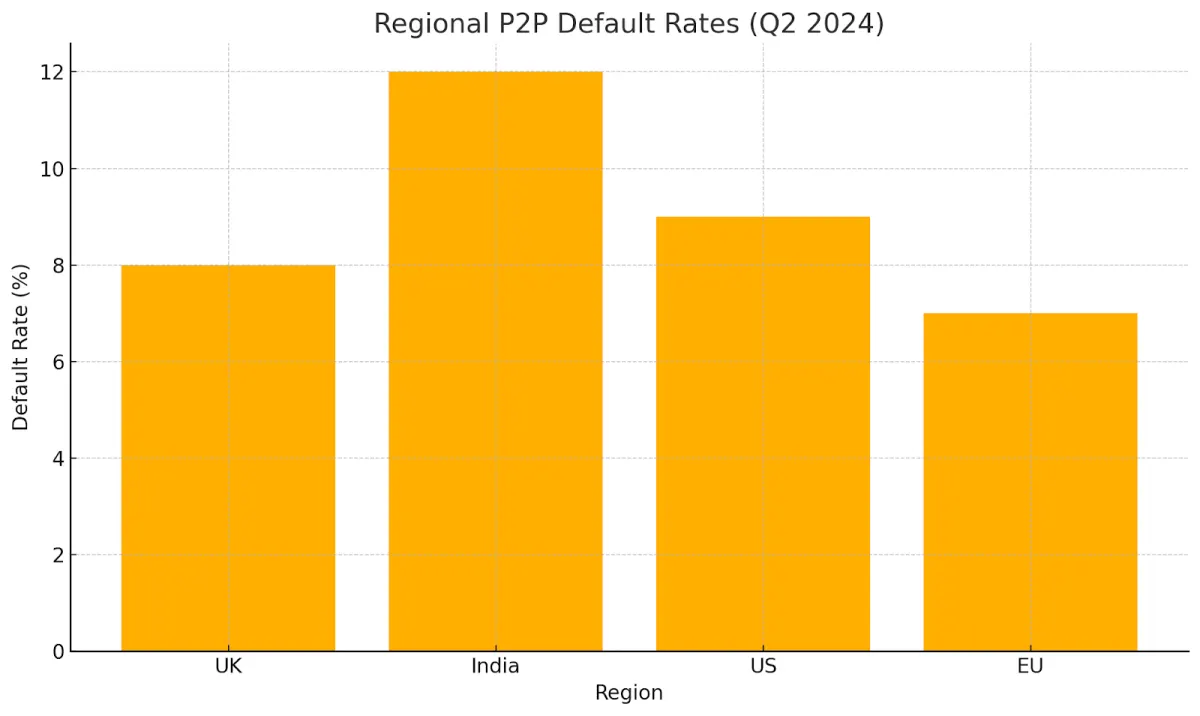
Misconception #5: P2P Lending is as Safe as Bank Deposits
Myth: Some compare P2P safety with bank savings accounts.
Reality: Bank deposits often carry government insurance, but P2P loans do not. Individual investors take all the risk. P2P default rates can top 10 percent, while bank delinquency sits near 1.4 percent as of Q2 2024. Higher returns reflect higher risk, making P2P very different from a savings account.
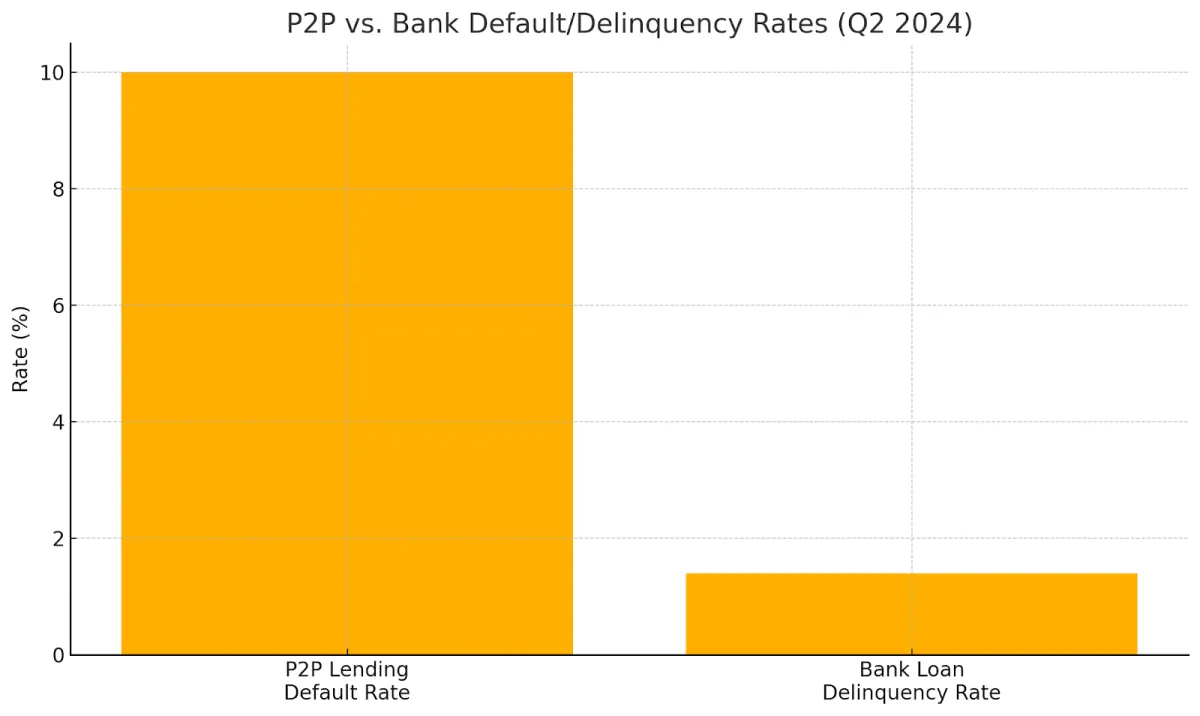
Misconception #6: It’s Impossible to Assess Risk in P2P Lending
Myth: Many assume risk checks are too complex or that data is lacking.
Reality: Platforms give plenty of tools: credit scores, loan grades, and past performance charts. Third-party services like Orchard and dv01 add more layers of risk analysis. Investors use these details to match loans to their own comfort level.
Misconception #7: P2P Lending Investments Are Highly Liquid
Myth: Investors often think they can pull out money anytime.
Reality: Liquidity depends on the platform. Some run a secondary market for loan sales, but that can dry up in tough times. Experts warn that if loans can’t be sold early, cash stays locked up, and you may miss other chances. Planning for possible delays is key, especially without a firm secondary market.
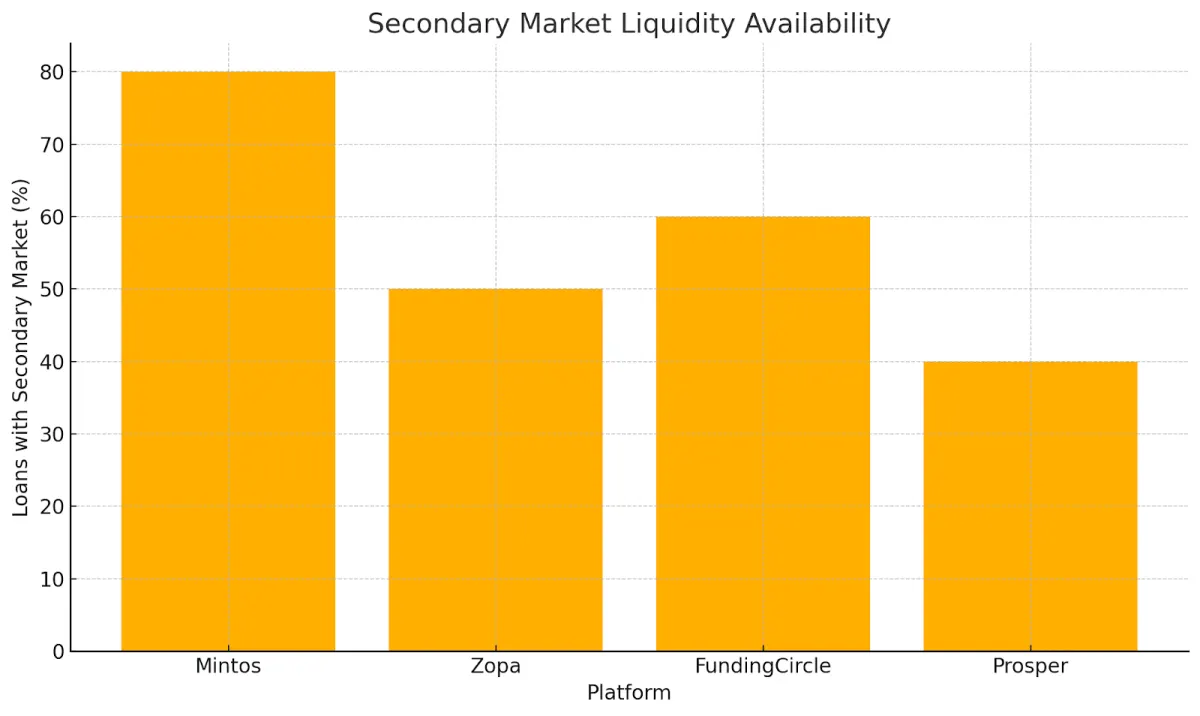
Misconception #8: P2P Platforms Are Immune to Cyber and Operational Risks
Myth: P2P sites never suffer hacks or outages. Lenders assume their data and money stay safe at all times.
Reality: Platforms face cyberattacks and system failures that can expose personal details or lock up funds during downtime. Breaches may lead to identity theft or fraud, while outages stop loan servicing and trading.
To guard against this, solid platforms like 8lends use encryption, multi-factor authentication, regular security audits, pen tests, and clear incident-response plans. Before you lend, check a site’s security certifications and published risk controls so that you know how it handles these hidden threats.
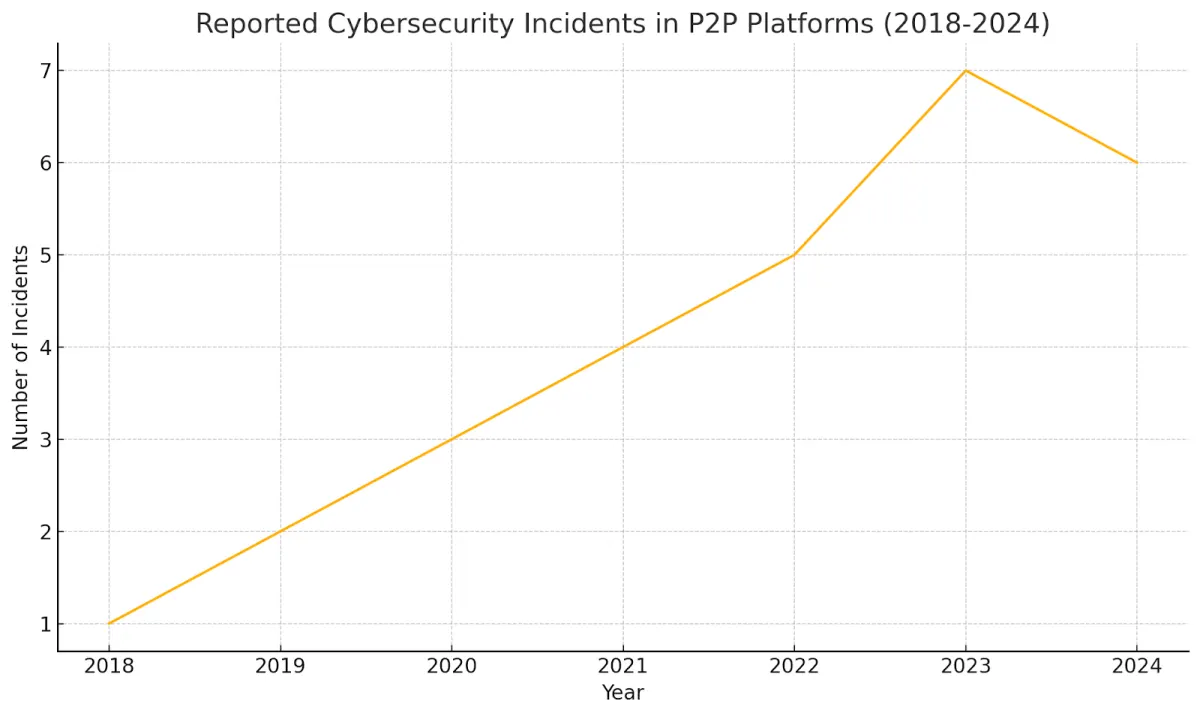
To further illustrate, here's a table summarizing the risks and corresponding misconceptions:
| Risk Category | Misconception | Reality |
|---|---|---|
| Regulatory Risk | Unregulated and unsafe | Regulated in many countries, e.g., FCA, RBI, with consumer protection rules |
| Credit Risk | All borrowers are high-risk | Platforms assess credit, offering varied risk levels |
| Guarantee Risk | Platforms guarantee loans | Lenders bear credit risk; no guarantees are typically provided |
| Diversification Risk | Diversification eliminates all risk | Reduces but doesn't eliminate platform or systematic risks |
| Safety Risk | As safe as bank deposits | Riskier, no government insurance, higher default rates |
| Assessment Risk | Impossible to assess risk | Tools and data are available for risk evaluation |
| Liquidity Risk | Highly liquid investments | Varies, secondary markets are not always available, potential delays |
Cross-Border Lending and Regulatory Divergence
Cross-border P2P lending brings its own set of legal and regulatory headaches when money moves between countries. Each place has its own consumer safety rules, money controls, and tax laws that may hide extra fees or legal traps. Doing solid legal homework, picking platforms that lay out all their rules clearly, and learning how local fintech rules work are key steps to expand abroad safely.
Implications for Investors
Knowing these mistakes helps you handle risk better. Investors need to look into platform rules and review borrower backgrounds so that they understand who they are backing. Accept that loans can go bad. Spread your money around to lower risk.
Remember, it is riskier than banks. Use tools to check risk and plan for cash needs. The peer-to-peer lending market is growing, and AI credit scoring brings new help, but learning remains key.
Conclusion
Peer-to-peer lending provides good opportunities to earn returns. It requires a clear view of the possible downsides though so that you do not get caught off guard or take more risks than you want. Cutting out false beliefs lets investors make choices that fit their needs and what they can handle.
So far 8lends has yet to experience a default or a late payment and while risk can never be totally eliminated, it can be managed wisely and strategically. Collateral is used to back loans in case borrowers do default though and investors are charged zero commission on their earnings.
다음 읽을거리


궁금한 점이 있으신가요?
모든 질문플랫폼은 CertiK와 Cyberscope의 감사를 받았으며 모든 거래는 Base에서 공개적으로 확인할 수 있습니다. 책임이 명확한 두 회사가 뒷받침합니다: CLEARCHAIN CORP(플랫폼 운영, 캐나다 FINTRAC에 MSB로 등록)와 Maclear AG(실사와 담보). 플랫폼은 잘 규제되고 투명하며 책임 있게 운영됩니다
BuyBack이 있는 프로젝트라면 60일 이상 연체 시 파트너가 대출을 매입해 원금의 100%를 돌려줍니다. BuyBack이 없으면 Maclear AG가 담보 매각을 시작하고 대금은 투자자에게 비례 배분됩니다. 출시 이후 부도는 없었습니다
플랫폼은 캐나다에서 Money Services Business(MSB)로 등록되어 FINTRAC의 의무 AML/CFT 컴플라이언스 요건을 적용받는 CLEARCHAIN CORP가 운영합니다. 정산은 USD로 이루어집니다. 플랫폼은 CASP가 아니므로 DAC8 요건이 적용되지 않습니다
개발도상 지역의 중소기업은 은행 금융에 쉽게 접근하지 못해 EU나 미국 기업보다 높은 금리를 감수합니다
만기 전에 세컨더리 마켓에서 다른 투자자에게 포지션을 판매할 수 있습니다. Fastlending은 고정 기간이 없어 원금과 수익을 언제든 인출할 수 있습니다
최소 투자액은 100 USD입니다
기업의 미상환 리스크, 담보 가치 변동 리스크, 세컨더리 마켓에 매수자가 없을 때의 유동성 제한 리스크, 스마트 컨트랙트 관련 기술 리스크
100–500 USD 투자는 KYC 없이 가능합니다. 500 USD 초과 시 신분증과 주소 증명을 통한 전체 인증이 필요합니다