
P2P 이용자 자금이 보이지 않는 곳에서 어떻게 보호되는가
2025년 8월 7일5 분 소요
개인 간(P2P) 크라우드렌딩은 중개 은행을 거치지 않고 투자자와 차입자를 직접 연결하는 혁신적이고 현대적인 금융 체계입니다. 더 많은 투자자가 다각화와 더 높은 수익을 원하지만, 대개 P2P 크라우드렌딩에 대해 한 가지 질문을 갖고 있습니다. '이용자의 자금은 얼마나 안전한가?' 이 글에서는 투자자의 자금을 안전하게 지키는 기술, 규제 감독, 운영 전략의 독특한 조합을 살펴보겠습니다.
How P2P Crowdlending Has Evolved Over the Years
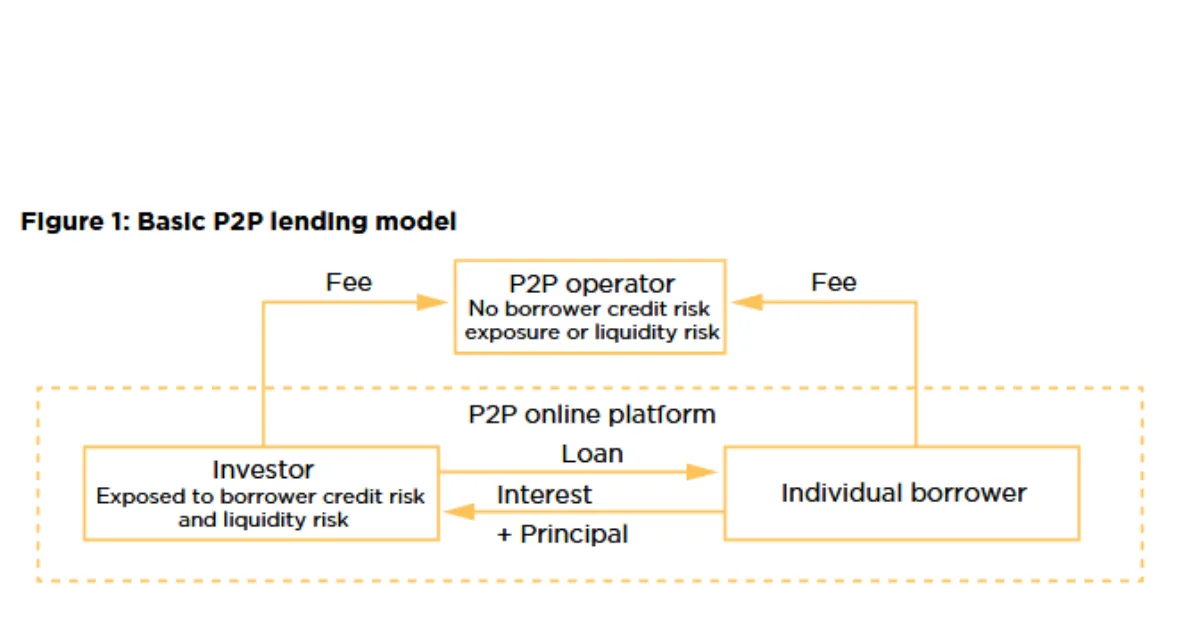
P2P crowdlending platforms have gone mainstream over the past decade. Initially, most people considered P2P lending a special market suited only to tech-savvy early adopters. Today, decentralized credit apps command headlines, and investors and borrowers flock to them for all their funding and income-generation needs.
These innovations allow individuals to invest small amounts that collectively fund big loans. Over the years, the system has evolved rapidly, and so has the complexity of the systems used to safeguard investors' funds. Through advanced and integrated risk analysis tools, multi-level security measures, and adherence to rigorous regulatory frameworks, P2P websites are as secure as ever, especially in a decentralized digital community.
Historically, as P2P lending apps evolved, so did the threat environment; this prompted operators to rethink and strengthen their security systems and protocols. But security isn't just about keeping up with the latest tech. It's also about building and maintaining trust in the entire credit exchange process.
Why to Protect User Funds
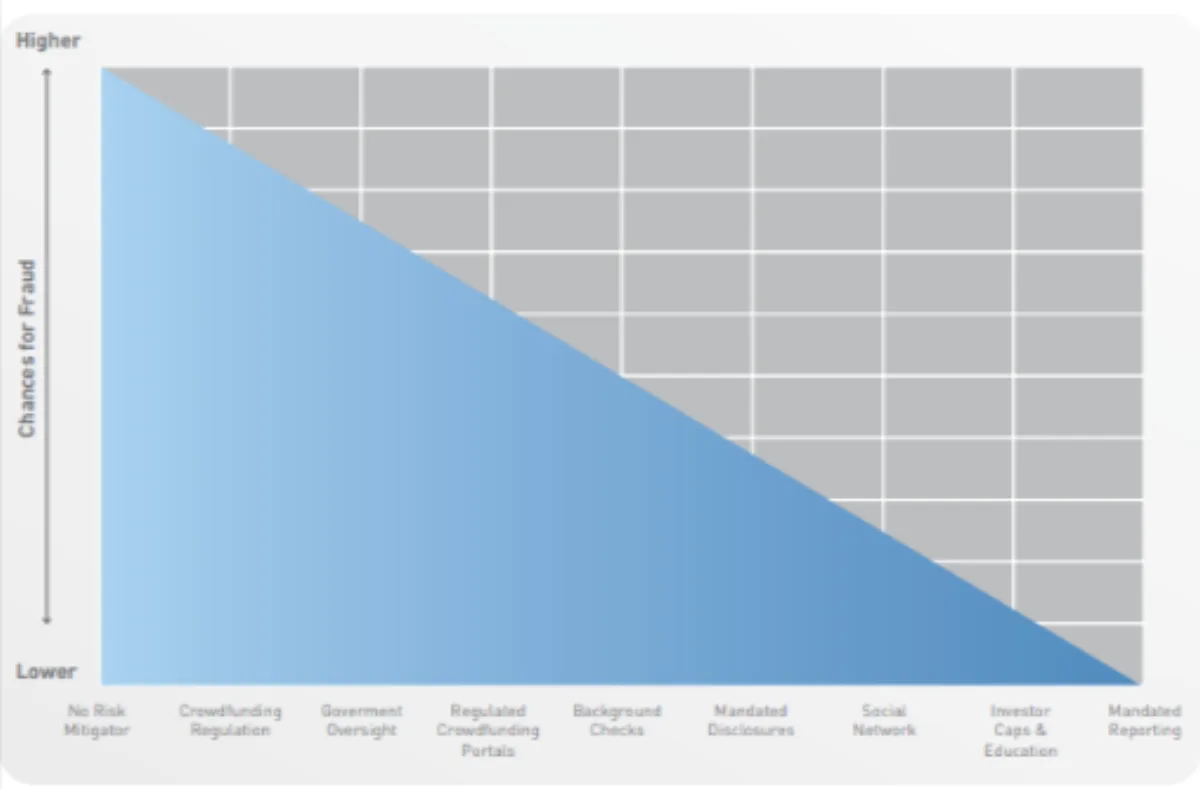
Traditional banks have decades of established regulations, oversight bodies, and deposit insurance. Since they're relatively new, decentralized exchanges must earn user trust by going above and beyond to protect investors' funds from fraud and modern threats like cyberattacks.
Studies from reputable financial journals emphasize that trust in any financial transaction is crucial, and risk mitigation strategies directly influence investor behavior.
Investors need to know they have transparency, good governance, and foolproof procedures in systems that can ensure every dollar is safe regardless of the market environment. The importance of this is impossible to overstate. Investors invest more when they know their money is safe from cyberattacks and other modern security threats.
Key Mechanisms Behind the Security Curtain
Separation of Funds
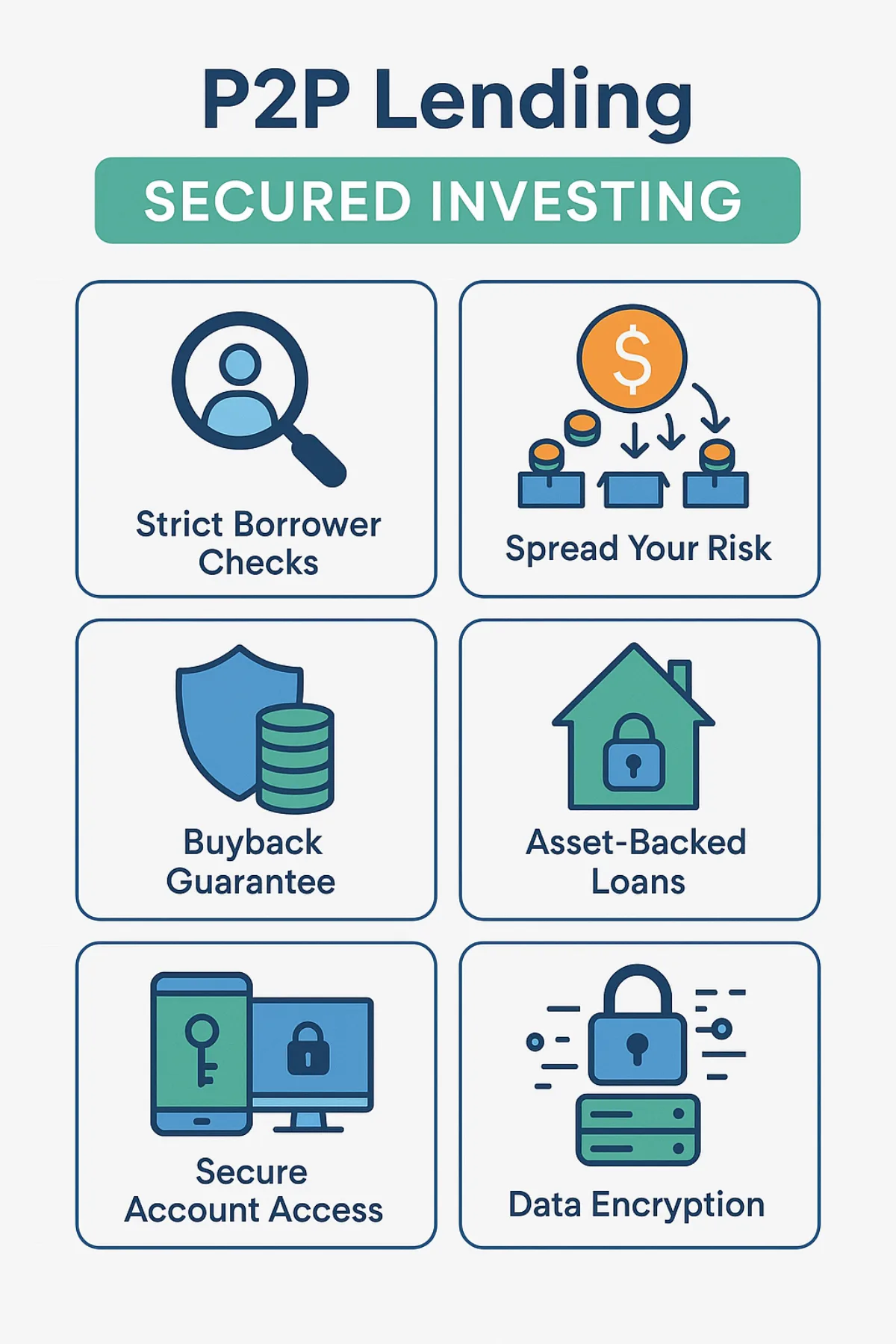
One of the most important security shields in peer-to-peer crowdlending is the segregation of funds. Basically, most such apps have 'baskets' for all accounts. This separates all accounts and ensures that a vulnerability on a specific account does not become systemic. This simple strategy is practical and effective.
Additionally, certified custodians work with these apps to add extra layers of protection and separation for deposited funds.
Escrow Accounts and Third-Party Custodians
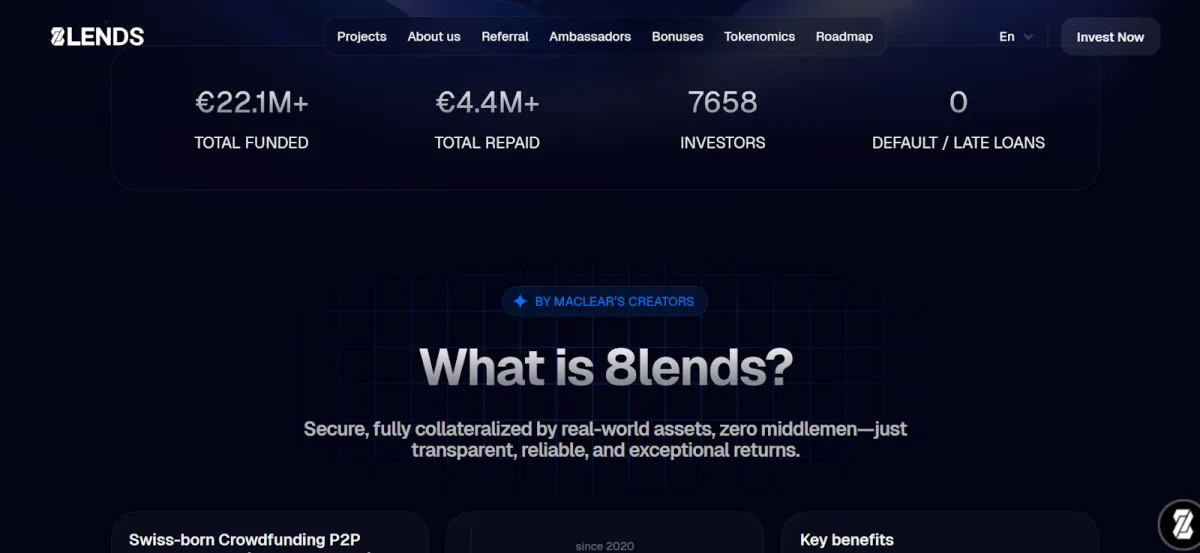
Top peer-to-peer websites use escrow accounts to manage the transfer of funds. A typical transaction in this milieu involves an investor financing a loan by directing funds into an escrow account. After that, when borrowers meet the loan terms, the system processes and dispenses the loan.
Escrow accounts promote protection on P2P lending apps because they minimize fraud and system abuse by checking and verifying the legitimacy of each transaction. Reputable third-party custodians enhance security by conducting external audits for P2P platforms, such as 8lends for example, that check and verify each transaction and system.
Regulatory Compliance and Oversight
The decentralized credit landscape is no longer ungoverned, thanks to increasing regulatory oversight that has brought much-needed discipline. Today, crowdlending systems abide by rules and guidelines created by federal and state bodies like the SEC, FCA, and ESMA.
Regulatory bodies protect investors' money by overseeing financial activity and enforcing rigorous fund protection measures, risk disclosure, and transparency. Regulation compliance lowers system-wide risks, threats, and vulnerabilities that hackers could exploit to game the system.
Digital Safety and Cyber Awareness
The modern world has many evolving and developing cybersecurity threats. That's why well-established decentralized credit platforms advocate for digital awareness and cyber safety.
Most of these apps use various security practices to protect investor money.
- Firewalls and intrusion detection systems: These systems monitor the front and backend systems for threats and malicious activity.
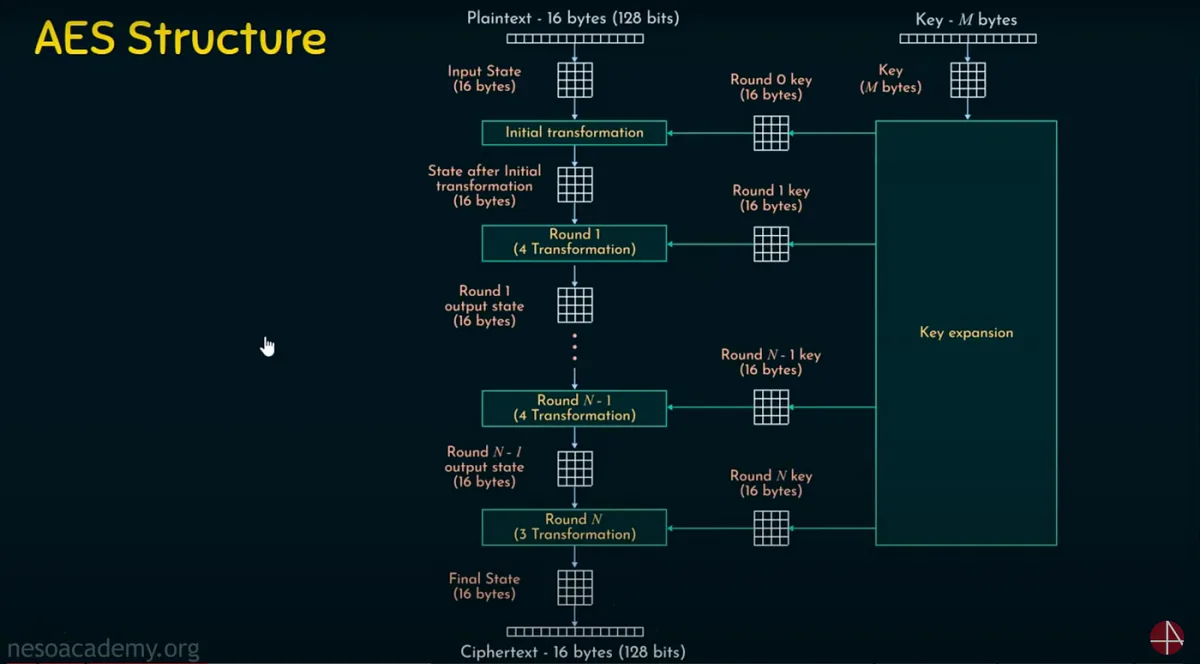
- Encryption protocols: Data encryption protects sensitive information while it's in transit and at rest. Protocols like the Advanced Encryption Standard (AES) are critical because they protect the systems and every transaction.
- 2FA: Almost all P2P crowdlending resources have implemented app or USSD-based two-factor authentication. Adding this security layer significantly reduces unauthorized account access.
- Regular Security Audits: Periodic audits by custodians and third-party cybersecurity experts can help confirm a system’s ability to ward off evolving cybersecurity threats.
Risk Detection and Fraud Management Algorithms
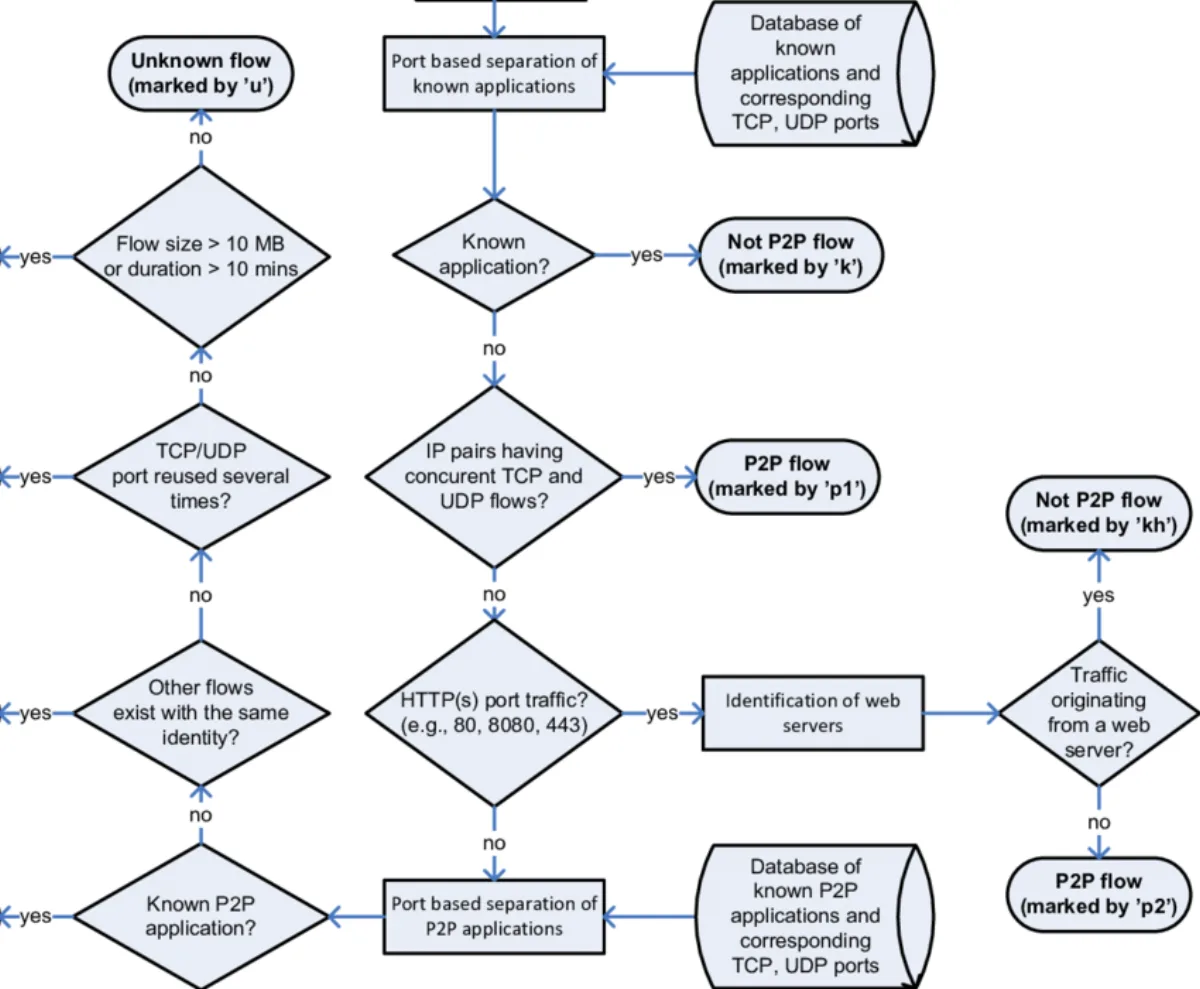
Since we're knee-deep in the AI era, many peer-to-peer crowdlending resources have integrated sophisticated large language and machine learning models as well as tools into their backend security systems to identify and stop fraudulent activity.
These algorithms scan massive data sets to discover anomalies, trends, or warning signs in borrowers' behavior and transactions. This integration minimizes the probability of fraud and reduces the marketplace's overall risk profile.
Transparent Reporting and Independent Audits
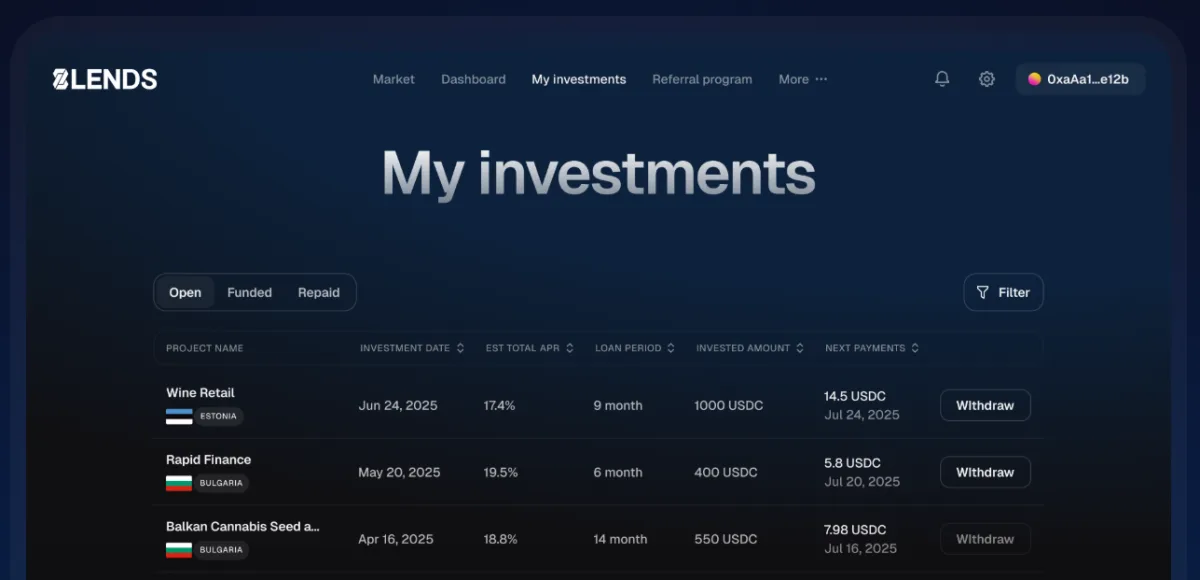
Transparency is a cornerstone in building long-term investor trust. To that end, most popular peer-to-peer apps issue regular transparency reports that include in-depth fund flow breakdowns, risk assessments, and security procedures.
Independent third-party annual or bi-annual audits enhance security and user trust by objectively assessing the platform's financial health and operational integrity.
Technology and Human Oversight
State-of-the-art technology is the core system that secures user funds on P2P crowdlending platforms. Still, the human element – think oversight, expertise, and moral sophistication – is important to complete the security landscape.
Regulatory experts, cybersecurity professionals, and risk managers work together to monitor the virtual and operational worlds for threats. Coordinated human supervision can intervene promptly, even when an algorithm fails to identify a potential threat. When P2P lending platforms integrate AI and human monitoring, it creates a secure system that investors and borrowers can trust.
Platforms take things a step further by engaging with their communities, providing access to security protocols, sharing updates on threat intelligence, and offering support in the case of suspicious account behavior. This transparency builds trust, community, and security awareness among users.
Conclusion
A delicate dance between innovation and security lies at the heart of all the successful P2P crowdlending platforms. From keeping funds separate and using escrow accounts to utilizing next-generation encryption and AI-driven anti-fraud analysis, these platforms spend enormous amounts of money on protecting each dollar placed in their care.
There are many reasons to take advantage of this spectacular technology to access credit opportunities like never before and profit handsomely off of providing it with minimal risk. 8lends has meanwhile never encountered a default or a late payment and allows investors to share their risk, spreading it out among multiple projects, with no commission fee.
다음 읽을거리

궁금한 점이 있으신가요?
모든 질문플랫폼은 CertiK와 Cyberscope의 감사를 받았으며 모든 거래는 Base에서 공개적으로 확인할 수 있습니다. 책임이 명확한 두 회사가 뒷받침합니다: CLEARCHAIN CORP(플랫폼 운영, 캐나다 FINTRAC에 MSB로 등록)와 Maclear AG(실사와 담보). 플랫폼은 잘 규제되고 투명하며 책임 있게 운영됩니다
BuyBack이 있는 프로젝트라면 60일 이상 연체 시 파트너가 대출을 매입해 원금의 100%를 돌려줍니다. BuyBack이 없으면 Maclear AG가 담보 매각을 시작하고 대금은 투자자에게 비례 배분됩니다. 출시 이후 부도는 없었습니다
플랫폼은 캐나다에서 Money Services Business(MSB)로 등록되어 FINTRAC의 의무 AML/CFT 컴플라이언스 요건을 적용받는 CLEARCHAIN CORP가 운영합니다. 정산은 USD로 이루어집니다. 플랫폼은 CASP가 아니므로 DAC8 요건이 적용되지 않습니다
개발도상 지역의 중소기업은 은행 금융에 쉽게 접근하지 못해 EU나 미국 기업보다 높은 금리를 감수합니다
만기 전에 세컨더리 마켓에서 다른 투자자에게 포지션을 판매할 수 있습니다. Fastlending은 고정 기간이 없어 원금과 수익을 언제든 인출할 수 있습니다
최소 투자액은 100 USD입니다
기업의 미상환 리스크, 담보 가치 변동 리스크, 세컨더리 마켓에 매수자가 없을 때의 유동성 제한 리스크, 스마트 컨트랙트 관련 기술 리스크
100–500 USD 투자는 KYC 없이 가능합니다. 500 USD 초과 시 신분증과 주소 증명을 통한 전체 인증이 필요합니다