
Crypto Lending: How to Earn Yield on USDC

November 13, 20265 min read
Fastlending puts USDC into a pool lent against Bitcoin collateral. Where the variable yield comes from, how liquidation protects the pool, when you can withdraw, and how it differs from P2B.
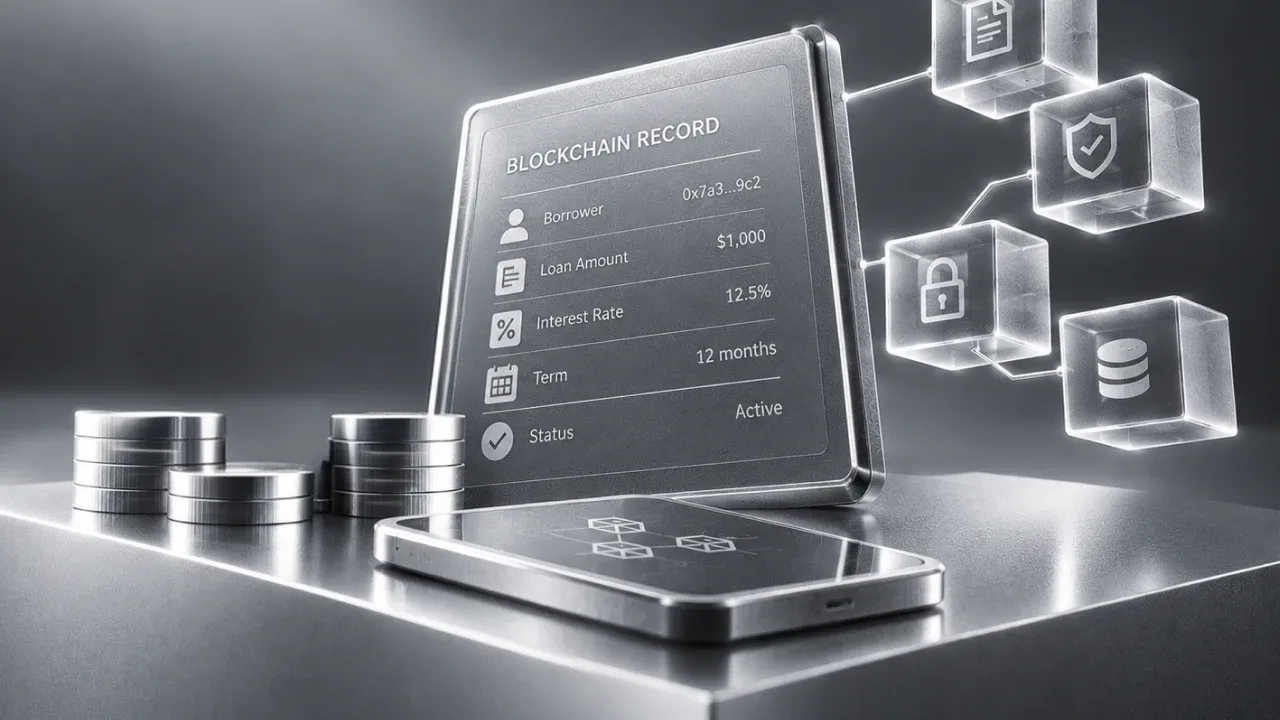
Crypto lending means lending cryptocurrency to borrowers and earning interest in return. Investors provide funds, borrowers take out loans, and the platform connects the two. Lending platforms can be centralized companies or decentralized protocols that use smart contracts.
On 8lends, this product is called Fastlending. Users deposit USDC (USD Coin), a stablecoin pegged to the US dollar, into a lending pool. Borrowers use cryptocurrency as collateral to secure their loans.
Why Take Out a Loan Against Bitcoin?
A loan lets you get money without selling your Bitcoin (BTC). You provide Bitcoin as collateral, receive a loan, and pay interest on the amount you borrow. Once you repay the loan, you can get your Bitcoin back.
But Bitcoin's price can change quickly. If its value drops too far, the platform may sell your Bitcoin to cover the debt. This is called liquidation. So, borrowing against Bitcoin comes with extra costs and the risk of losing your collateral if its price falls.
Where Does the Yield Come From?
Investors earn interest from the loans that borrowers take out. On 8lends, the minimum deposit is 1 USDC, and smart contracts handle all transactions on the Base network.
The interface displays the "Supply APY" (Annual Percentage Yield). It shows the estimated yearly return, including compound interest. Keep in mind that this rate can change over time. It reflects current pool conditions, so you can't know in advance what your actual return will be.
The estimated yield range is 3–12% per year. The actual rate depends on how many borrowers need loans and how much of the pool's funds they use. The rate you see when you deposit doesn't guarantee the same return for the entire time your money stays in the pool.
How Collateral Works
The BTC/USDC market interface shows an LLTV (Liquidation Loan-to-Value) of 80%. This means the platform can liquidate a loan when the debt reaches 80% of the collateral's value.
Liquidation helps protect investors if a borrower can't repay their loan. If Bitcoin's price drops too far, the platform can sell the collateral and use the proceeds to cover the debt.
Here's an example: a borrower takes out a loan of 6,000 USDC and puts up Bitcoin worth 10,000 USDC as collateral. Their debt equals 60% of the collateral's value. If Bitcoin's price drops and the collateral falls to 7,500 USDC, the debt reaches 80% of the collateral's value. That's the liquidation level.
The debt also grows as interest builds up. This means the loan can reach the liquidation zone even if Bitcoin's price doesn't fall all the way to 7,500 USDC. And if Bitcoin's price drops too quickly, selling the collateral might not bring in enough money to cover the full debt.
When Can You Withdraw USDC?
There is no fixed investment period. You can withdraw your original deposit and any interest you've earned as long as the pool has enough available funds.
If borrowers have taken out most of the USDC in the pool, you may not be able to withdraw your full amount right away. You'll have to wait until borrowers repay their loans or other users add more funds to the pool.
So, while you can request a withdrawal at any time, how quickly you get your money back depends on how much USDC is available in the pool.
What Risks Should You Consider?
There are a few risks to keep in mind. The value of the collateral can fall, and there may not be enough available funds in the pool when you want to withdraw.
There are also technical risks. Bugs or security issues in smart contracts, as well as errors in the data used to track prices, can lead to losses.
USDC has its own risk, too. Although it's designed to stay worth $1, its market price on crypto exchanges and other platforms can sometimes be slightly higher or lower.
How Is This Different From P2B on 8lends?
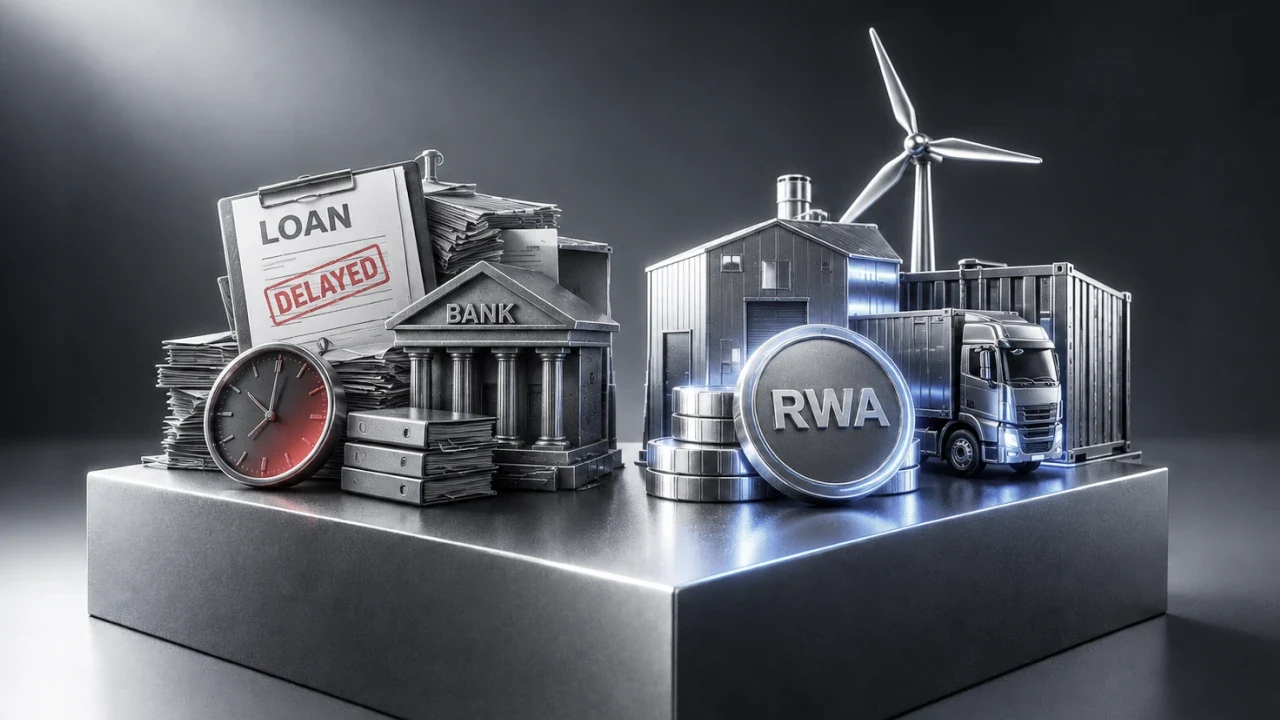
With P2B (Peer-to-Business) lending, you choose a specific company to invest in. Each project has a set interest rate and loan term. The company pays interest every month and repays the original amount according to the project's terms.
Crypto lending on 8lends (Fastlending) works differently. You deposit USDC into a lending pool, borrowers provide cryptocurrency as collateral, and your return can change over time. You can also withdraw your funds when the pool has enough available USDC. For how decentralised lending protocols work in general, see the guide to earning passive income with USDC.
The main things to compare are where your returns come from, what protects your funds, and when you can withdraw your money.
Crypto lending adds another option to 8lends alongside P2B investing. You can deposit USDC without locking it in for a fixed period. The product interface shows the current rate, collateral details, and how much USDC is available in the pool.
The 8lends platform is run by CLEARCHAIN CORP, registered in British Columbia, Canada, and registered with FINTRAC as a money services business. Maclear AG (Switzerland), a member of PolyReg SRO, acts as the independent Collateral Agent for P2B loans; it does not operate the platform, is not its parent company, does not hold investor funds and is not directly licensed by FINMA.
Crypto lending involves risk, including possible loss of principal. The Supply APY is variable and not guaranteed, withdrawals depend on available pool liquidity, and liquidating collateral may not cover the full debt if prices fall quickly.
Frequently Asked Questions
No. You deposit USDC into the 8lends pool. Borrowers provide cryptocurrency as collateral for their loans.
Check the pool's utilization and available liquidity. Utilization shows how much of the pool's funds borrowers have taken out. Available liquidity shows how much USDC is currently available for withdrawal.
With staking, you earn rewards by helping keep a Proof of Stake blockchain secure. With crypto lending, you earn interest from the loans borrowers take out.
Read next

Do You Have Any Questions?
All questionsThe platform has been audited by CertiK and Cyberscope, and all transactions are publicly visible on the Base blockchain. Two companies with clear responsibilities stand behind the platform: CLEARCHAIN CORP operates the platform and is registered as a Money Services Business with FINTRAC (Canada), and Maclear AG conducts due diligence and monitors collateral. So the platform is well regulated, transparent and accountable
If the project has BuyBack, the partner buys the loan and returns 100% of the principal once it is overdue for 60 days or more. Without BuyBack, Maclear AG initiates the sale of the collateral, and the proceeds are distributed proportionally among investors. Since launch there have been no defaults
The platform is operated by CLEARCHAIN CORP, registered in Canada as a Money Services Business (MSB) and subject to mandatory AML/CFT compliance requirements under FINTRAC. Settlements are made in USD. The platform is not a CASP, so DAC8 requirements do not apply
Small and medium-sized businesses in developing regions do not have easy access to bank financing and are willing to pay higher rates than businesses in the EU or US
You can sell your position to another investor through the Secondary Market before the end of the loan term. With Fastlending there is no fixed term: the principal and accrued income can be withdrawn at any time
The minimum investment is 100 USD
Risk of non-payment by the business, risk of changes in the value of the collateral, risk of limited liquidity if there is no buyer on the Secondary Market, and technical risk associated with the smart contract
Investments from 100 to 500 USD are available without KYC. For amounts over 500 USD, full verification is required: an identity document and proof of address