
2025年7月24日4 分钟阅读
基于区块链的去中心化借贷正在深刻改变人们管理资金的方式。它开辟了无需依赖银行就能放贷、借款和赚取利息的新途径。借贷协议中的利率波动,正是这些机制的核心一环。与央行和老牌金融机构设定基准的传统体系不同,区块链借贷的利率由算法决定,实时反映市场的供给、需求和资金利用率。下面我们会看看这些利率波动背后的机制、它们对借款人和放款人的影响,以及为什么理解这套动态,对在波动却诱人的去中心化借贷协议世界中前行至关重要。
The Dynamics of 去中心化借贷协议 Interest
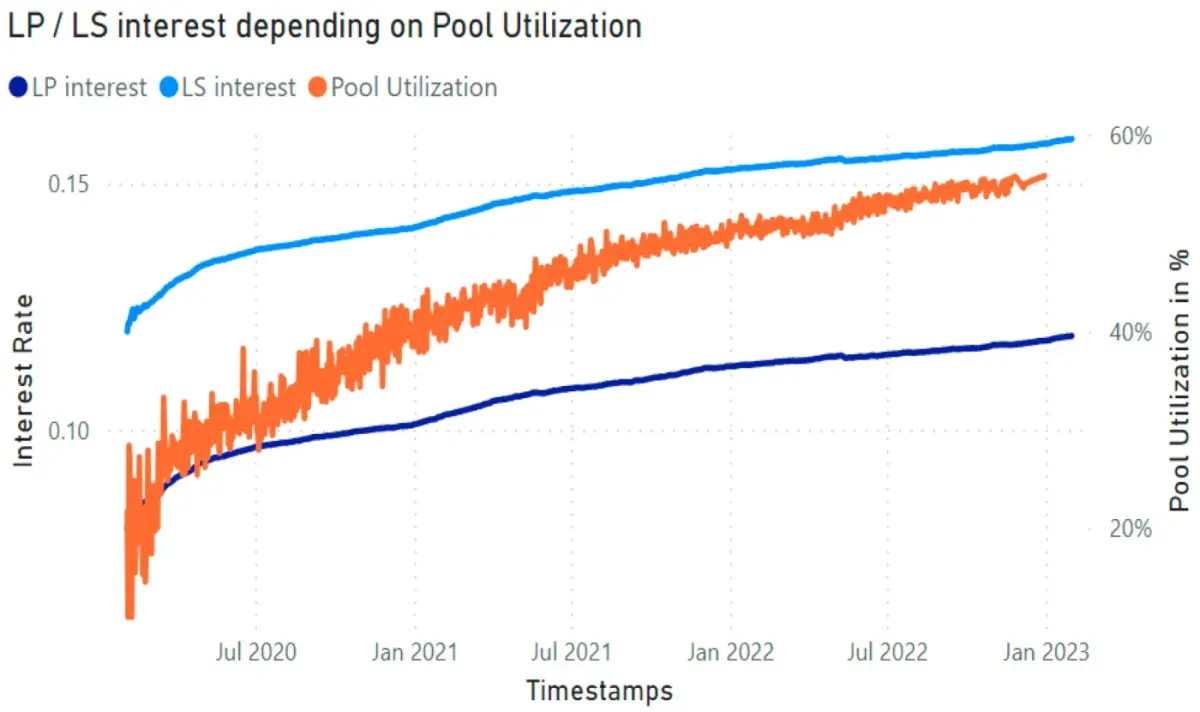
At the heart of every 去中心化借贷协议 is a smart contract that automates the entire lending process. Protocols orient themselves on a simple and effective supply and demand concept. Interest figures increase when lenders search for borrowers; when there is plenty of liquidity in the lending pool, the percentage decreases. This self-adjusting mechanism balances the system naturally.
How It Works
The pool utilization rate is the borrowed-to-deposited funds ratio. It strongly influences the direction numbers will head in. High utilization indicates high borrowing demand; hence, higher-charged deposits may be better. Low utilization suggests excess liquidity. Thus, the percentage needs to be lower to encourage further borrowing.
Algorithmic models
These sites use algorithms based on pre-existing models that adjust the interest dynamically. It is similar to a self-correcting mechanism: the higher the demand, the higher the charges; the lower the demand, the lower the charges.
Smart contract automation
Once installed, smart contracts execute autonomously. The logic that is embedded in them continuously reads the latest parameters from the blockchain and external feeds to ensure figures consistently respond to current market levels.
This type of system introduces a high level of transparency and efficiency not found in most banking systems. However, these advantages also have inherent risks and complexities that require strict monitoring and control.
Why Fluctuations Matter
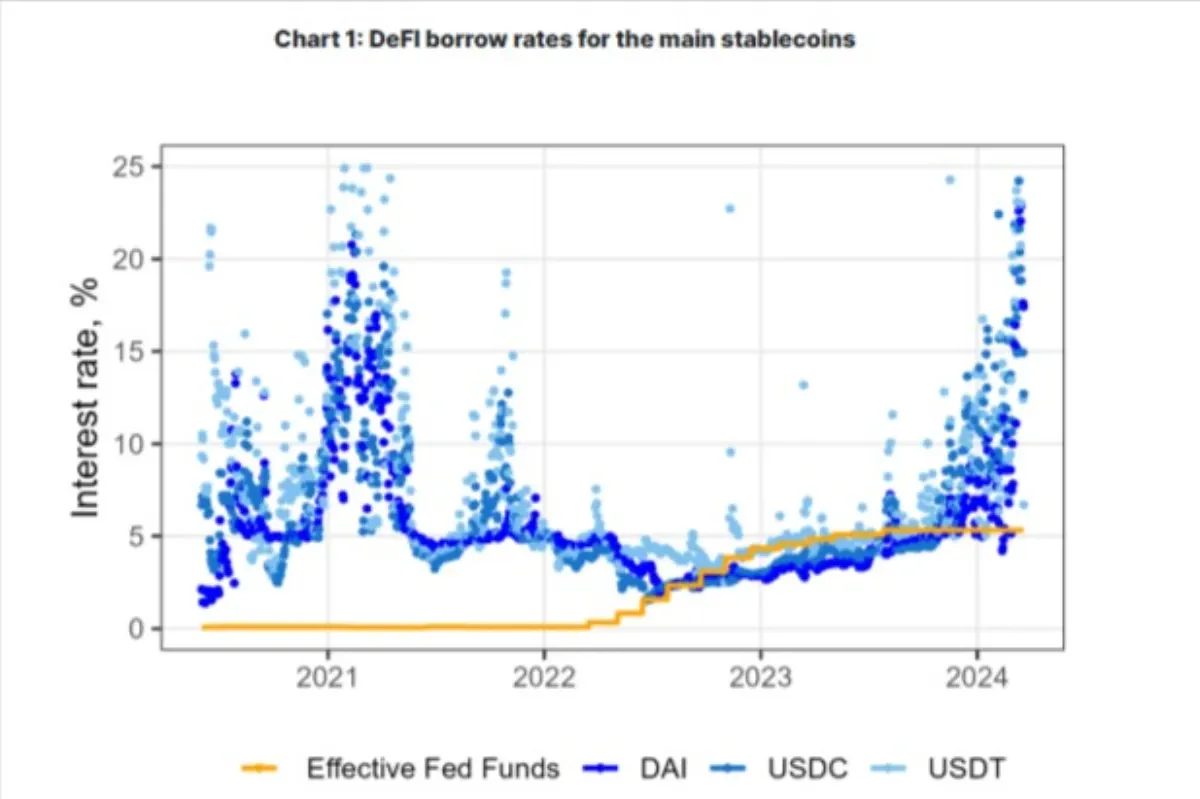
The 去中心化借贷协议中的数字波动 is more than just an information pipeline; they're the heartbeat of the financial ecosystem of the blockchain platforms. Here is why it’s advisable to follow them.
Economic Efficiency and Market Equilibrium
Percentage movements are an indicator of the state of the market. When it goes up, it indicates increased demand for borrowing or liquidity requirements; when it goes down, it suggests that enough capital is available.
These signs balance demand and supply and encourage dynamic community involvement. By closely monitoring such movements, borrowers and investors can make intelligent decisions like lending when rates are high or borrowing when the cost of funding is low. Such a market self-adjustment process ensures an efficient flow of funds.
Risk Management for Borrowers
Variable charges can significantly affect borrowers' loan dynamics. Most 去中心化借贷协议 require over-collateralization, so borrowers must post assets greater than the loan.
High charges increase the cost of borrowing and can make it more difficult to maintain sufficient collateral, leading to liquidation events. When this number decreases, however, borrowers may have an easier time keeping their positions.
According to the OECD 去中心化借贷协议清算研究, liquidation events can have a two-fold effect, especially when triggered by abrupt spikes.
While they may seem catastrophic, liquidations can stabilize the system by rebalancing liquidity across the pools. Although volatility brings variation, it compels borrowers and platforms to operate within safer, more reactive ranges.
Maximizing Returns for Lenders
Lenders depend on factors like variance to determine their yield. When there's high demand, the higher stat leads to higher returns for depositors. Timing and portfolio diversification are of the essence for lenders, shifting assets in line with market indications.
The open, dynamic nature of rate structures encourages more restrained yield generation. Clear signals generated through declining and increasing numbers allow lenders to easily decide when to engage a return, withdraw capital, or convert to lending protocols with more established returns.
Platforms today have allowed credit applicants to obtain loans in spite of the traditional, high entry thresholds that banks have imposed. Now there are crowdlending platforms online that use ground-breaking credit scoring to facilitate capital liquidity. One such company is 8lends, which offers investors collateral backing and 15% interest.
Liquidation Mechanisms
A characteristic of 每一个去中心化借贷协议平台 except the worst ones is a liquidation mechanism closely tied to figure instability.
Liquidations occur when a borrower's collateral value falls below a predetermined percentage of their outstanding loan. While liquidations sound ominous, they serve an important function: they stabilize the system by redistributing liquidity.
According to an OECD report, "liquidations help stabilize fluctuations by releasing liquidity in the pools." When liquidation occurs, the collateral gets sold off to repay the loan, thus reducing outstanding borrowings in the pool.
This balancing act can lower the utilization and, in turn, interest. This mechanism safeguards lenders by ensuring funds are recovered and the entire system is corrected when exposed to market shocks.
Strategies to Survive Instability
As there is some randomness in 去中心化借贷协议中的借贷利率, all borrowers and lenders need some sound strategies to deal with the fluctuations:
For borrowers:
- Opt for fixed-rate models: 部分去中心化借贷协议平台 offer such loans that can protect the borrower from rising charges. Fixed-cost borrowing can be particularly useful for those with low risk tolerance.
- Screen occasionally: Borrowers need to monitor collateral ratios and the trajectory of the interest. Automated notifications and integrated dashboards of 大多数去中心化借贷协议分析工具 allow risk management to be proactive.
- Collateral diversification: By diversifying exposure across various types of assets, lenders minimize exposure to the risk of an extreme drop in the value of any one collateral.
For lenders:
- Dynamic allocation: Lenders can diversify investment across various platforms based on yield opportunity at a particular moment. By reallocating assets to more superior protocols, they can maximize their returns.
- Use yield optimization tools: In recent years, asset management and yield farming tools have allowed lenders to optimize their returns dynamically. The tools rebalance portfolios in real time based on market conditions.
- Participate in governance: Platforms also offer governance participation, where users make model-altering decisions for charges. This can give users early indications of adjustments in the future and protocol releases.
Applying these actions can reduce instability risk while capitalizing on the opportunities of an active lending market.
利率波动对去中心化借贷协议生态系统的更广泛影响
The volatility of interest rates has ramifications that extend beyond borrowers and lenders. 随着去中心化借贷协议不断成熟, the dynamic between market demand, percentages, and liquidation mechanisms sets the stage for a more robust financial ecosystem.
For instance:
- Institutional interest: Stability through predictable and transparent mechanisms attracts investors. In contrast to retail investors who might chase volatile yields, institutions like platforms with healthy risk management practices and charges reflect real market dynamics.
- Ecosystem innovation: Rate volatility has spurred innovations such as derivatives, hedging, and more efficient liquidity pooling techniques. These innovations are reshaping how we manage and allocate capital in decentralized networks.
- Regulatory clarity: As regulators and industry watchdogs increasingly 日益关注去中心化借贷协议相关活动, clear and well-documented interest rate models can be a gatekeeper for regulatory acceptance.
Conclusion
去中心化借贷协议带来了 a high level of transparency and efficiency that you can't find in most banking systems. However, these advantages also come with inherent risks and complexities that demand strict monitoring and control.
One of the best ways to take advantage of this volatility is crowdlending, where your risk is shared with other investors across multiple projects. If you’d like to diversify into P2P crowdlending, don’t hesitate to register on 8lends today.
接着读



有任何疑问吗?
全部问题平台已通过 CertiK 和 Cyberscope 审计,所有交易在 Base 区块链上公开可查。平台背后是两家职责清晰的公司:CLEARCHAIN CORP 负责平台运营,并在加拿大以 Money Services Business 身份在 FINTRAC 注册;Maclear AG 负责尽调与抵押物监管。平台受到良好监管,公开透明且责任清晰
若项目带有 BuyBack,逾期满 60 天后合作方将买断贷款并返还 100% 本金。若无 BuyBack,Maclear AG 将启动抵押物出售,所得按比例分配给投资者。平台上线以来从未发生违约
平台由 CLEARCHAIN CORP 运营,其在加拿大注册为 Money Services Business(MSB),并须在 FINTRAC 下履行强制性 AML/CFT 合规要求。结算以 USD 进行。平台并非 CASP,因此 DAC8 要求不适用
发展中地区的中小企业难以获得银行融资,愿意支付比欧盟或美国企业更高的利率
到期前可在二级市场将头寸卖给其他投资者。Fastlending 没有固定期限:本金和收益随时可提取
最低投资额为 100 USD
企业不还款的风险、抵押物价值波动的风险、二级市场无买家时的流动性受限风险,以及智能合约相关的技术风险
100 至 500 USD 的投资无需 KYC。超过 500 USD 需完成完整认证:身份证件和地址证明