
Blockchain Kredilerinde Faiz Oranı Dalgalanmaları: Neden Önemlidir?
24 Temmuz 20254 dk okuma
Merkeziyetsiz, blokzincir tabanlı kredi, para yönetiminde köklü bir dönüşüm. Bankalara bağlı kalmadan borç vermenin, borçlanmanın ve faiz kazanmanın yeni yollarını açıyor. Kredi protokollerindeki faiz oynaklığı bu mekanizmaların temel bir parçası. Merkez bankalarının ve yerleşik finans kuruluşlarının referansları belirlediği geleneksel sistemlerin aksine, blokzincir kredisindeki oranlar algoritmiktir: piyasadaki arzı, talebi ve kullanım oranını gerçek zamanlı yansıtır. Aşağıda bu dalgalanmaların mekaniğine, borçlular ve kredi verenler açısından sonuçlarına ve merkeziyetsiz kredi protokollerinin oynak ama cazip dünyasında yol almak için bu dinamikleri anlamanın neden kritik olduğuna bakacağız.
The Dynamics of decentralized lending Interest
At the heart of every decentralized lending protocol is a smart contract that automates the entire lending process. Protocols orient themselves on a simple and effective supply and demand concept. Interest figures increase when lenders search for borrowers; when there is plenty of liquidity in the lending pool, the percentage decreases. This self-adjusting mechanism balances the system naturally.
How It Works
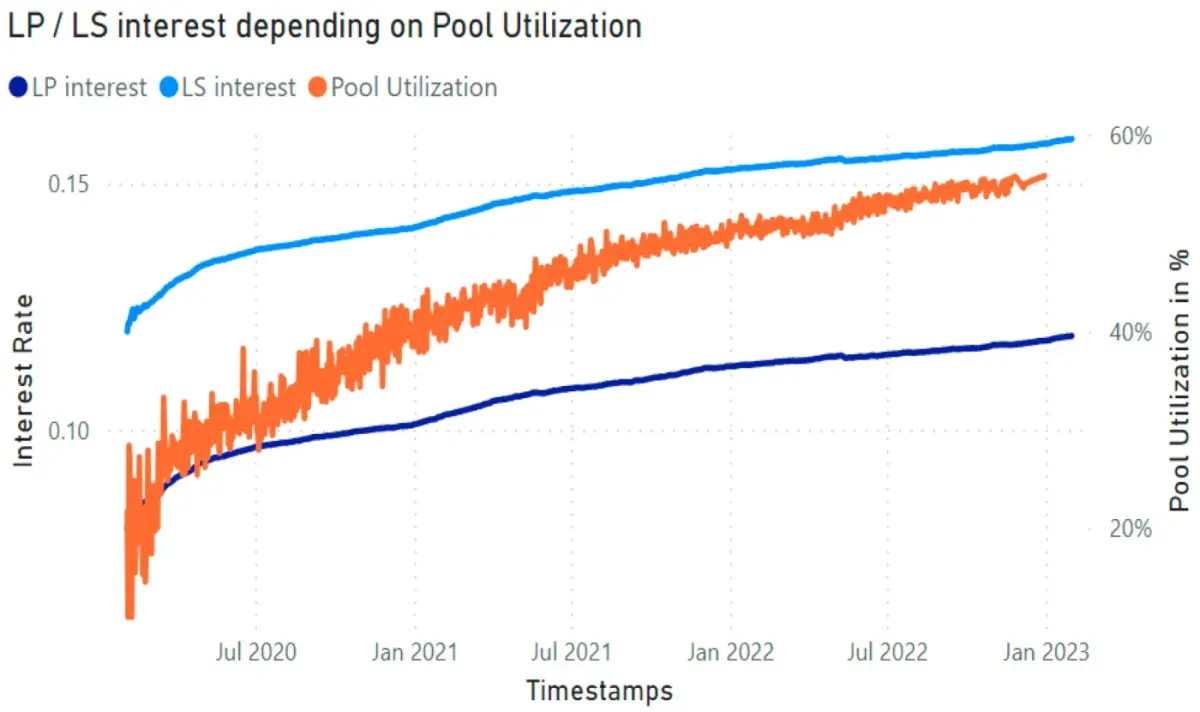
The pool utilization rate is the borrowed-to-deposited funds ratio. It strongly influences the direction numbers will head in. High utilization indicates high borrowing demand; hence, higher-charged deposits may be better. Low utilization suggests excess liquidity. Thus, the percentage needs to be lower to encourage further borrowing.
Algorithmic models
These sites use algorithms based on pre-existing models that adjust the interest dynamically. It is similar to a self-correcting mechanism: the higher the demand, the higher the charges; the lower the demand, the lower the charges.
Smart contract automation
Once installed, smart contracts execute autonomously. The logic that is embedded in them continuously reads the latest parameters from the blockchain and external feeds to ensure figures consistently respond to current market levels.
This type of system introduces a high level of transparency and efficiency not found in most banking systems. However, these advantages also have inherent risks and complexities that require strict monitoring and control.
Why Fluctuations Matter
The numeric movement in decentralized lending is more than just an information pipeline; they're the heartbeat of the financial ecosystem of the blockchain platforms. Here is why it’s advisable to follow them.
Economic Efficiency and Market Equilibrium
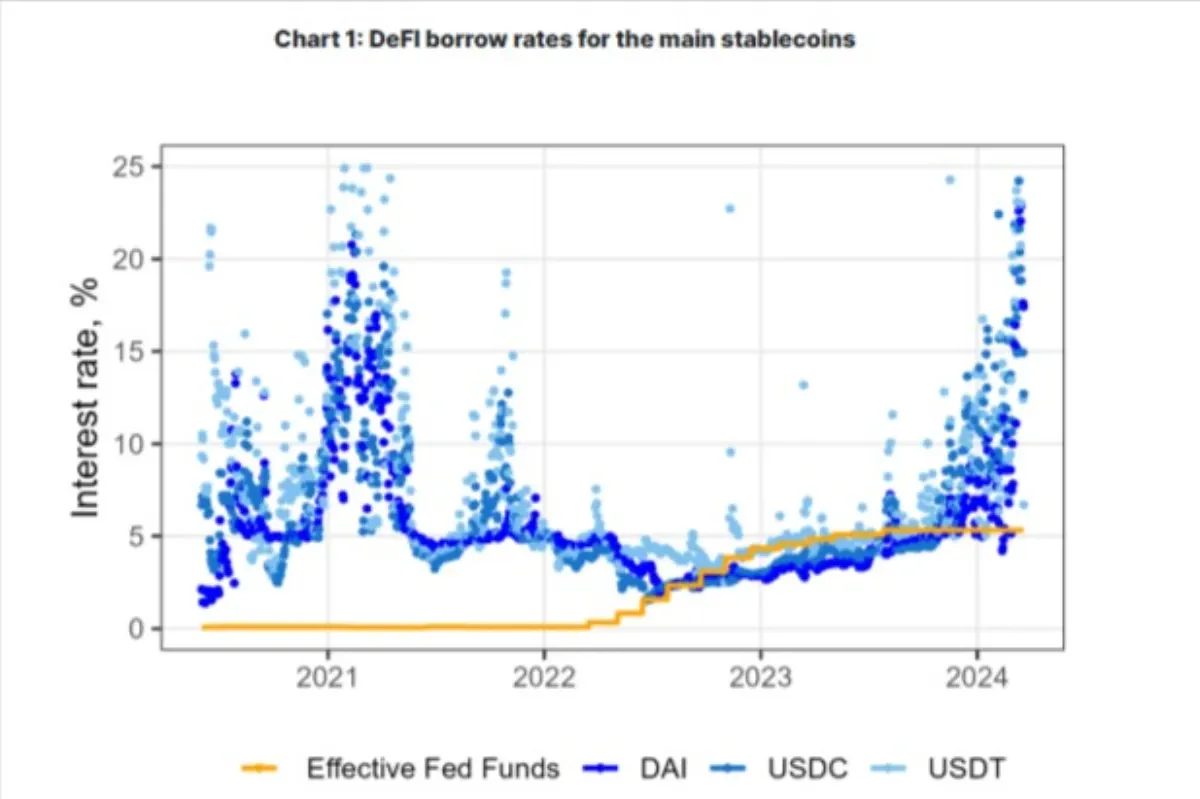
Percentage movements are an indicator of the state of the market. When it goes up, it indicates increased demand for borrowing or liquidity requirements; when it goes down, it suggests that enough capital is available.
These signs balance demand and supply and encourage dynamic community involvement. By closely monitoring such movements, borrowers and investors can make intelligent decisions like lending when rates are high or borrowing when the cost of funding is low. Such a market self-adjustment process ensures an efficient flow of funds.
Risk Management for Borrowers
Variable charges can significantly affect borrowers' loan dynamics. Most decentralized lending protocols require over-collateralization, so borrowers must post assets greater than the loan.
High charges increase the cost of borrowing and can make it more difficult to maintain sufficient collateral, leading to liquidation events. When this number decreases, however, borrowers may have an easier time keeping their positions.
According to the OECD liquidation study, liquidation events can have a two-fold effect, especially when triggered by abrupt spikes.
While they may seem catastrophic, liquidations can stabilize the system by rebalancing liquidity across the pools. Although volatility brings variation, it compels borrowers and platforms to operate within safer, more reactive ranges.
Maximizing Returns for Lenders
Lenders depend on factors like variance to determine their yield. When there's high demand, the higher stat leads to higher returns for depositors. Timing and portfolio diversification are of the essence for lenders, shifting assets in line with market indications.
The open, dynamic nature of rate structures encourages more restrained yield generation. Clear signals generated through declining and increasing numbers allow lenders to easily decide when to engage a return, withdraw capital, or convert to lending protocols with more established returns.
Platforms today have allowed credit applicants to obtain loans in spite of the traditional, high entry thresholds that banks have imposed. Now there are crowdlending platforms online that use ground-breaking credit scoring to facilitate capital liquidity. One such company is 8lends, which offers investors collateral backing and 15% interest.
Liquidation Mechanisms
A characteristic of every decentralized lending site except the worst ones is a liquidation mechanism closely tied to figure instability.
Liquidations occur when a borrower's collateral value falls below a predetermined percentage of their outstanding loan. While liquidations sound ominous, they serve an important function: they stabilize the system by redistributing liquidity.
According to an OECD report, "liquidations help stabilize fluctuations by releasing liquidity in the pools." When liquidation occurs, the collateral gets sold off to repay the loan, thus reducing outstanding borrowings in the pool.
This balancing act can lower the utilization and, in turn, interest. This mechanism safeguards lenders by ensuring funds are recovered and the entire system is corrected when exposed to market shocks.
Strategies to Survive Instability
As there is some randomness in lending rates in decentralized lending, all borrowers and lenders need some sound strategies to deal with the fluctuations:
For borrowers:
- Opt for fixed-rate models: Some decentralized lending platforms offer such loans that can protect the borrower from rising charges. Fixed-cost borrowing can be particularly useful for those with low risk tolerance.
- Screen occasionally: Borrowers need to monitor collateral ratios and the trajectory of the interest. Automated notifications and integrated dashboards of most decentralized lending analytics tools allow risk management to be proactive.
- Collateral diversification: By diversifying exposure across various types of assets, lenders minimize exposure to the risk of an extreme drop in the value of any one collateral.
For lenders:
- Dynamic allocation: Lenders can diversify investment across various platforms based on yield opportunity at a particular moment. By reallocating assets to more superior protocols, they can maximize their returns.
- Use yield optimization tools: In recent years, asset management and yield farming tools have allowed lenders to optimize their returns dynamically. The tools rebalance portfolios in real time based on market conditions.
- Participate in governance: Platforms also offer governance participation, where users make model-altering decisions for charges. This can give users early indications of adjustments in the future and protocol releases.
Applying these actions can reduce instability risk while capitalizing on the opportunities of an active lending market.
Fluctuations’ Wider Implications for the decentralized lending Ecosystem
The volatility of interest rates has ramifications that extend beyond borrowers and lenders. As decentralized lending matures, the dynamic between market demand, percentages, and liquidation mechanisms sets the stage for a more robust financial ecosystem.
For instance:
- Institutional interest: Stability through predictable and transparent mechanisms attracts investors. In contrast to retail investors who might chase volatile yields, institutions like platforms with healthy risk management practices and charges reflect real market dynamics.
- Ecosystem innovation: Rate volatility has spurred innovations such as derivatives, hedging, and more efficient liquidity pooling techniques. These innovations are reshaping how we manage and allocate capital in decentralized networks.
- Regulatory clarity: As regulators and industry watchdogs increasingly notice decentralized lending activity, clear and well-documented interest rate models can be a gatekeeper for regulatory acceptance.
Conclusion
decentralized lending introduces a high level of transparency and efficiency that you can't find in most banking systems. However, these advantages also come with inherent risks and complexities that demand strict monitoring and control.
One of the best ways to take advantage of this volatility is crowdlending, where your risk is shared with other investors across multiple projects. If you’d like to diversify into P2P crowdlending, don’t hesitate to register on 8lends today.
Sıradaki yazı


Sorunuz mu var?
Tüm sorularPlatform CertiK ve Cyberscope tarafından denetlendi, tüm işlemler Base üzerinde herkese açık. Arkasında sorumlulukları net iki şirket var: CLEARCHAIN CORP (platformun işletilmesi, Kanada'da FINTRAC nezdinde MSB olarak kayıtlı) ve Maclear AG (durum tespiti ve teminatlar). Platform iyi düzenlenmiş, şeffaf ve hesap verebilir
Projede BuyBack varsa, 60+ gün gecikmede ortak krediyi satın alır ve anaparanın %100’ünü iade eder. BuyBack yoksa Maclear AG teminatın satışını başlatır ve gelir yatırımcılara orantılı dağıtılır. Lansmandan beri temerrüt yaşanmadı
Platformu, Kanada'da Money Services Business (MSB) olarak kayıtlı ve FINTRAC nezdinde zorunlu AML/CFT uyum yükümlülüklerine tabi olan CLEARCHAIN CORP işletir. Ödemeler USD ile yapılır. Platform CASP değildir, bu yüzden DAC8 gereklilikleri uygulanmaz
Gelişmekte olan bölgelerdeki KOBİ’ler banka finansmanına kolay erişemez ve AB veya ABD’deki işletmelerden daha yüksek oranlar ödemeye razıdır
Vade dolmadan pozisyonunuzu İkincil Piyasada başka bir yatırımcıya satabilirsiniz. Fastlending’de sabit vade yok: anapara ve getiriler her an çekilebilir
Minimum yatırım 100 USD’dir
İşletmenin ödememe riski, teminat değerinin değişme riski, İkincil Piyasada alıcı yoksa sınırlı likidite riski ve akıllı sözleşmeye bağlı teknik risk
100–500 USD arası yatırımlar KYC’siz yapılabilir. 500 USD üzerinde tam doğrulama gerekir: kimlik belgesi ve adres kanıtı