

2025년 9월 4일4 분 소요
P2P(개인 간) 대출은 은행과 다른 중개자를 배제함으로써 사람들이 돈을 빌리고 빌려주는 방식을 바꾸어 놓았습니다. 그럼에도 완벽하지는 않습니다. 차입자가 대출을 갚지 못하면 투자자는 손실을 입고, 시스템 전체가 타격을 받습니다. 실패한 대출들을 돌아보면 그것들이 실패한 진짜 이유가 드러나며, 관련된 모든 이들을 위한 현명한 앞으로의 길을 제시해 줍니다. 여기서는 P2P 대출이 잘못되는 원인을 파헤치고, 몇 가지 놀라운 사례를 소개하며, 업계가 리스크 관리를 강화하고 건강하고 지속적인 방식으로 성장할 수 있도록 실용적인 교훈을 정리합니다.
Understanding P2P Lending and Loan Defaults
P2P lending platforms like 8lends make borrowing easy by linking people who need cash with those ready to lend it based on credit checks. Even with clever systems, someone can still miss a payment or not pay back what they owe. This slip happens when borrowers skip interest or the main sum, and it feels risky. Both the borrower’s situation and how the site works play a part in figuring out what’s behind these misses.
Determinants of P2P Loan Defaults
Real-world studies show exactly why some peer-to-peer loans go south. A deep dive into data from 2008 through 2014 pulled out the top warning signs.
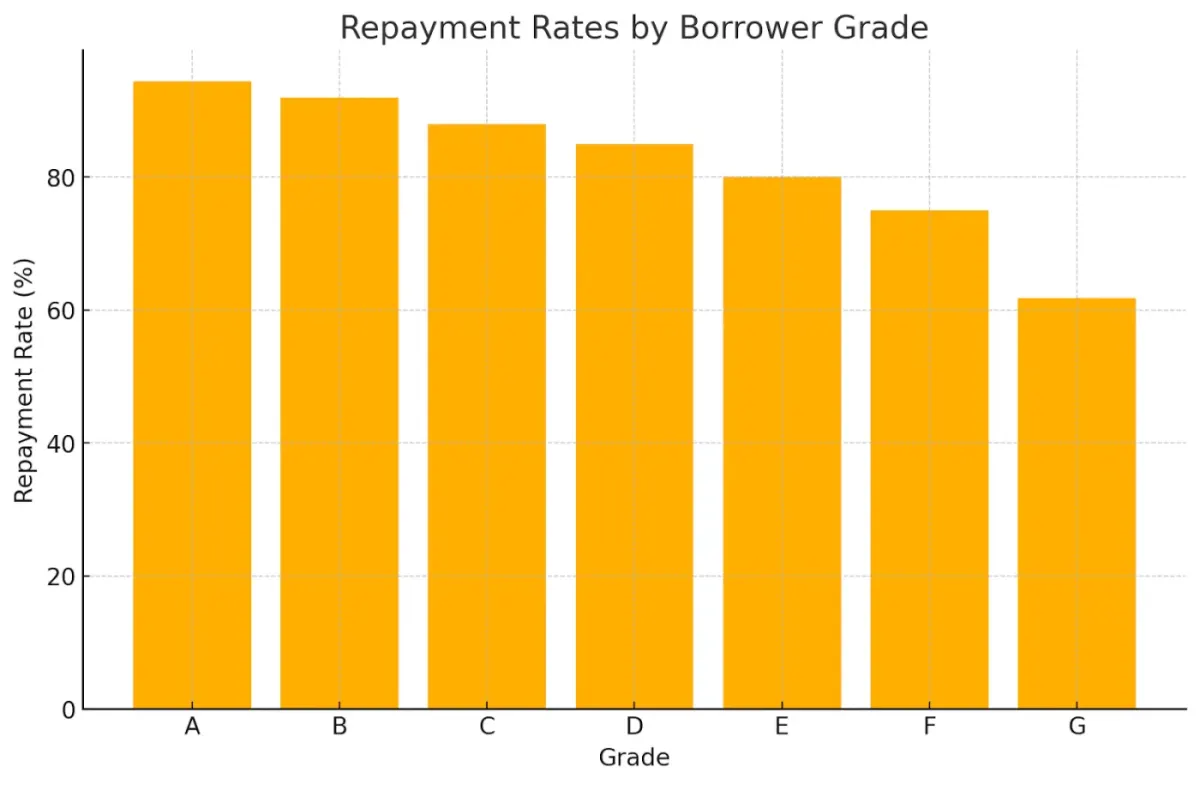
The table below lays out these factors to guide your understanding.
| Category | Determinants | Details/Findings | Exact Numbers/Stats |
|---|---|---|---|
| Borrower Assessment | Grade | Most predictive, A to G, A is safest. | 94.4% A-grade repaid, 61.8% G-grade. |
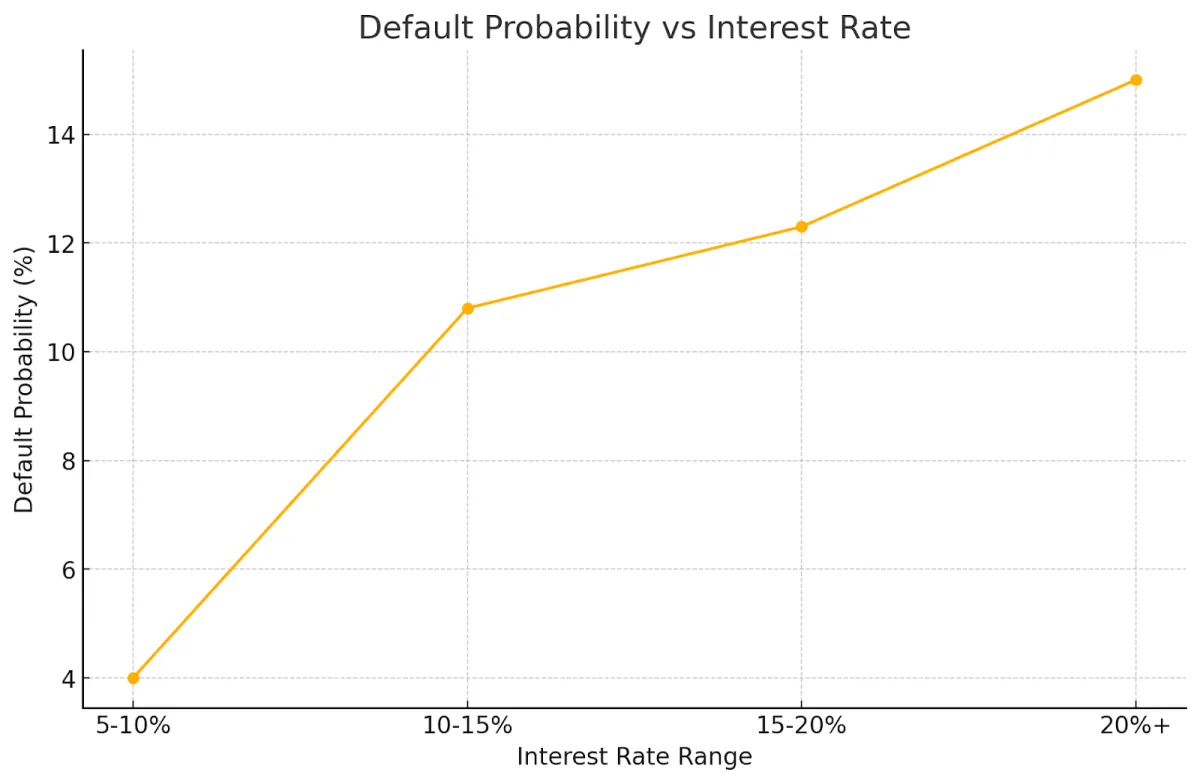
| Interest Rate | Higher rates correlate with higher default probability. | Defaulted: 12.3%, Non-defaulted: 10.8%, p<0.001. | |
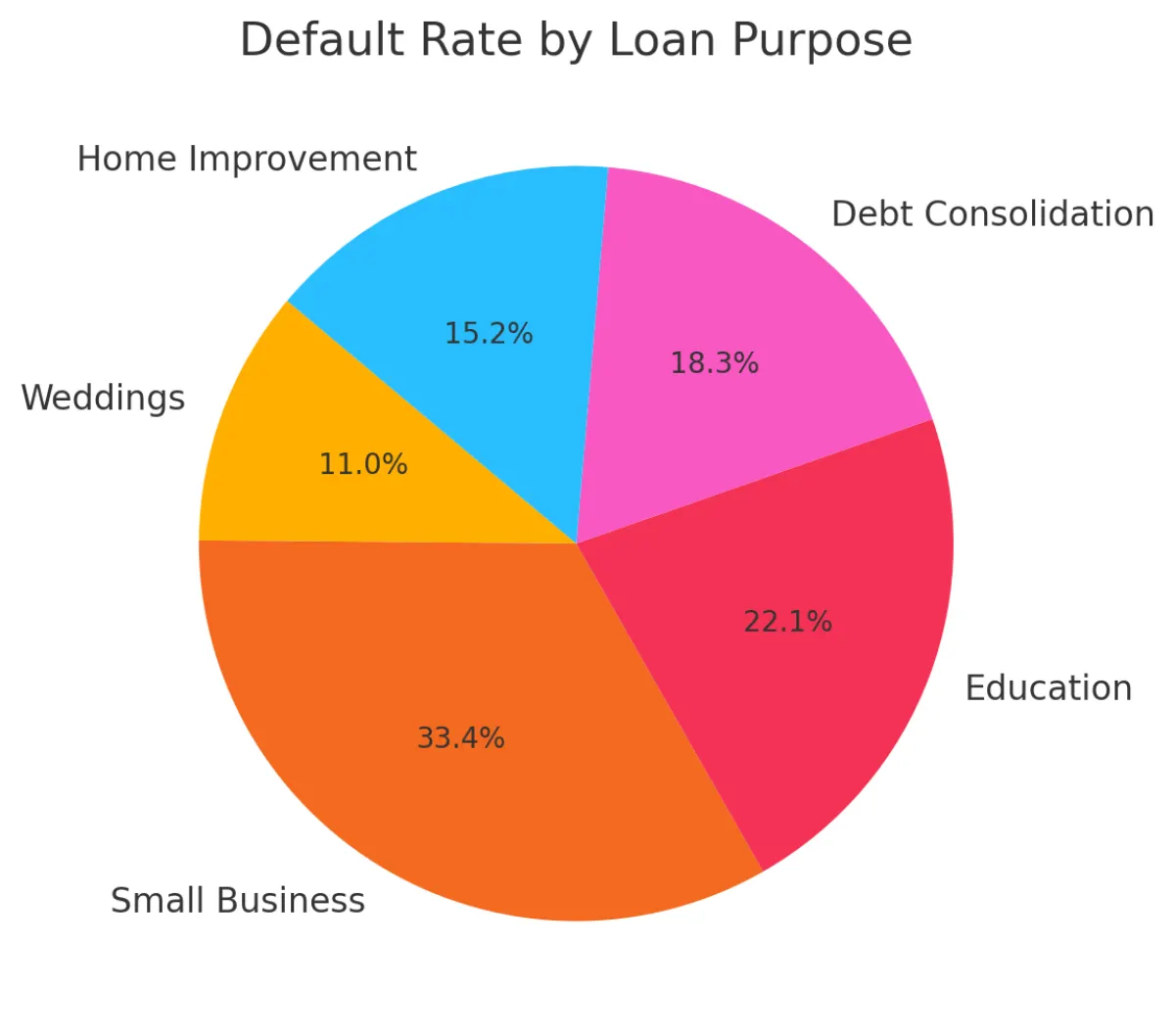
| Loan Characteristics | Loan Purpose | Weddings least risky (92.8%), and small businesses most risky (78.1%). | Significant for 10/14 purposes, p<0.001. |
| Loan Amount | Not significantly related to default. | T-test: -0.997, not significant. | |
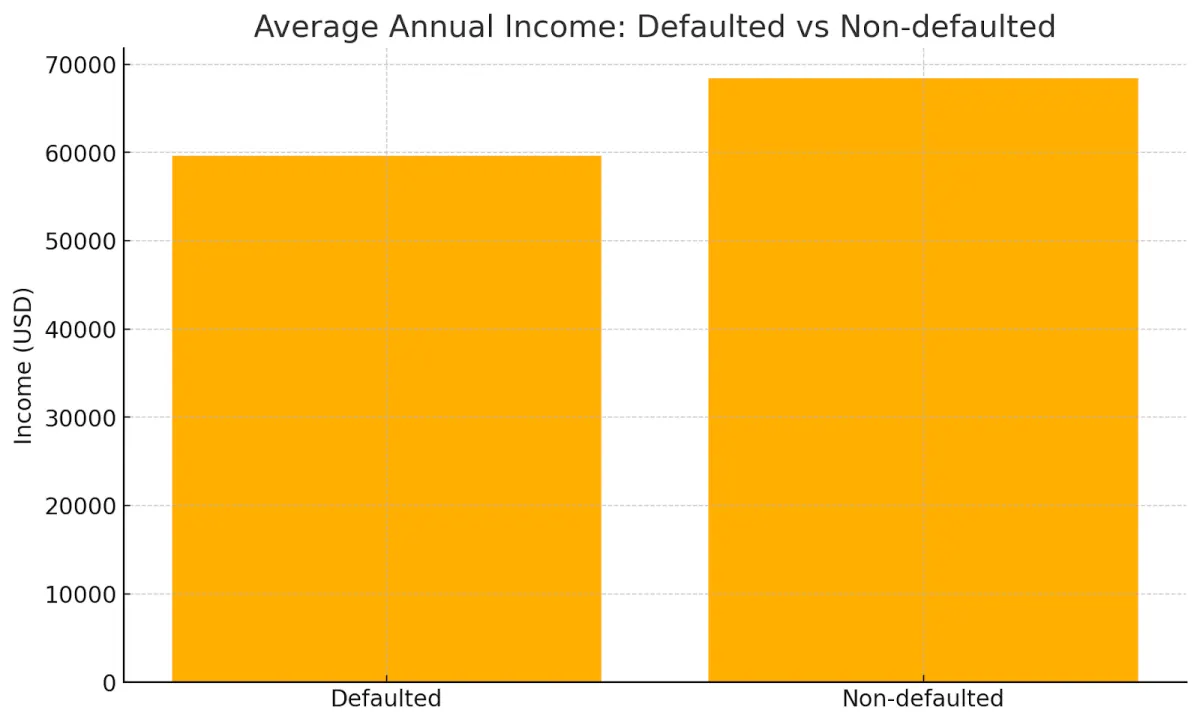
| Borrower Characteristics | Annual Income | Lower income is associated with higher default probability. | Defaulted: $59,595, Non-defaulted: $68,391, p<0.001. |
| Current Housing Situation | Mortgage/own is less risky than rent/other. | Mortgage: 90.1% repaid, Rent: 88.3%, p<0.001. | |
| Employment Length | Not significantly related to default. | Defaulted: 4.60 years, Non-defaulted: 4.68 years, p≥0.05. | |
| Credit History | Various metrics | All significant except Months Since Last Delinquency. | E.g., Delinquency 2 Years: Defaulted 0.18, Non-defaulted 0.14, p<0.001. |
| Borrower Indebtedness | Loan Amount to Income, Debt to Income | Higher ratios correlate with higher default probability. | E.g., Loan Amount to Income: Defaulted 0.183, Non-defaulted 0.163, p<0.001. |
This study showed a 10.9% default rate – 2,666 out of 24,449 loans – and makes it clear that who the borrower is (their income and past credit) and what the loan looks like (its size, term, interest) really matter. The mix of those personal traits and loan details can make or break repayment.
Digging into China’s P2P world adds more color. One look at Renrendai data found that people who passed quick checks like video calls or phone confirmations actually missed payments more often, while those who provided solid ID or asset proof cut their risk, and the models nailed it with over 90% accuracy, to predict defaults well.
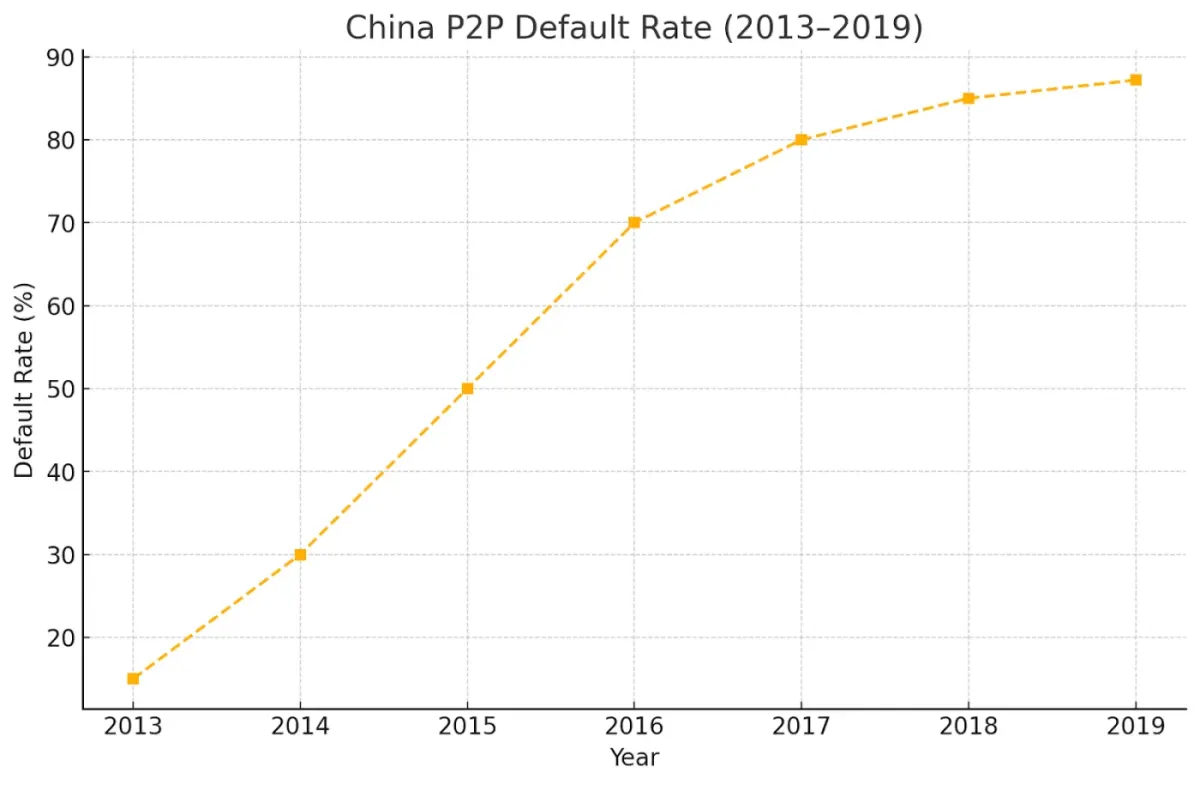
Then there’s the shocker: by 2019, defaults in China hit 87.2%. That sky-high rate got blamed on a poor match between borrowers and backers, investors flying blind on finance, and rules that just weren’t strong enough.
Case Studies: Notable Failures and Their Postmortems
Looking at real-life cases of P2P lending failures helps uncover deep-rooted problems in the system. Take China’s P2P crisis, which hit its worst point in 2015. Out of around 3,500 platforms, two-thirds collapsed. Many failed because of scams, fake investment schemes, or acting like illegal banking operations.
Regulators couldn’t keep up, with just a handful of staff trying to monitor thousands of platforms, so things spiraled out of control. Close ties between platforms and local governments often meant loans went to risky ventures. When officials started warning investors, panic spread. By July 2018, active investors dropped by a fifth, and total loans plunged from over 1.3 trillion yuan to below 1 trillion.
LendingClub in the U.S. had its own troubles. For a time, they limited transparency around loan details during their “Quiet Period,” and their CEO was caught altering data. These moves made investors uneasy, adding to the sense of risk.
In China, Renrendai faced similar challenges. Weak regulations, high rates of defaults, and sudden cash shortages exposed flaws unique to the platform. Each story shows how fragile these systems can be, especially when rules aren’t clear or risks aren’t managed with care.
Lessons Learned from Failure Postmortems
Looking at past mistakes teaches us valuable lessons for building better systems. Here’s what we’ve learned:
- Being Open Matters: When platforms don’t share clear, updated details about their work, people stop trusting them. Take GraduRates or Encash—both shut down quietly, leaving lenders confused. Sharing honest, timely updates helps everyone stay informed and confident.
- Rules Aren’t Optional: Ignoring guidelines can lead to big problems. In China, weak oversight allowed fraud and risky behavior to spiral. Sticking to regulations, like India’s RBI rules, keeps platforms legally safe and protects everyone involved.
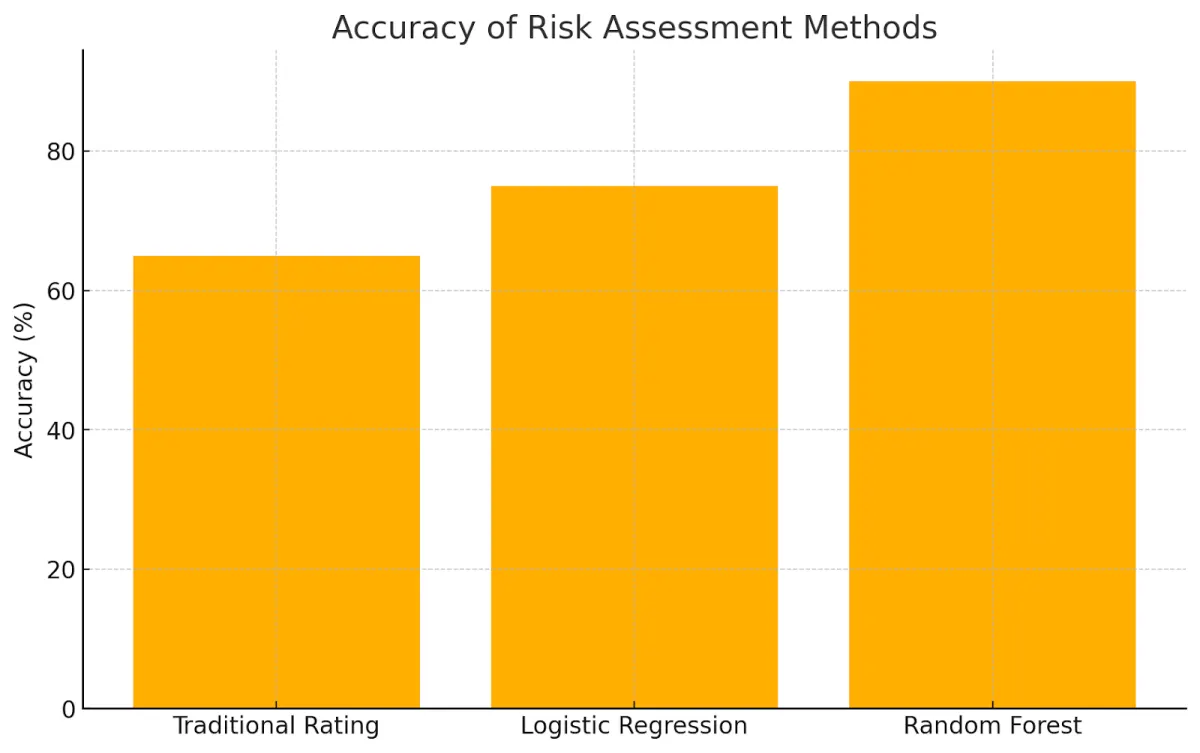
- Smarter Risk Checks: New tools are changing how risks are spotted. Research shows methods like Random Forest (a type of machine learning) work better than old-school systems. Even small details, like how borrowers describe themselves or their connections, help predict who might struggle to repay.
- Spread Out, Stay Safe: Putting all funds into one loan is risky. Platforms like Prosper learned this the hard way when defaults hurt their lenders. Splitting investments across many loans softens the blow if one fails.
- Keep Growing, Keep Learning: Success isn’t static. Platforms like LendingClub built trust by openly sharing data and teaching users. Others tweak their systems using lessons from past errors. Over time, these steps create stronger, more reliable systems.
By focusing on these areas, platforms can build safer, more trustworthy spaces for everyone. Small changes, when done thoughtfully, add up to big improvements.
Advancements in Risk Management Practices
Looking back at past experiences has sparked new ideas in managing financial risks. Platforms now use things like social information or community activity to assess creditworthiness more accurately, so that lending decisions better reflect real-life situations.
Advanced techniques, like machine learning and survival analysis, often work better than traditional platform ratings, uncovering hidden chances for smarter investments while encouraging fairer rates for borrowers.
Tools like SHAP help explain how these complex models make choices, shining a light on familiar risks as well as unexpected ones that might otherwise go unnoticed. Some systems even analyze relationships between borrowers, like shared connections or networks, to spot patterns that improve predictions.
Together, these steps lower the chance of loans going unpaid, which helps investment portfolios grow steadier over time and keeps platforms running smoothly for the long haul. By blending technology with deeper insights into human behavior, the whole process becomes both safer and more balanced for everyone involved.
Conclusion
Looking back at why P2P loans flop shows how the borrower, the platform, and the rules all mix. We need to learn from each flop so that we keep things clear, check risks well, and follow the rules. We can keep getting better with smarter data tools and by spreading out our bets. That way, P2P lending can stick around as a solid choice alongside regular banks.
8lends backs up lender investments using borrower collateral. This significantly adds to the security of their loans, even if risk can never be completely eliminated. Opportunities meanwhile abound with 0% commission charged to investors and over 15% returns.
다음 읽을거리



궁금한 점이 있으신가요?
모든 질문플랫폼은 CertiK와 Cyberscope의 감사를 받았으며 모든 거래는 Base에서 공개적으로 확인할 수 있습니다. 책임이 명확한 두 회사가 뒷받침합니다: CLEARCHAIN CORP(플랫폼 운영, 캐나다 FINTRAC에 MSB로 등록)와 Maclear AG(실사와 담보). 플랫폼은 잘 규제되고 투명하며 책임 있게 운영됩니다
BuyBack이 있는 프로젝트라면 60일 이상 연체 시 파트너가 대출을 매입해 원금의 100%를 돌려줍니다. BuyBack이 없으면 Maclear AG가 담보 매각을 시작하고 대금은 투자자에게 비례 배분됩니다. 출시 이후 부도는 없었습니다
플랫폼은 캐나다에서 Money Services Business(MSB)로 등록되어 FINTRAC의 의무 AML/CFT 컴플라이언스 요건을 적용받는 CLEARCHAIN CORP가 운영합니다. 정산은 USD로 이루어집니다. 플랫폼은 CASP가 아니므로 DAC8 요건이 적용되지 않습니다
개발도상 지역의 중소기업은 은행 금융에 쉽게 접근하지 못해 EU나 미국 기업보다 높은 금리를 감수합니다
만기 전에 세컨더리 마켓에서 다른 투자자에게 포지션을 판매할 수 있습니다. Fastlending은 고정 기간이 없어 원금과 수익을 언제든 인출할 수 있습니다
최소 투자액은 100 USD입니다
기업의 미상환 리스크, 담보 가치 변동 리스크, 세컨더리 마켓에 매수자가 없을 때의 유동성 제한 리스크, 스마트 컨트랙트 관련 기술 리스크
100–500 USD 투자는 KYC 없이 가능합니다. 500 USD 초과 시 신분증과 주소 증명을 통한 전체 인증이 필요합니다