

2025年8月26日4 分钟阅读
点对点借贷,即众筹借贷,通过在网上把有资金需求的人与投资者连接起来,开辟了获取资金的新途径。它绕过了银行,为个人和小企业提供了公平的利率。支撑其成功的一项关键工具就是自动化核保。它利用智能算法和数据来审查信用,使决策得以快速做出。这让平台能够顺畅运转,并实现快速增长。然而,这也存在一些弊端:算法依赖于历史数据,可能无法识别新出现的模式;它们也不总能理解一个人的完整情况,这可能导致错误或不公平的结果。本文将探讨众筹借贷中自动化核保的利与弊。
What is Automated Underwriting?
Automated underwriting uses AI and machine learning to check loan applications. It looks at things to build a fuller picture like:
- credit scores
- income
- job history
- bits of social media activity
- spending records
Underwriting by hand takes time and leans on each person’s own judgment. Crowdlending sites handle so many loans that they rely on automation to keep things moving. It speeds up decisions and feels fairer, yet it brings about certain issues that need careful handling.
Pros of Automated Underwriting in Crowdlending
Automated underwriting offers several advantages for crowdlending platforms:
Speed and Efficiency
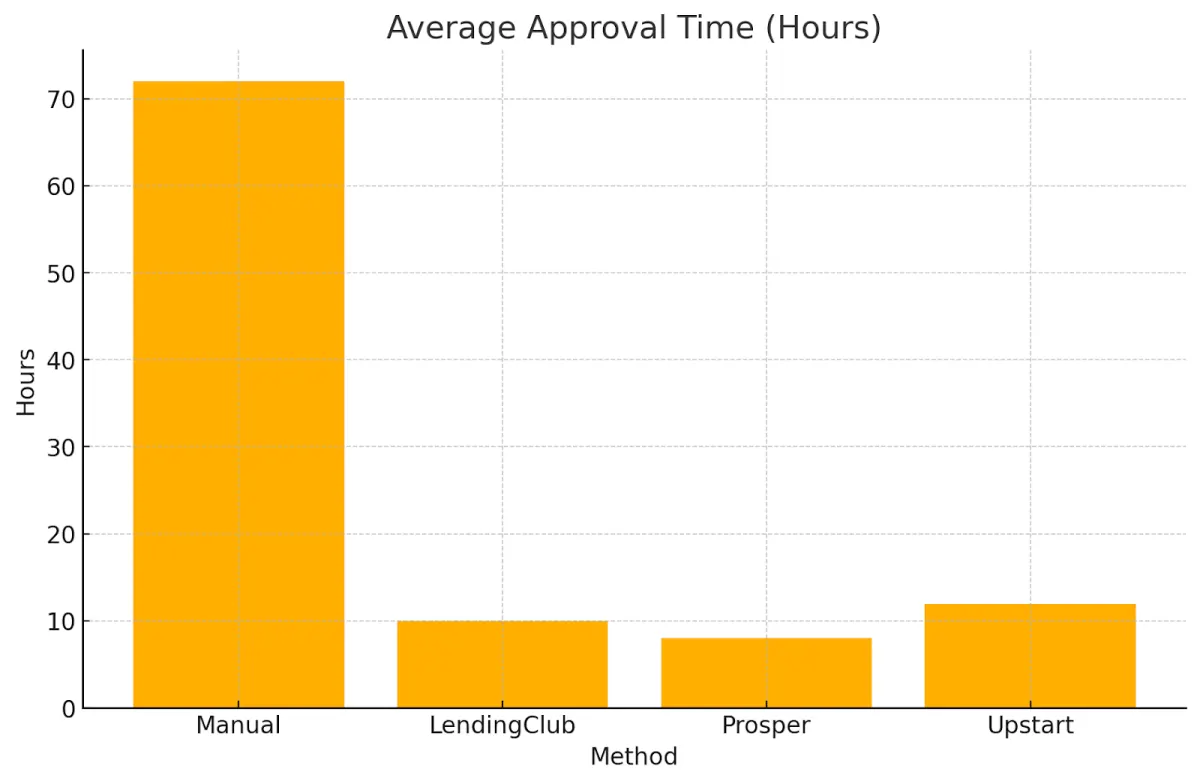
It speeds up loan approvals from days or weeks to just minutes. This quick turnaround is a real help for crowdlending sites that deal with many small loans every day. Platforms such as 8lends count on fast decisions to keep things moving smoothly. Fast responses make borrowers happier and draw more investors in.
Cost Savings
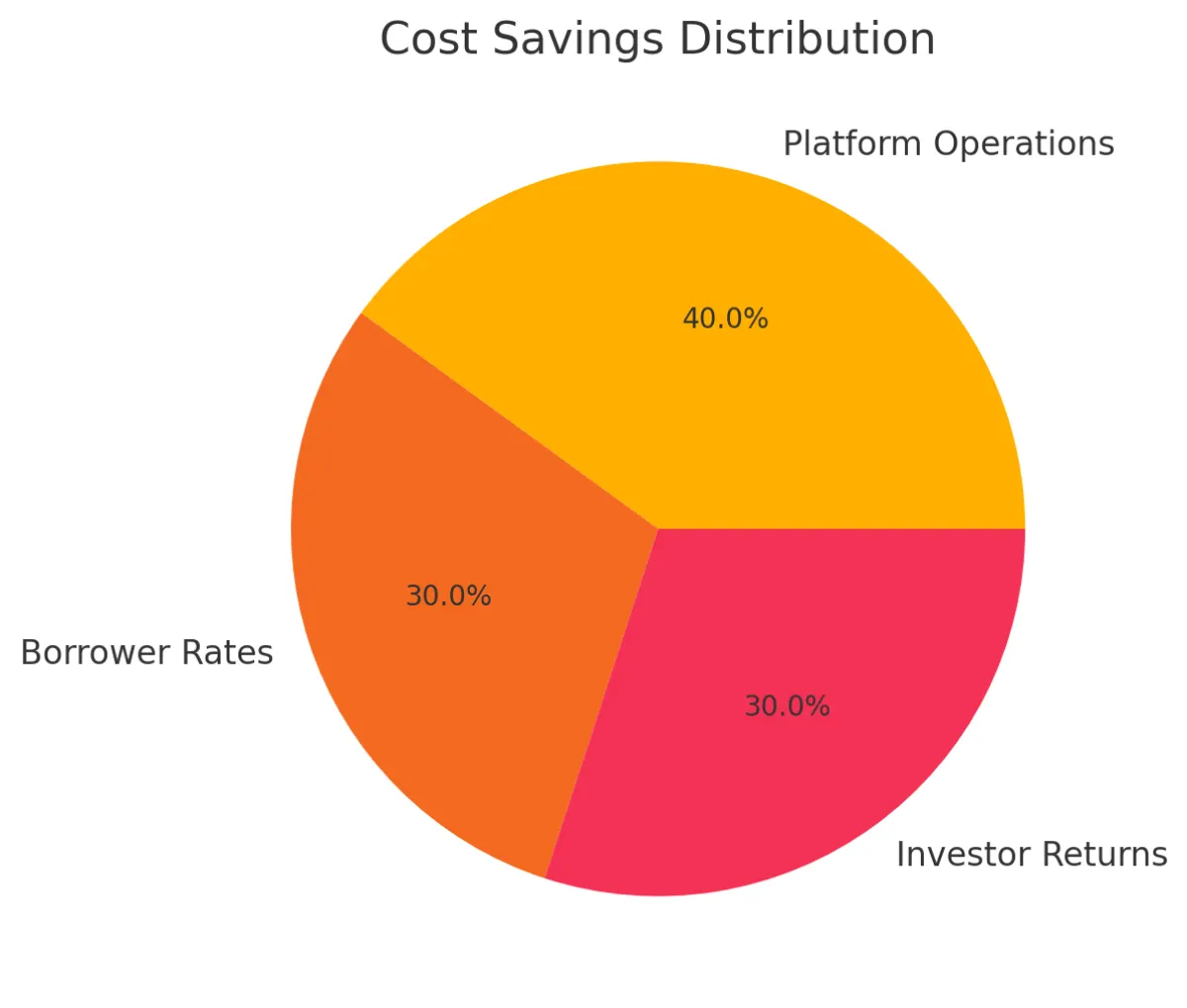
Cutting out much of the manual work slashes costs for crowdlending platforms that run on tight budgets. Those savings can turn into lower rates for borrowers and better returns for investors. This edge makes these platforms more competitive than old-school banks.
Consistency and Objectivity
Automated systems treat every application the same way, which removes personal bias and keeps decisions fair. That fairness builds trust with investors who need reliable risk ratings. It also helps keep loan quality high by preventing human mistakes.
Scalability
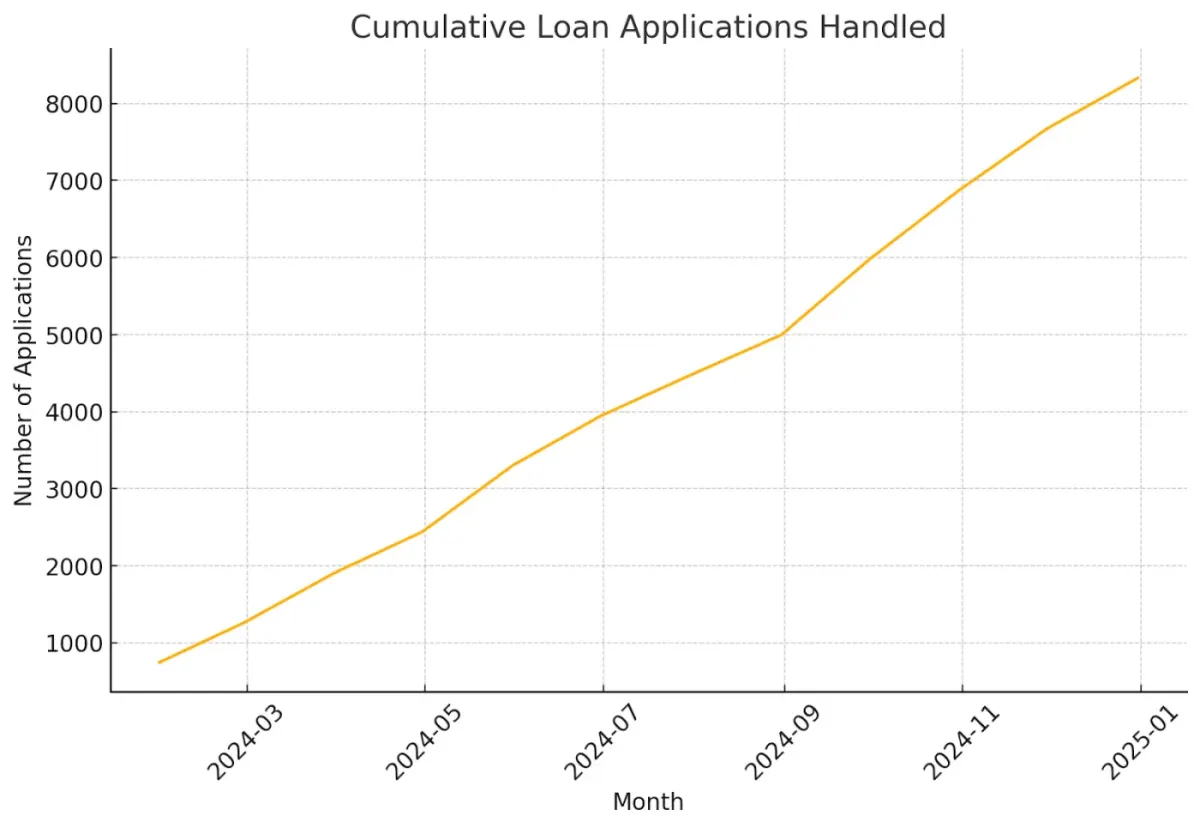
When crowdlending platforms grow, they need a way to handle more applications without hiring more staff. Automated underwriting scales up easily, so sites can expand without stretching their teams too thin. This is key for platforms serving people around the world, where they might face almost endless demand.
Data-Driven Decisions
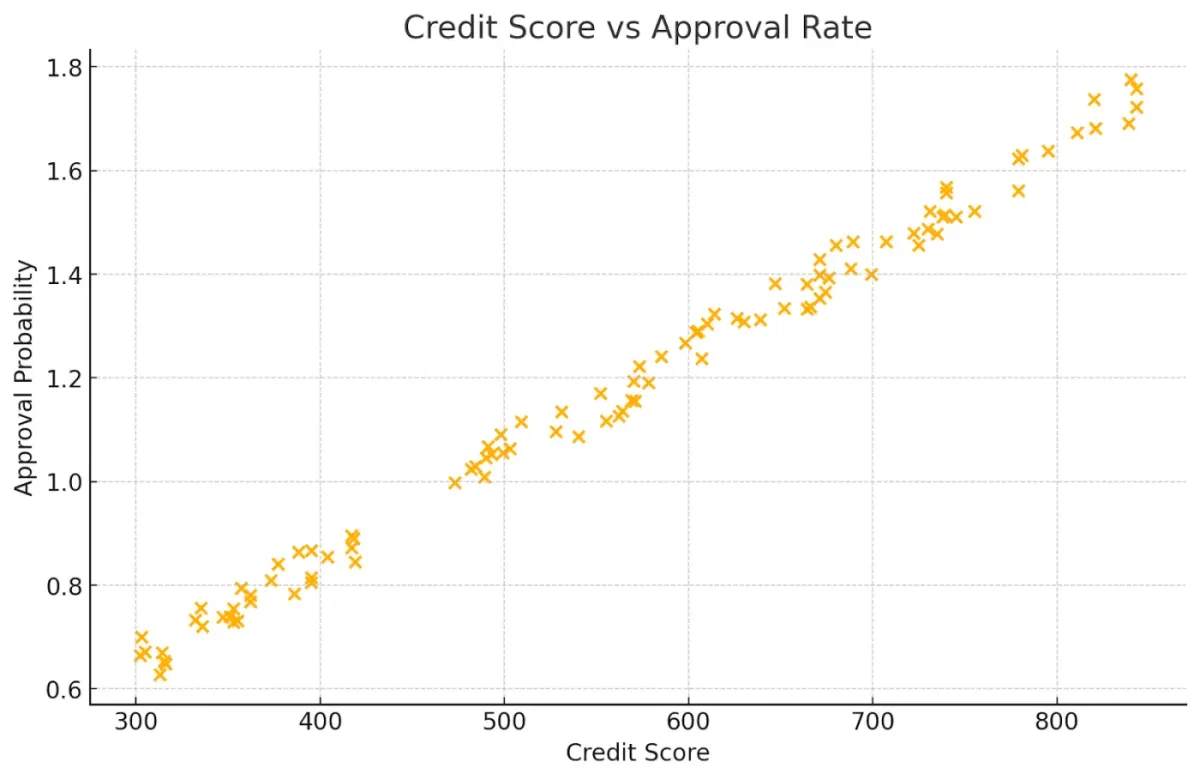
Smart algorithms look at everything from credit scores and income to job histories and even online activity. This full-picture approach often spots good borrowers that older methods miss. Some systems blend traditional and alternative data for instant, precise credit checks. So lenders know they’re making solid choices.
Cons of Automated Underwriting in Crowdlending
Despite its benefits, automated underwriting has notable drawbacks.
Risk of Bias
Algorithms seem fair, but they can repeat unfair patterns when they learn from biased data. A Lehigh University study showed that some lending models turned down more black applicants and charged them higher rates than white applicants with similar profiles.
The Federal Reserve also spotted gaps in denial rates that may come from hidden biases or missing information. In crowdlending, this can hurt diverse borrower groups, so strong fair-lending checks are needed.
Demographic Group
Denial Rate (%)
| Demographic Group | Denial Rate (%) |
|---|---|
| White | 10 |
| Black | 18 |
| Hispanic | 14 |
| Asian | 9 |
| Other | 12 |
Lack of Flexibility
Automated systems follow pre-configured rules and may fall flat in the event of unusual situations. Someone with irregular income or a one-of-a-kind financial story could be unfairly denied. Human underwriters can look at life details and make judgment calls. Automated tools can’t match that kind of a personal review.
Dependence on Data Quality
Good decisions need good data. If the data is wrong or old, the system might approve a risky borrower or refuse a safe one. This problem grows when data comes from outside sources. Connected, up-to-date data is key so that automation can work well.
Potential for Stacking
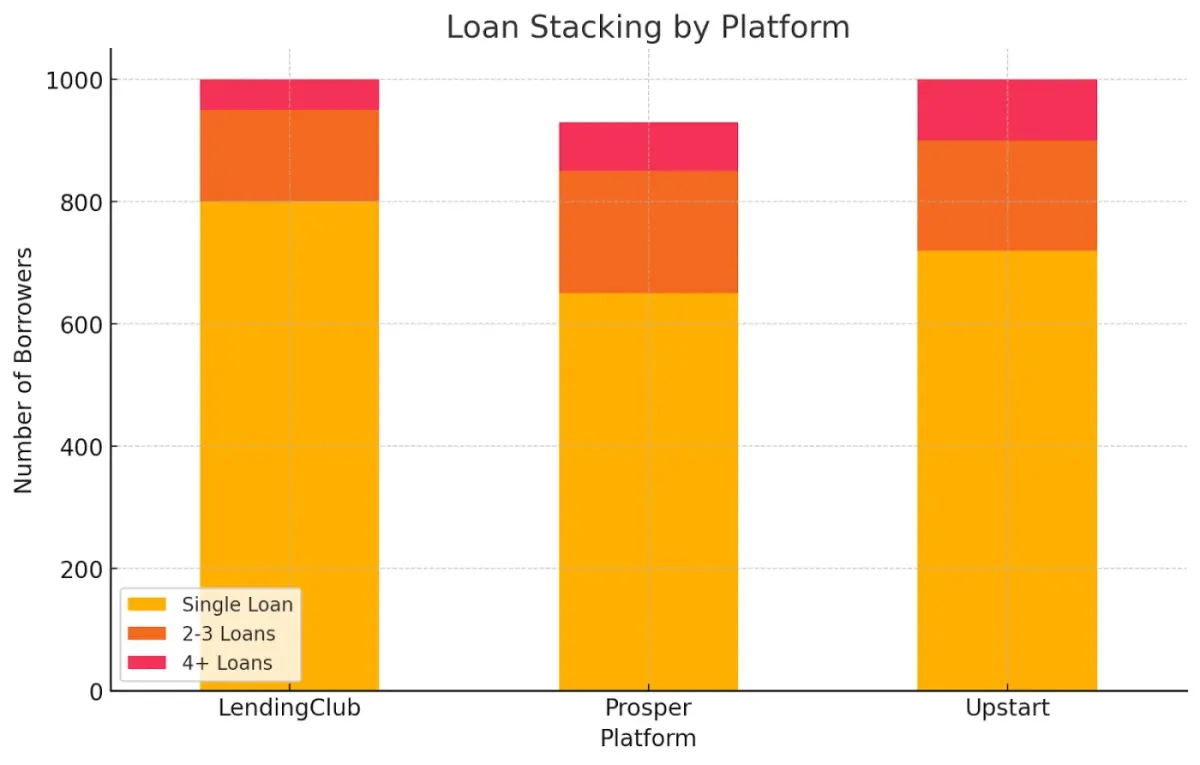
Stacking happens when borrowers take out several loans in a short time, often hiding their total debt. Automated systems may not catch this, and people can end up over-borrowing. This risk affects both the platform and its investors, especially in crowdlending where each site works on its own.
Regulatory and Compliance Risks
Underwriting software must follow laws like the Equal Credit Opportunity Act (ECOA) and Regulation B. It must not treat age or other protected traits unfairly. Regulators watch these systems closely for bias. NAFCU raised alarms about age-based differences, and the Consumer Financial Protection Bureau (CFPB) warned about bias in automated checks. Keeping algorithms up to date to meet rules takes time and resources.
Addressing the Challenges
To lower the risks in automated underwriting, crowdlending platforms can take the following steps.
- Regular audits and checks: Carry out reviews of underwriting models on a set schedule. Find and fix biases or mistakes. Stay in line with fair lending rules.
- Use varied and fair data: Train the models on data from many different groups. This cuts down on old biases that might creep in. It also answers worries about racial bias in AI.
- Mix machine work with human review: Let the system handle most cases, but flag the tricky ones. Then have a person step in to make the call. This blend speeds up simple loans while still giving room for judgment when it’s needed, so that no case is rushed.
- Strengthen data checks: Put strong verification steps in place. Make sure all borrower information is accurate and complete. This fixes the problem of models choking on bad or missing data.
- Share insights across the industry: Team up with other platforms or trade groups to pool data on total debt levels. Spot borrowers who take on too many loans at once. Joining efforts like the Small Business Finance Exchange can help stop stacking before it starts.
Real-World Examples and Case Studies
Specific stories show both the good points and the hurdles. LendingClub, a well-known crowdlending site, now uses an automated process that looks at hundreds of details instead of fixed cutoffs to approve borrowers who might have been turned away before.
Yet LendingClub and other platforms ran into trouble when some people took out several loans at once, showing a need for stronger checks. Research from Lehigh University and the Federal Reserve also highlights bias worries, revealing racial gaps in AI-driven mortgage choices that likely carry over to crowdlending too.
Conclusion
Automated underwriting changed crowdlending in a big way. Loans now move faster and cost less, and platforms can handle more applications without breaking a sweat. It checks each file the same way every time, so that small lenders can grow and stand up to banks. Still, it isn’t perfect. Bias can slip in, rules can feel too rigid, and poor data leads to poor choices. There’s also the chance of too many loans stacking up, plus the maze of regulations to navigate.
Facing these issues head-on makes all the difference. Crowdlenders can build in checks against bias and keep their data clean. They can tweak rules when life doesn’t fit a formula, and stay on top of new laws. Doing so brings together speed and fairness. As the field moves forward, watching for risks and staying flexible will help both borrowers and investors enjoy the best of this technology.
8lends is a spectacular platform when it comes to efficient underwriting, providing justified opportunities for those who are truly strong borrower candidates and lucrative returns with little to no downside. 8lends has yet to experience a default or late payment.
FAQ What is automated underwriting and how does it work in crowdlending? Automated underwriting uses AI and machine learning to evaluate loan applications by analyzing credit scores, income, job history, social media activity, and spending records. It replaces time-consuming manual reviews with instant algorithmic decisions, allowing crowdlending platforms to process thousands of applications quickly and efficiently. What are the main advantages of automated underwriting for borrowers and investors? Automated underwriting offers speed and efficiency with loan approvals in minutes instead of weeks, cost savings that lead to lower rates for borrowers and better returns for investors, consistent and objective decision-making that removes personal bias, and scalability that allows platforms to handle growing demand without expanding staff. What risks and challenges does automated underwriting present? Key challenges include risk of bias where algorithms can perpetuate discriminatory patterns from historical data, lack of flexibility for unusual financial situations, dependence on data quality that can lead to wrong decisions if information is outdated or incorrect, potential for loan stacking where borrowers take multiple loans simultaneously, and regulatory compliance risks. How can crowdlending platforms address the downsides of automated systems? Platforms can conduct regular audits to identify and fix biases, use diverse and fair training data, combine automated processing with human review for complex cases, strengthen data verification processes, and collaborate with other platforms to share insights about borrower debt levels and prevent loan stacking. Are there real examples of bias in automated lending systems? Yes, research from Lehigh University showed that some lending models denied more black applicants and charged them higher rates than white applicants with similar profiles. The Federal Reserve also identified gaps in denial rates that may stem from hidden biases or missing information, highlighting the need for strong fair-lending oversight. How does data quality impact automated underwriting decisions? Good decisions require accurate, up-to-date data. If the information is wrong or outdated, automated systems might approve risky borrowers or reject safe ones. This problem grows when data comes from external sources, making connected and current data essential for effective automation in crowdlending platforms.
接着读



有任何疑问吗?
全部问题平台已通过 CertiK 和 Cyberscope 审计,所有交易在 Base 区块链上公开可查。平台背后是两家职责清晰的公司:CLEARCHAIN CORP 负责平台运营,并在加拿大以 Money Services Business 身份在 FINTRAC 注册;Maclear AG 负责尽调与抵押物监管。平台受到良好监管,公开透明且责任清晰
若项目带有 BuyBack,逾期满 60 天后合作方将买断贷款并返还 100% 本金。若无 BuyBack,Maclear AG 将启动抵押物出售,所得按比例分配给投资者。平台上线以来从未发生违约
平台由 CLEARCHAIN CORP 运营,其在加拿大注册为 Money Services Business(MSB),并须在 FINTRAC 下履行强制性 AML/CFT 合规要求。结算以 USD 进行。平台并非 CASP,因此 DAC8 要求不适用
发展中地区的中小企业难以获得银行融资,愿意支付比欧盟或美国企业更高的利率
到期前可在二级市场将头寸卖给其他投资者。Fastlending 没有固定期限:本金和收益随时可提取
最低投资额为 100 USD
企业不还款的风险、抵押物价值波动的风险、二级市场无买家时的流动性受限风险,以及智能合约相关的技术风险
100 至 500 USD 的投资无需 KYC。超过 500 USD 需完成完整认证:身份证件和地址证明