

2025년 8월 26일4 분 소요
개인 간(P2P) 대출, 즉 크라우드렌딩은 대출이 필요한 사람과 온라인 투자자를 연결함으로써 자금을 마련하는 새로운 방법을 열었습니다. 은행을 거치지 않고 개인과 소규모 사업체에 공정한 금리를 제공합니다. 이러한 성공의 핵심 도구가 바로 자동화된 심사입니다. 이는 스마트 알고리즘과 데이터를 활용해 신용을 확인함으로써 신속하게 결정을 내립니다. 이를 통해 플랫폼은 원활하게 운영되고 빠르게 성장할 수 있습니다. 그러나 여기에는 몇 가지 단점도 있습니다. 알고리즘은 과거 데이터에 의존하며 새로운 패턴을 놓칠 수 있습니다. 사람의 전체적인 사정을 항상 파악하지는 못해 실수나 불공정한 결과로 이어질 수 있습니다. 이 글에서는 크라우드렌딩에서 자동화된 심사의 장단점을 살펴봅니다.
What is Automated Underwriting?
Automated underwriting uses AI and machine learning to check loan applications. It looks at things to build a fuller picture like:
- credit scores
- income
- job history
- bits of social media activity
- spending records
Underwriting by hand takes time and leans on each person’s own judgment. Crowdlending sites handle so many loans that they rely on automation to keep things moving. It speeds up decisions and feels fairer, yet it brings about certain issues that need careful handling.
Pros of Automated Underwriting in Crowdlending
Automated underwriting offers several advantages for crowdlending platforms:
Speed and Efficiency
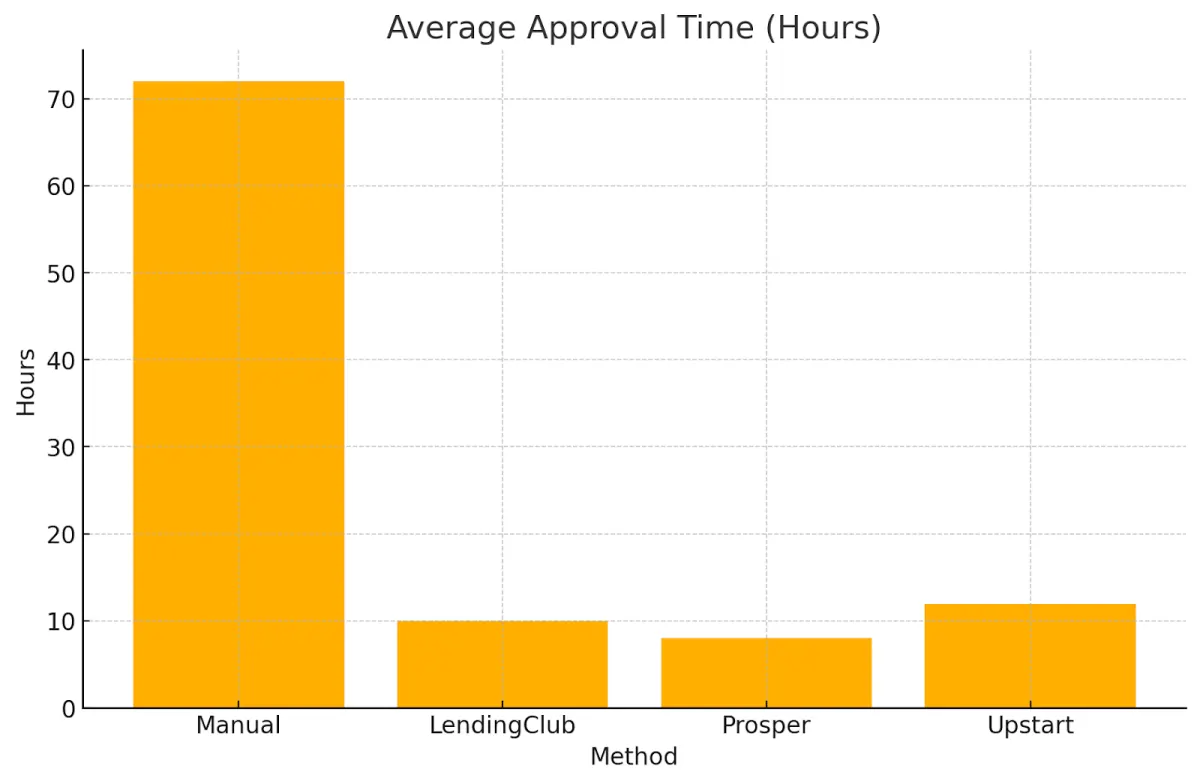
It speeds up loan approvals from days or weeks to just minutes. This quick turnaround is a real help for crowdlending sites that deal with many small loans every day. Platforms such as 8lends count on fast decisions to keep things moving smoothly. Fast responses make borrowers happier and draw more investors in.
Cost Savings
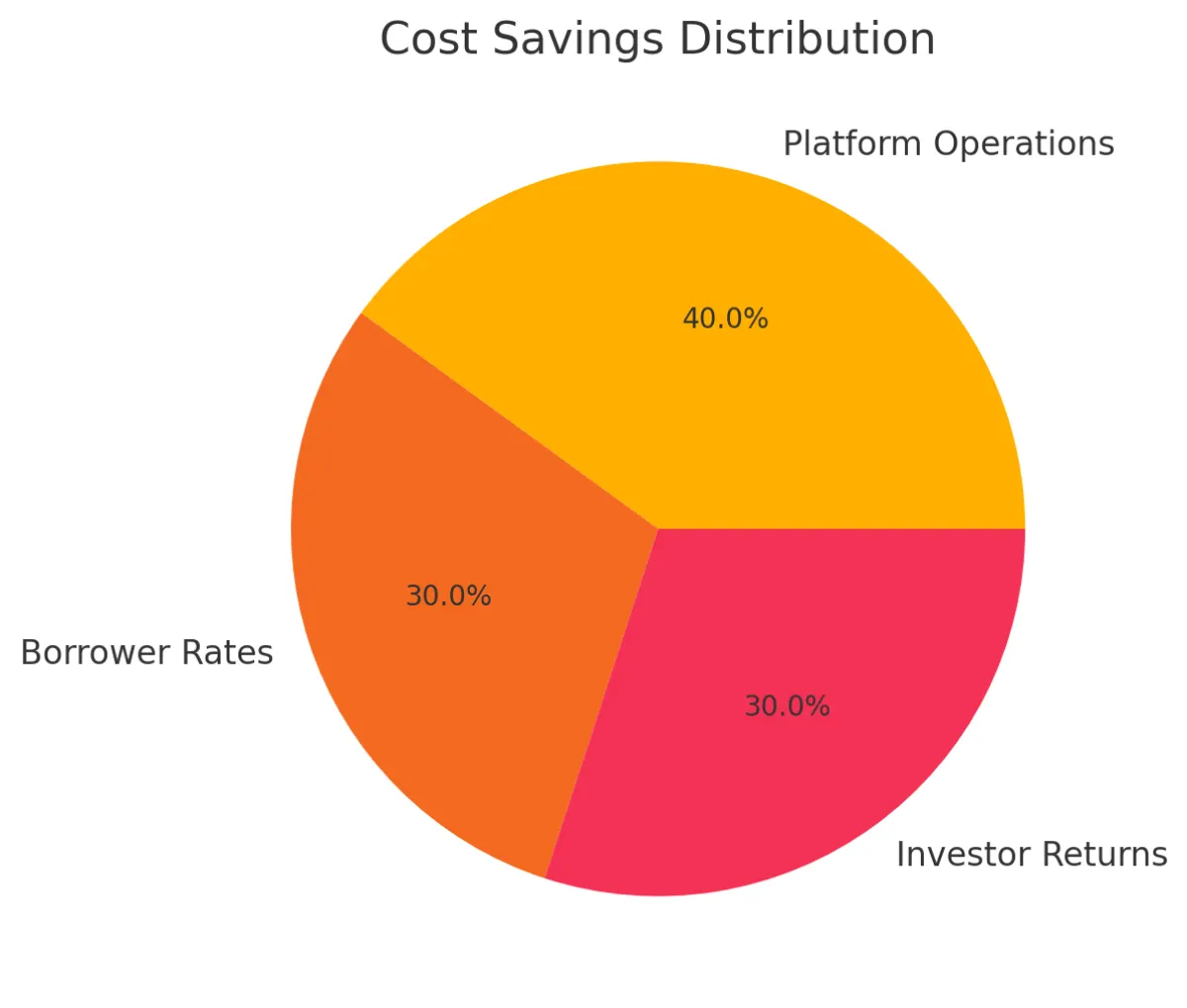
Cutting out much of the manual work slashes costs for crowdlending platforms that run on tight budgets. Those savings can turn into lower rates for borrowers and better returns for investors. This edge makes these platforms more competitive than old-school banks.
Consistency and Objectivity
Automated systems treat every application the same way, which removes personal bias and keeps decisions fair. That fairness builds trust with investors who need reliable risk ratings. It also helps keep loan quality high by preventing human mistakes.
Scalability
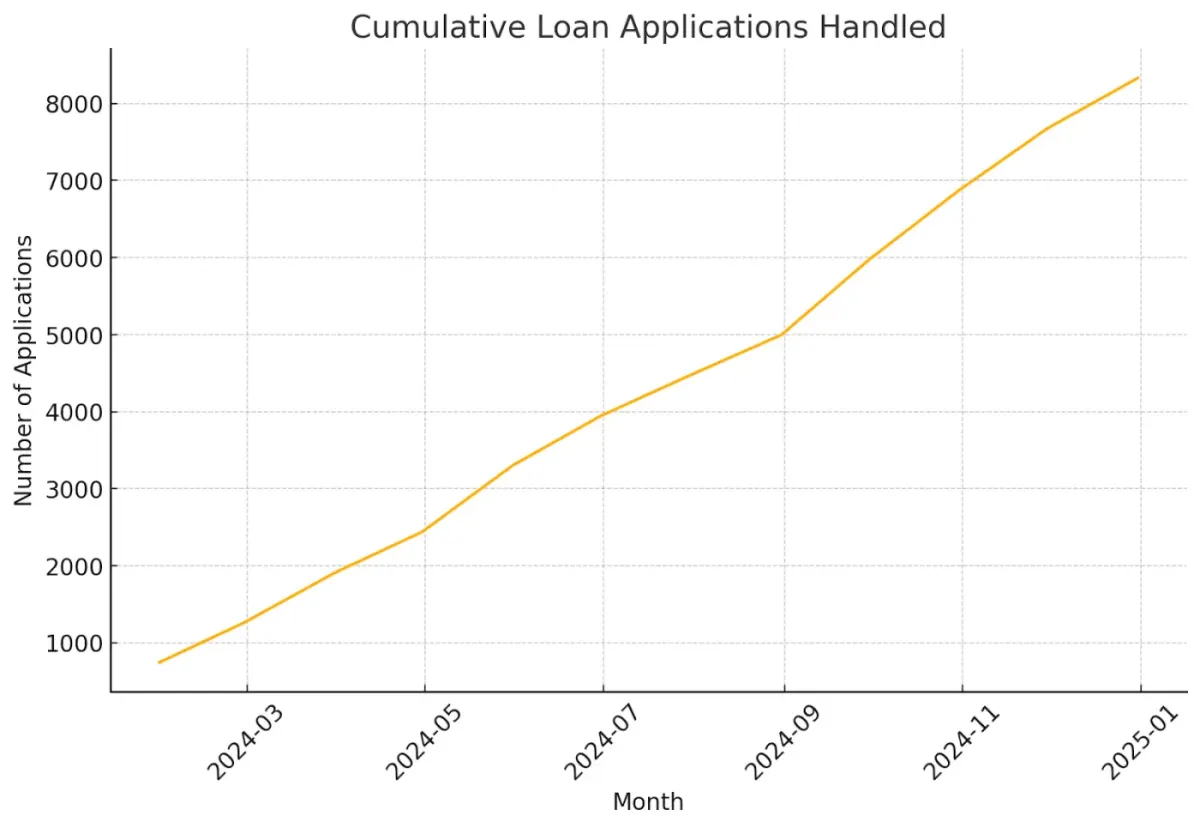
When crowdlending platforms grow, they need a way to handle more applications without hiring more staff. Automated underwriting scales up easily, so sites can expand without stretching their teams too thin. This is key for platforms serving people around the world, where they might face almost endless demand.
Data-Driven Decisions
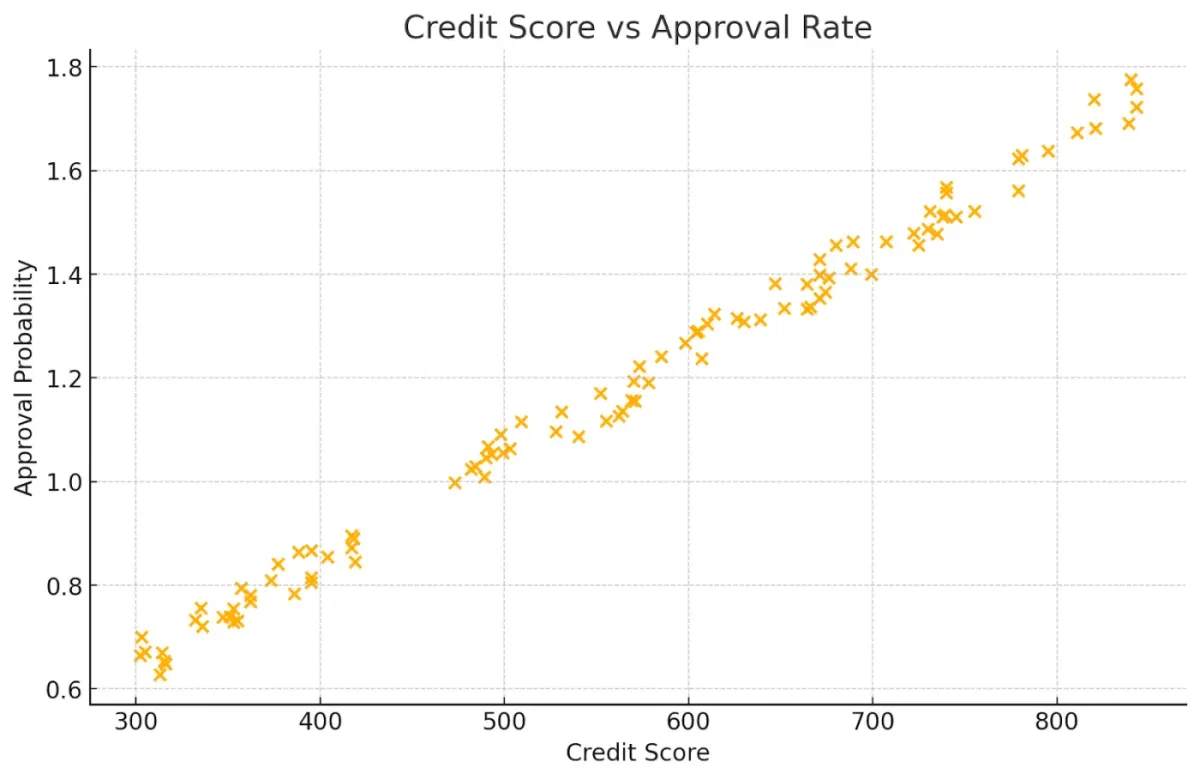
Smart algorithms look at everything from credit scores and income to job histories and even online activity. This full-picture approach often spots good borrowers that older methods miss. Some systems blend traditional and alternative data for instant, precise credit checks. So lenders know they’re making solid choices.
Cons of Automated Underwriting in Crowdlending
Despite its benefits, automated underwriting has notable drawbacks.
Risk of Bias
Algorithms seem fair, but they can repeat unfair patterns when they learn from biased data. A Lehigh University study showed that some lending models turned down more black applicants and charged them higher rates than white applicants with similar profiles.
The Federal Reserve also spotted gaps in denial rates that may come from hidden biases or missing information. In crowdlending, this can hurt diverse borrower groups, so strong fair-lending checks are needed.
Demographic Group
Denial Rate (%)
| Demographic Group | Denial Rate (%) |
|---|---|
| White | 10 |
| Black | 18 |
| Hispanic | 14 |
| Asian | 9 |
| Other | 12 |
Lack of Flexibility
Automated systems follow pre-configured rules and may fall flat in the event of unusual situations. Someone with irregular income or a one-of-a-kind financial story could be unfairly denied. Human underwriters can look at life details and make judgment calls. Automated tools can’t match that kind of a personal review.
Dependence on Data Quality
Good decisions need good data. If the data is wrong or old, the system might approve a risky borrower or refuse a safe one. This problem grows when data comes from outside sources. Connected, up-to-date data is key so that automation can work well.
Potential for Stacking
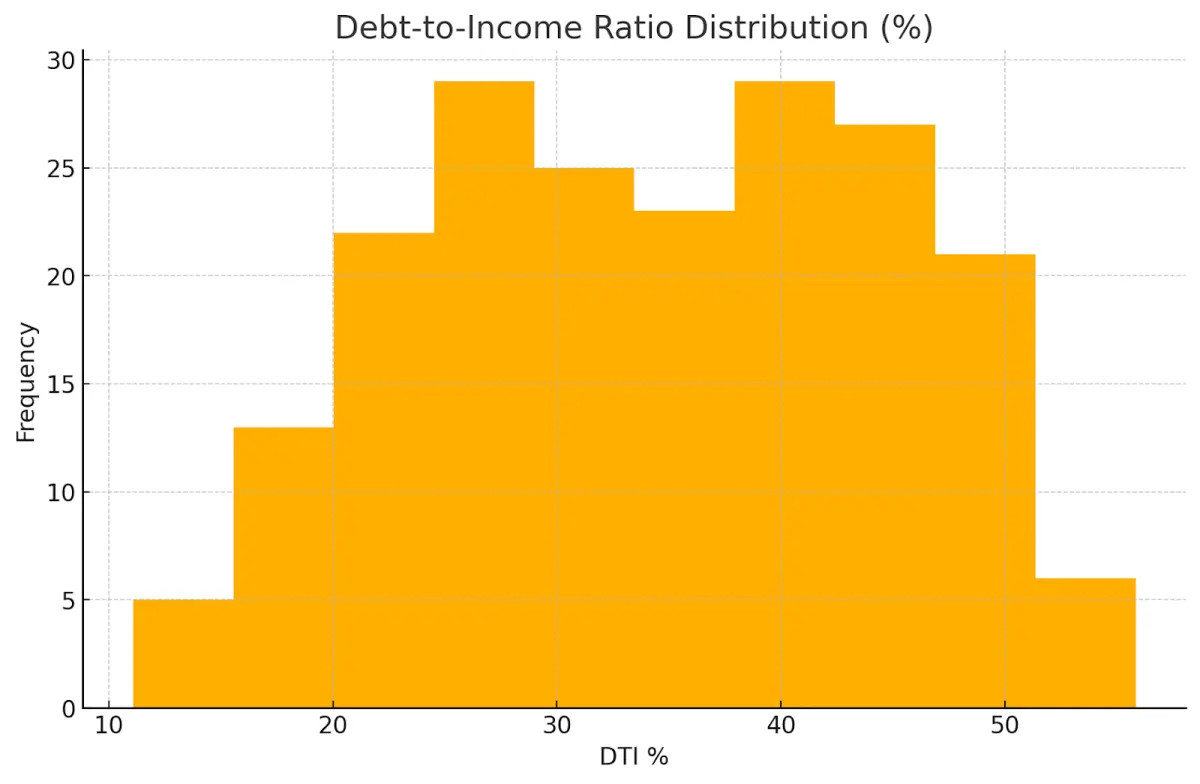
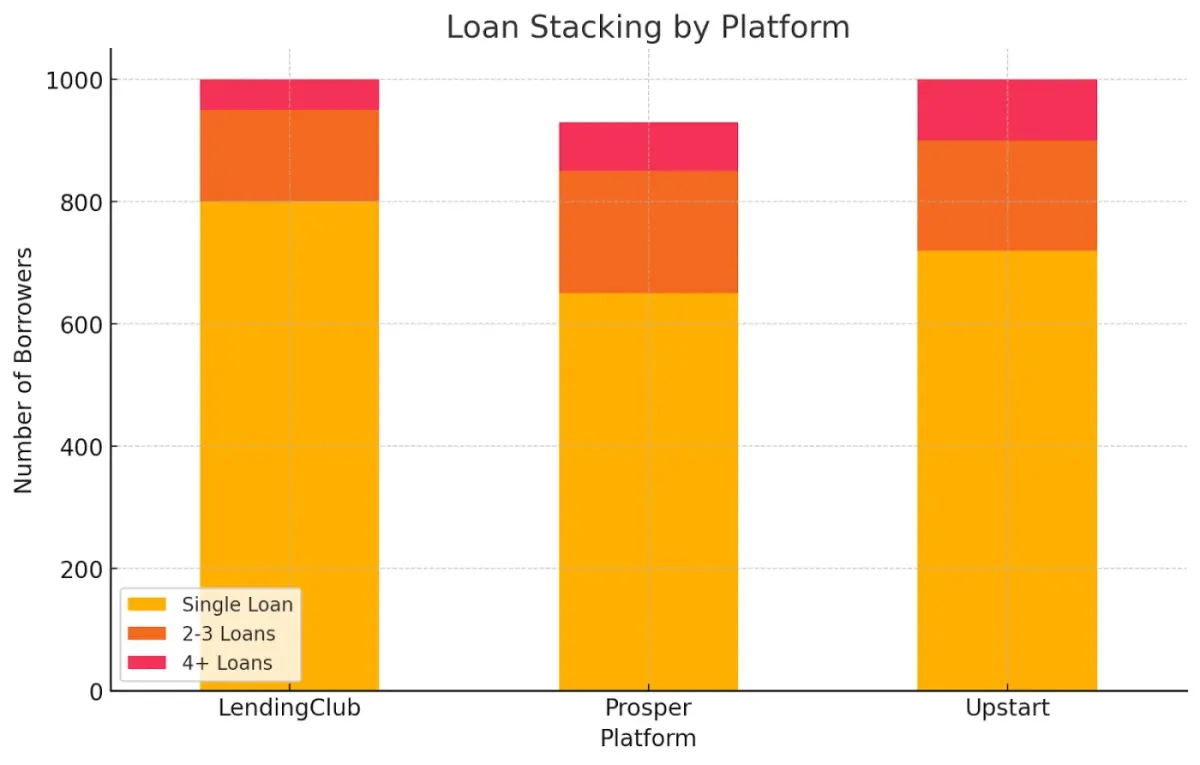
Stacking happens when borrowers take out several loans in a short time, often hiding their total debt. Automated systems may not catch this, and people can end up over-borrowing. This risk affects both the platform and its investors, especially in crowdlending where each site works on its own.
Regulatory and Compliance Risks
Underwriting software must follow laws like the Equal Credit Opportunity Act (ECOA) and Regulation B. It must not treat age or other protected traits unfairly. Regulators watch these systems closely for bias. NAFCU raised alarms about age-based differences, and the Consumer Financial Protection Bureau (CFPB) warned about bias in automated checks. Keeping algorithms up to date to meet rules takes time and resources.
Addressing the Challenges
To lower the risks in automated underwriting, crowdlending platforms can take the following steps.
- Regular audits and checks: Carry out reviews of underwriting models on a set schedule. Find and fix biases or mistakes. Stay in line with fair lending rules.
- Use varied and fair data: Train the models on data from many different groups. This cuts down on old biases that might creep in. It also answers worries about racial bias in AI.
- Mix machine work with human review: Let the system handle most cases, but flag the tricky ones. Then have a person step in to make the call. This blend speeds up simple loans while still giving room for judgment when it’s needed, so that no case is rushed.
- Strengthen data checks: Put strong verification steps in place. Make sure all borrower information is accurate and complete. This fixes the problem of models choking on bad or missing data.
- Share insights across the industry: Team up with other platforms or trade groups to pool data on total debt levels. Spot borrowers who take on too many loans at once. Joining efforts like the Small Business Finance Exchange can help stop stacking before it starts.
Real-World Examples and Case Studies
Specific stories show both the good points and the hurdles. LendingClub, a well-known crowdlending site, now uses an automated process that looks at hundreds of details instead of fixed cutoffs to approve borrowers who might have been turned away before.
Yet LendingClub and other platforms ran into trouble when some people took out several loans at once, showing a need for stronger checks. Research from Lehigh University and the Federal Reserve also highlights bias worries, revealing racial gaps in AI-driven mortgage choices that likely carry over to crowdlending too.
Conclusion
Automated underwriting changed crowdlending in a big way. Loans now move faster and cost less, and platforms can handle more applications without breaking a sweat. It checks each file the same way every time, so that small lenders can grow and stand up to banks. Still, it isn’t perfect. Bias can slip in, rules can feel too rigid, and poor data leads to poor choices. There’s also the chance of too many loans stacking up, plus the maze of regulations to navigate.
Facing these issues head-on makes all the difference. Crowdlenders can build in checks against bias and keep their data clean. They can tweak rules when life doesn’t fit a formula, and stay on top of new laws. Doing so brings together speed and fairness. As the field moves forward, watching for risks and staying flexible will help both borrowers and investors enjoy the best of this technology.
8lends is a spectacular platform when it comes to efficient underwriting, providing justified opportunities for those who are truly strong borrower candidates and lucrative returns with little to no downside. 8lends has yet to experience a default or late payment.
FAQ What is automated underwriting and how does it work in crowdlending? Automated underwriting uses AI and machine learning to evaluate loan applications by analyzing credit scores, income, job history, social media activity, and spending records. It replaces time-consuming manual reviews with instant algorithmic decisions, allowing crowdlending platforms to process thousands of applications quickly and efficiently. What are the main advantages of automated underwriting for borrowers and investors? Automated underwriting offers speed and efficiency with loan approvals in minutes instead of weeks, cost savings that lead to lower rates for borrowers and better returns for investors, consistent and objective decision-making that removes personal bias, and scalability that allows platforms to handle growing demand without expanding staff. What risks and challenges does automated underwriting present? Key challenges include risk of bias where algorithms can perpetuate discriminatory patterns from historical data, lack of flexibility for unusual financial situations, dependence on data quality that can lead to wrong decisions if information is outdated or incorrect, potential for loan stacking where borrowers take multiple loans simultaneously, and regulatory compliance risks. How can crowdlending platforms address the downsides of automated systems? Platforms can conduct regular audits to identify and fix biases, use diverse and fair training data, combine automated processing with human review for complex cases, strengthen data verification processes, and collaborate with other platforms to share insights about borrower debt levels and prevent loan stacking. Are there real examples of bias in automated lending systems? Yes, research from Lehigh University showed that some lending models denied more black applicants and charged them higher rates than white applicants with similar profiles. The Federal Reserve also identified gaps in denial rates that may stem from hidden biases or missing information, highlighting the need for strong fair-lending oversight. How does data quality impact automated underwriting decisions? Good decisions require accurate, up-to-date data. If the information is wrong or outdated, automated systems might approve risky borrowers or reject safe ones. This problem grows when data comes from external sources, making connected and current data essential for effective automation in crowdlending platforms.
다음 읽을거리


궁금한 점이 있으신가요?
모든 질문플랫폼은 CertiK와 Cyberscope의 감사를 받았으며 모든 거래는 Base에서 공개적으로 확인할 수 있습니다. 책임이 명확한 두 회사가 뒷받침합니다: CLEARCHAIN CORP(플랫폼 운영, 캐나다 FINTRAC에 MSB로 등록)와 Maclear AG(실사와 담보). 플랫폼은 잘 규제되고 투명하며 책임 있게 운영됩니다
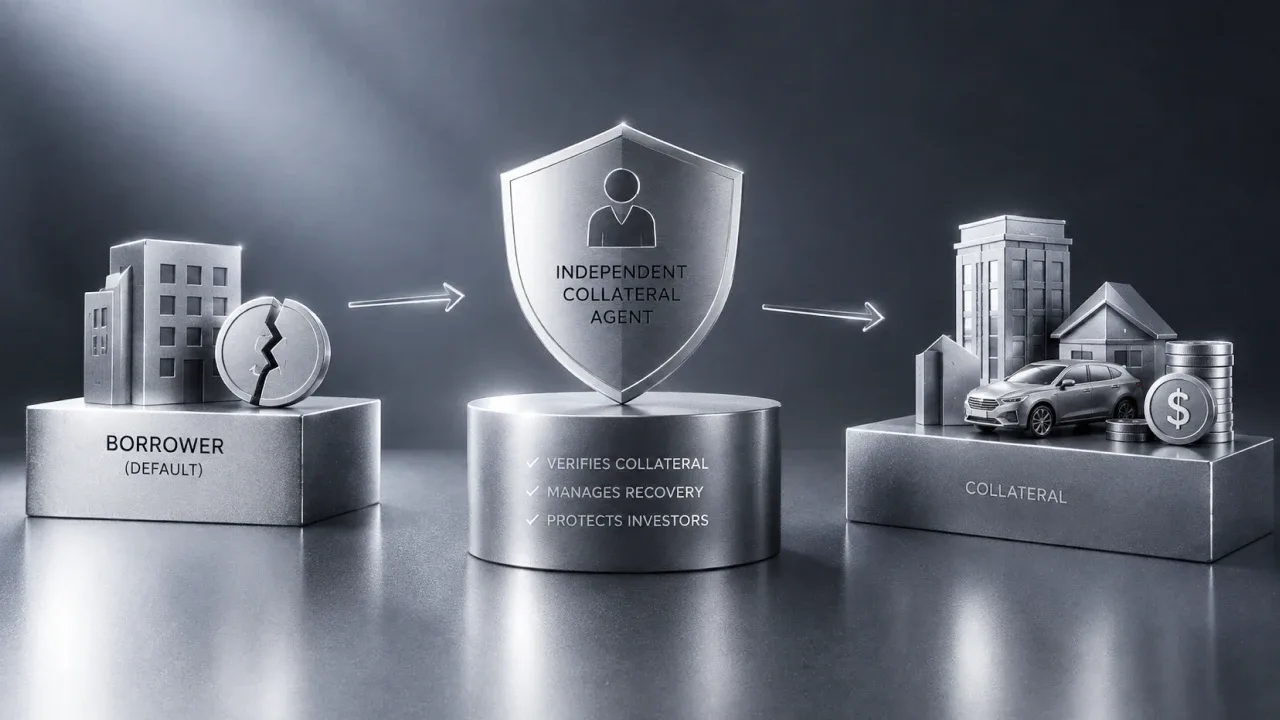
BuyBack이 있는 프로젝트라면 60일 이상 연체 시 파트너가 대출을 매입해 원금의 100%를 돌려줍니다. BuyBack이 없으면 Maclear AG가 담보 매각을 시작하고 대금은 투자자에게 비례 배분됩니다. 출시 이후 부도는 없었습니다
플랫폼은 캐나다에서 Money Services Business(MSB)로 등록되어 FINTRAC의 의무 AML/CFT 컴플라이언스 요건을 적용받는 CLEARCHAIN CORP가 운영합니다. 정산은 USD로 이루어집니다. 플랫폼은 CASP가 아니므로 DAC8 요건이 적용되지 않습니다
개발도상 지역의 중소기업은 은행 금융에 쉽게 접근하지 못해 EU나 미국 기업보다 높은 금리를 감수합니다
만기 전에 세컨더리 마켓에서 다른 투자자에게 포지션을 판매할 수 있습니다. Fastlending은 고정 기간이 없어 원금과 수익을 언제든 인출할 수 있습니다
최소 투자액은 100 USD입니다
기업의 미상환 리스크, 담보 가치 변동 리스크, 세컨더리 마켓에 매수자가 없을 때의 유동성 제한 리스크, 스마트 컨트랙트 관련 기술 리스크
100–500 USD 투자는 KYC 없이 가능합니다. 500 USD 초과 시 신분증과 주소 증명을 통한 전체 인증이 필요합니다