
How to Evaluate a Borrower Listing: Red Flags and Green Lights

October 2, 20255 min read
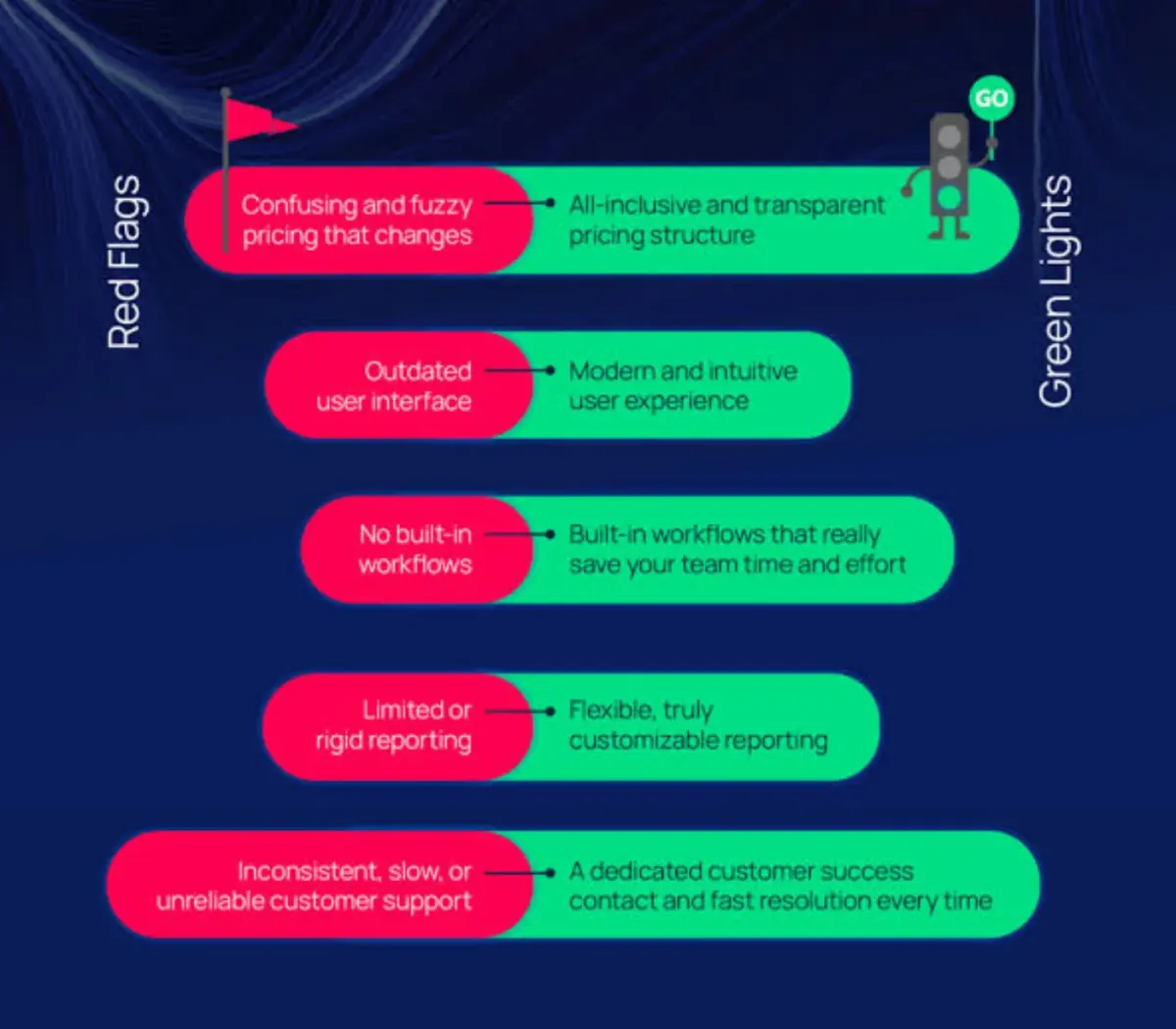
Are you considering investing in a borrower's project, a house, or a business loan? The stats and returns may look appealing at first. Just because a listing seems reasonable doesn't imply it's a good investment though. To evaluate a borrower listing, you need to read between the lines. You can learn to see warning flags and good chances if you follow the rules and take your time. Here’s how to analyze a borrower's listing.
Why Borrower Listings Deserve Your Full Attention
You can practically understand a person's finances by looking at their borrower listings. This reflects their desire and reliability; thus, helping you assess the risk in peer-to-peer lending, private financing, or crowdfunding platforms.
It’s critical to ask if the borrower can pay back what they want. If the listing doesn't make it plain, it's time to look more closely. A single mistake could cost you money, but a diligent review could birth a profitable and trustworthy partnership.
The 5 Cs of Credit
The "5 Cs of Credit" is a set of criteria that professional lenders typically use to determine if a borrower is trustworthy.
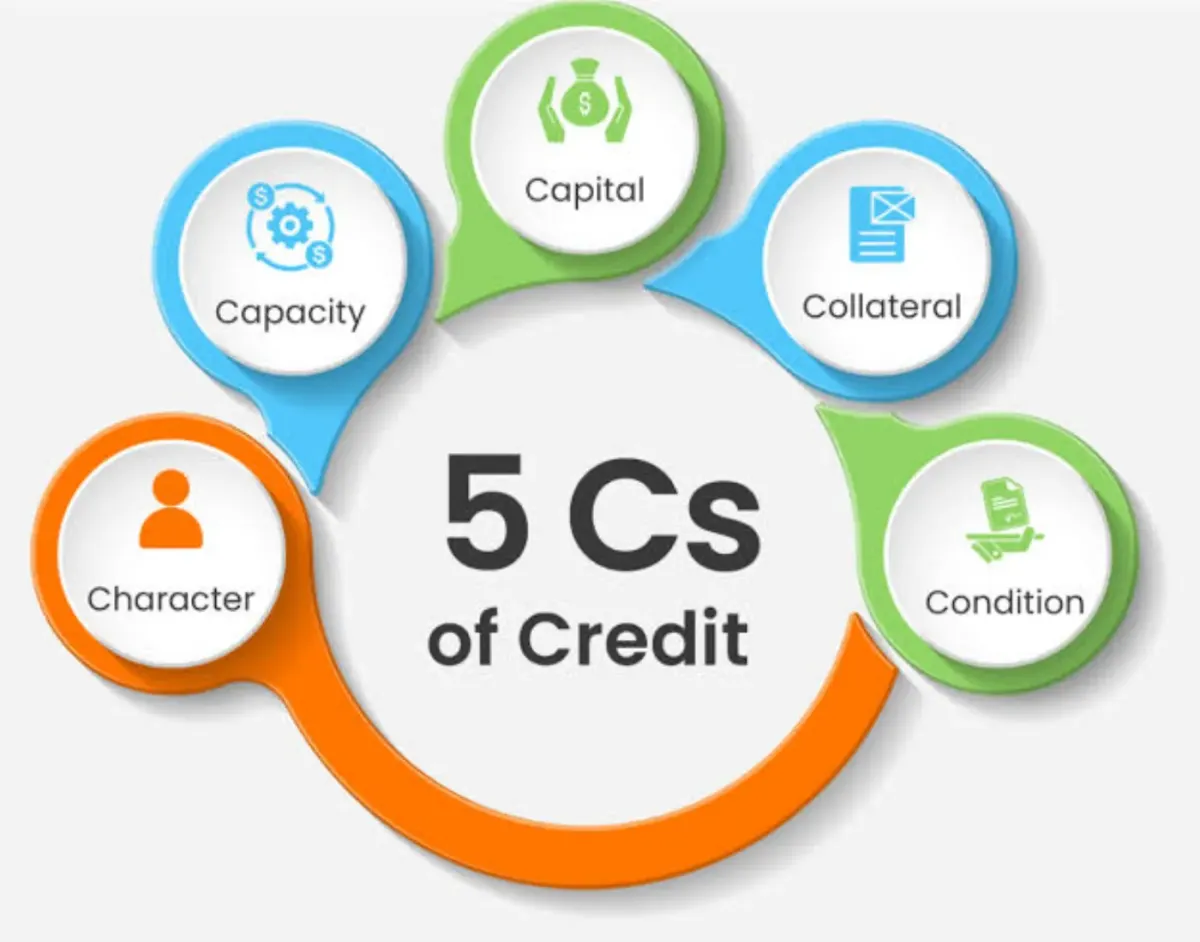
- Character: “Can the borrower pay back debts?” You can't always meet them in person, but you can look at their credit history, payment history, and work history. You shouldn’t trust someone with your money if they have a history of late payments, legal problems, or bad reviews. Meanwhile, a person with a clean record looks trustworthy.
- Capacity: “Can they afford to pay back the loan?" You need to know their revenue, debt, and cash flow to make an informed decision. If someone is short on money, they may have trouble even if they mean well.
- Capital: “What does the borrower already have?” This could be savings, equity in real estate, or other types of assets. People who borrow money to invest in a project are usually more committed and prepared to face challenges.
- Collateral: This is the asset that backs the loan, like a piece of property or equipment. If something goes wrong, collateral can help. The investment is usually safer if the collateral is stronger and easier to verify.
- Lastly, Consider: the loan's terms and the state of the economy or market. Even a superb borrower may have trouble in a weak market. Also, ambiguous loan terms or unclear goals can be signs of more significant issues in the future.
Spotting Red Flags Before They Cost You
Borrower postings sometimes have red signals that aren't always obvious, but they're usually enough to prevent bad deals. One primary symptom of trouble is having untidy or inadequate financial records. If the numbers don't add up or essential papers are missing, the borrower may be disorganized or hiding something.
If a business or person makes less money, it's reasonable to find out why and if that trend will continue. It can also be an issue if a borrower depends too much on one customer or source of income. If that one connection breaks, they might not be able to pay back the money they owe.
Unrealistic Projections
If a listing promises big profits with no risk or shows a future that looks too good to be true, trust your gut. When it comes to their plans, reliable borrowers are usually honest about the problems they might face.
Suspicious Activity
Take hints from how people act. If a borrower seems to be in a hurry to finish a contract, won't answer questions clearly, or waits too long to deliver important documents, they may be trying to avoid scrutiny. If a borrower has never worked in the field they're borrowing for, like a first-time real estate investor starting a big fix-and-flip project, that's also something to think about.
Another set of warning flags includes problems with the law and how things work. Pending lawsuits, expired licenses, or strange business practices can suggest that a company is unstable or will have problems in the future. And while looking at real estate listings, watch out for unclear ownership information, zoning conflicts, or houses with structural issues that haven't been fixed.
In some dire circumstances, listings may be fake. Some signs of fraud are property prices that are too high, paperwork that doesn't match, or sketchy work histories. If the borrower won't confirm basic information or provide ID, walk away, no matter how good the transaction sounds.
Counteraction
Platforms like 8lends take many of these risks off your plate by vetting borrowers through rigorous, data-driven methods. From collateral-backed deals to transparent documentation and borrower interviews, 8lends makes it easier to spot both red flags and promising opportunities – without needing to be a forensic accountant. That’s one reason investors trust the platform to deliver consistent, high-yield lending options with zero platform fees.
Recognizing the Green Lights of a Strong Listing
Conversely, not every listing is terrible news. Some borrowers are decent, but it takes a little effort to review them. What does a good borrower list look like? First, the numbers add up. A solid listing will have neat financial papers, steady income, and a sufficient margin to repay the loan installments easily. Businesses should have consistent or growing income, and the borrower should have access to savings or other sources of money.
The borrower's behavior is also crucial. Do they answer quickly? Are they willing to answer queries and give further information? To create trust, it's essential to be open and professional. A well-prepared applicant will also have a reasonable justification for the loan. The goal should be fair, well-thought-out, and based on facts, whether it's to grow a business, buy a home, or pay off debt. You should be able to see how the loan fits into their overall plan and how they expect to pay it back.
Furthermore, check to see if their surroundings are stable. Are they doing business in a healthy market? Do they have a good team working for them? Are their assets insured, documented, and appraised correctly? All of these things make it more likely that your investment will stay on track.
How to Do Proper Due Diligence
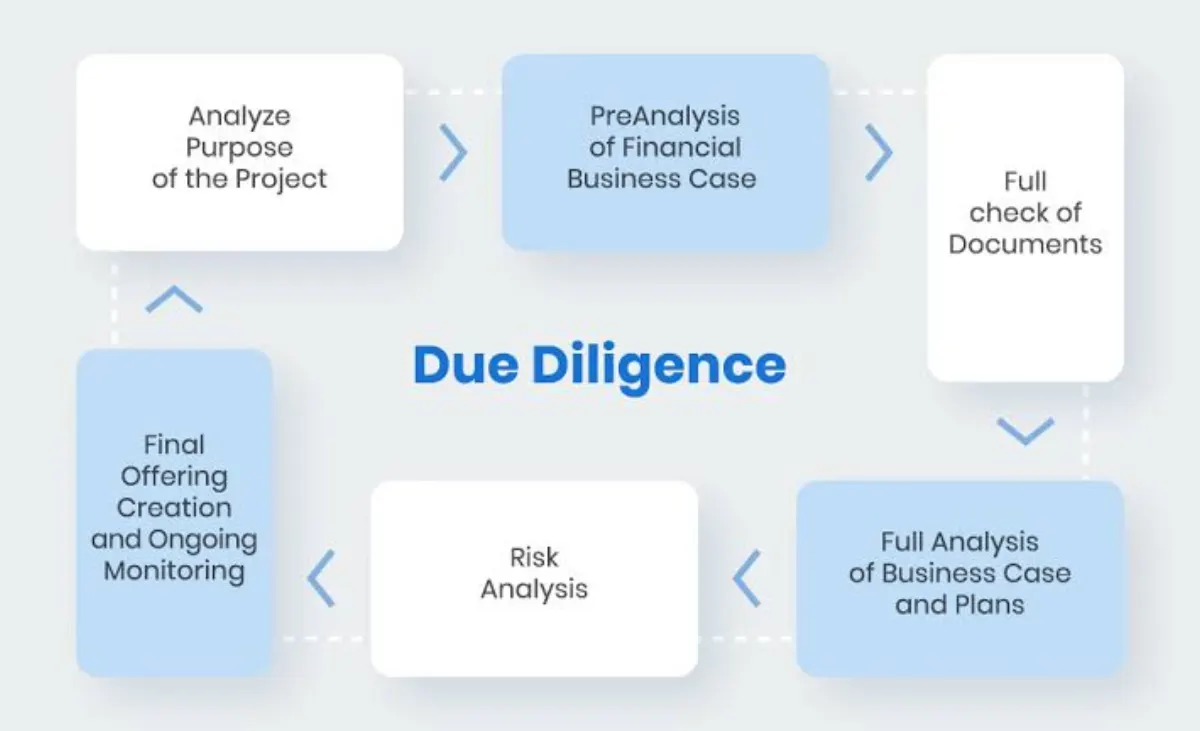
It's time to put everything you've learned into action now that you know what to look for and what to avoid. What makes wise investors different from lucky ones is that they do their research.
To begin, carefully go over the borrower's financial papers. Look at their tax records, income reports, bank statements, and any project budgets or estimates they give you. Don't be scared to ask further questions if anything doesn't make sense. You should also check their credit history, including for personal loans. You can often check a business's credit through vendors, suppliers, or credit reporting services.
It's also essential to check someone's income. Look for pay stubs, signed contracts, or concrete proof that support their claims. If they have collateral, have a reputable third party look at it. Don't just believe what the borrower says; make sure the asset is absolute, justified, and legal.
It can also be beneficial to have an inspection of the property or project. A site visit might tell you a lot more than images or listings can if you're lending on a real estate purchase.
Finally, analyze the borrower's past. Check reviews, ask for references, and search legal databases for ongoing litigation or past issues.
Conclusion
Every listing has some risk. But you can handle risk with the correct tools, questions, and attitude. You needn’t blindly guess; you can learn from situations clearly, confidently, and calmly.
Want a lending platform that respects your diligence and rewards it? 8lends gives you access to fully-vetted, high-yield business loans with no hidden fees, inflated promises, or vague paperwork.
Read next



Do You Have Any Questions?
All questionsThe platform has been audited by CertiK and Cyberscope, and all transactions are publicly visible on the Base blockchain. Two companies with clear responsibilities stand behind the platform: CLEARCHAIN CORP operates the platform and is registered as a Money Services Business with FINTRAC (Canada), and Maclear AG conducts due diligence and monitors collateral. So the platform is well regulated, transparent and accountable
If the project has BuyBack, the partner buys the loan and returns 100% of the principal once it is overdue for 60 days or more. Without BuyBack, Maclear AG initiates the sale of the collateral, and the proceeds are distributed proportionally among investors. Since launch there have been no defaults
The platform is operated by CLEARCHAIN CORP, registered in Canada as a Money Services Business (MSB) and subject to mandatory AML/CFT compliance requirements under FINTRAC. Settlements are made in USD. The platform is not a CASP, so DAC8 requirements do not apply
Small and medium-sized businesses in developing regions do not have easy access to bank financing and are willing to pay higher rates than businesses in the EU or US
You can sell your position to another investor through the Secondary Market before the end of the loan term. With Fastlending there is no fixed term: the principal and accrued income can be withdrawn at any time
The minimum investment is 100 USD
Risk of non-payment by the business, risk of changes in the value of the collateral, risk of limited liquidity if there is no buyer on the Secondary Market, and technical risk associated with the smart contract
Investments from 100 to 500 USD are available without KYC. For amounts over 500 USD, full verification is required: an identity document and proof of address